Rated 5 out of 5
Excellent work @_mugiwara_haris_ and your oil is used extensively on my bespoke furniture products @leinos.india. Love the finish at the end of the process. No harmful chemicals, easy on the applicator as well
Specialty
A three-dimensional marquetry butterfly by Haris (@_mugiwara_haris_), a woodworking student in Bengaluru, cut from thin veneers of ebony, maple, Canadian cedar and rosewood on a teak base and finished in a colourless hardwax oil that adds no colour of its own. Every tone comes from the timber.
Gallery
The Brief
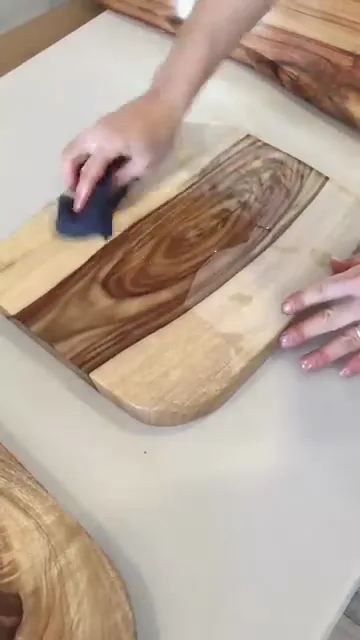
Haris is a student at Permanent Objects, a bespoke furniture studio in Bengaluru, Karnataka, and his brief from the studio was open: make something out of scrap. He chose marquetry and spent about a week turning thin offcut veneers into a palm-sized butterfly mounted on a small teak block. Ebony forms the black sections of the wings, maple the white spots, Canadian cedar the ochre tones, rosewood the body, and teak the base. The eyes, the legs and the coiled proboscis were cut and shaped the same way. Each piece locks into its neighbour by double bevel cutting. When the piece was done, he finished it in colourless LEINOS Interior Hardwax Oil 290, the same oil the studio uses on its own bespoke furniture. It adds no colour of its own; it brings forward the colour already present in each species.
The hard part, in Haris's words, was learning what the material would allow. Some species tore under the blade, and the cutting order came from trial and error before the pieces held. With double bevel cutting the angle of the blade does the fitting, so each cut piece sits into the next with barely a visible seam. On a piece like this the finish has almost nothing to do except stay out of the way: a colourless oil soaks into the veneer instead of sitting on it as a film, so the ebony reads black, the maple pale, and the cedar grain keeps its texture under the wing veins carved with a rotary tool. As Haris put it, "the colour and texture come straight from the material itself, no paint, no dye, nothing added."
Coating System
Products listed for reference. Suitability depends on your specific surface, climate, and condition.
Outcome
A three-dimensional marquetry butterfly in ebony, maple, Canadian cedar, rosewood and teak, made in about a week from studio offcuts and finished in a colourless hardwax oil that adds no colour of its own.
The butterfly reads as five timbers and nothing else: black ebony borders, pale maple spots, ochre cedar wings with carved veins, a dark rosewood body on a teak block. The colourless oil left the veneers open-pored, with no film over the seams, and each wood keeps its own colour.
Results vary by surface condition, climate exposure, application method, and ongoing maintenance.
Updated
In their words
Excellent work @_mugiwara_haris_ and your oil is used extensively on my bespoke furniture products @leinos.india. Love the finish at the end of the process. No harmful chemicals, easy on the applicator as well
More Projects
For Architects & Contractors
Send us the project context — surface, area, finish intent, timeline. Our specifier team replies with a system spec and pack mix.