Solutions
Premium Aesthetic Finish
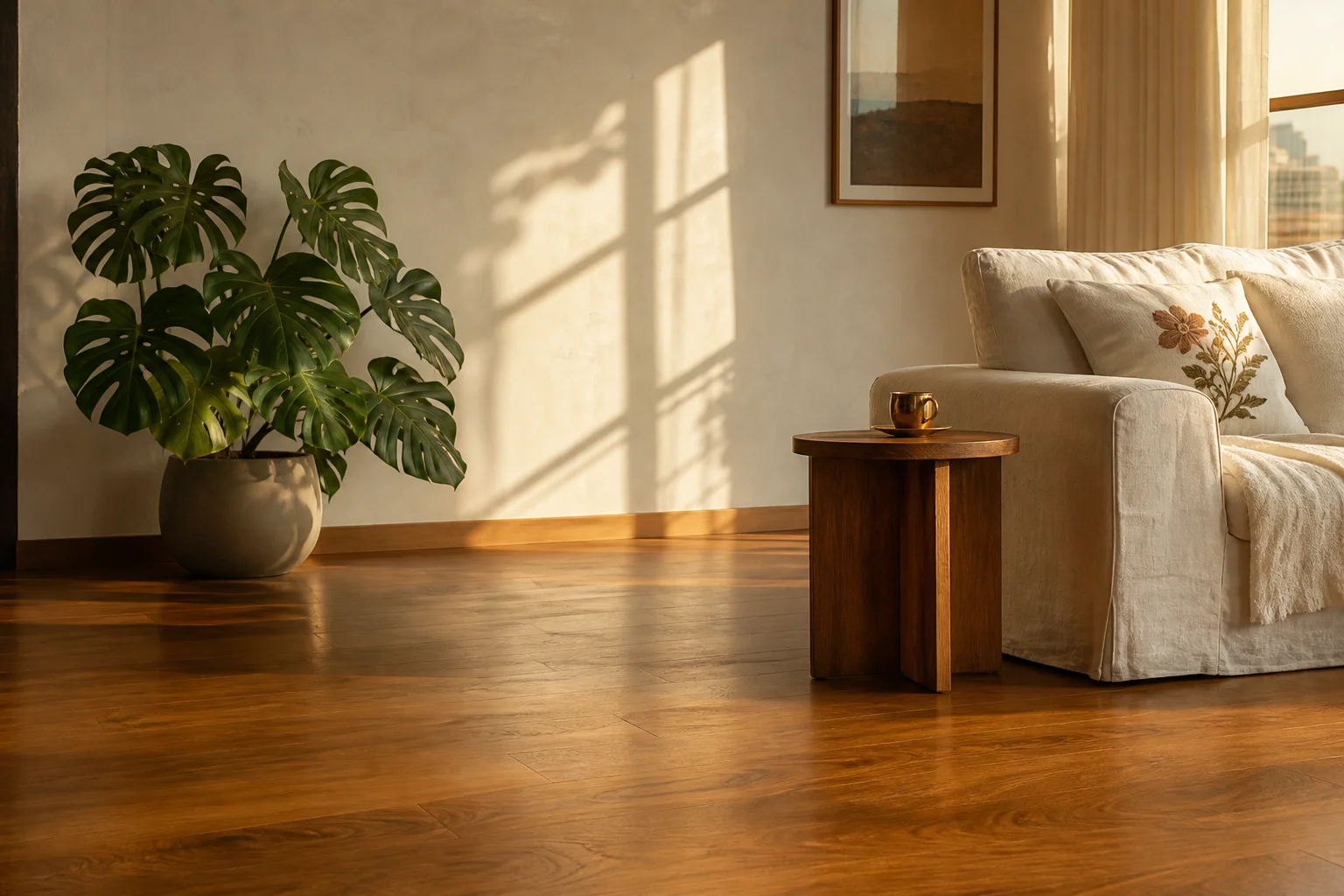
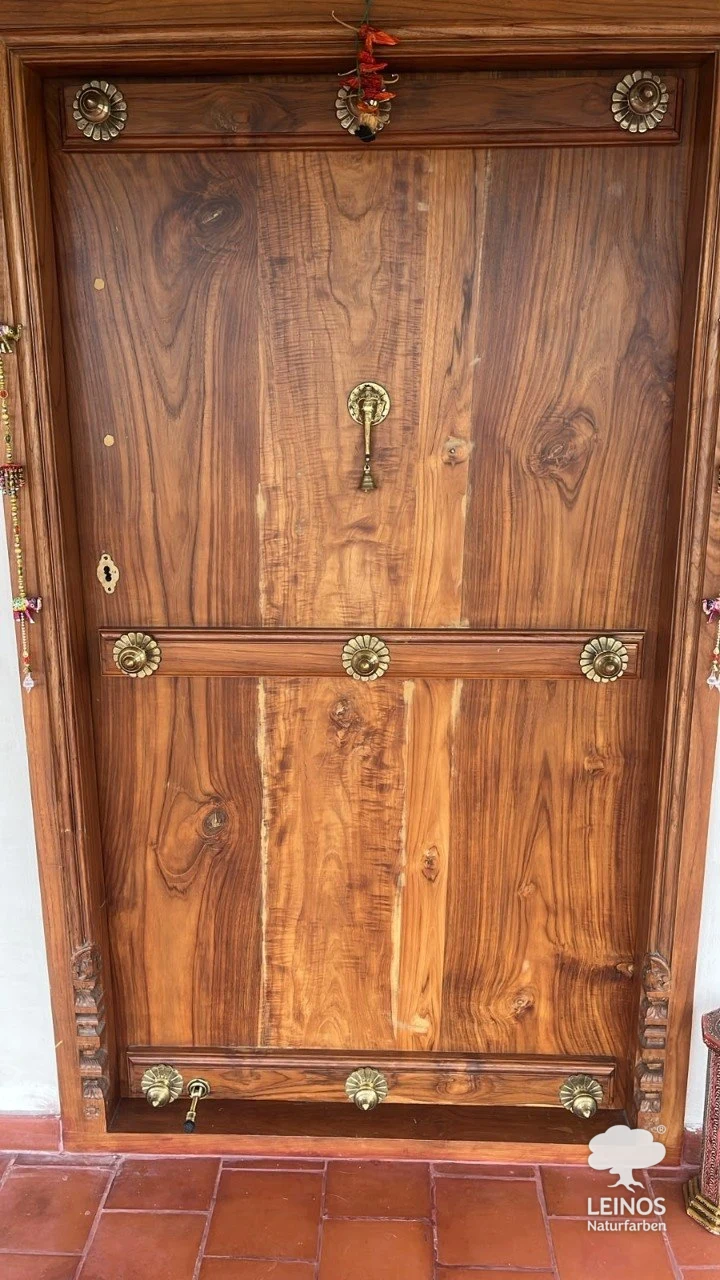
The grain you bought — visible through the finish, not hidden by it.
Who really feels this in India
- Premium homeowners in Mumbai, Bangalore, and Delhi who specified oak, walnut, or teak — and want the grain to read, not disappear under polyurethane.
- Interior designers in the Studio Lotus / Sona Reddy register — specifying matte breathable walls, hand-feel oils, no synthetic gloss.
- Architects designing high-end residential and boutique hospitality — needing a finish vocabulary that survives editorial photography and daily wear.
How LEINOS answers this
The LEINOS product system for this pain
Interior Hardwax Oil
Hardwax oil for durable protection and finishing of interior wooden surfaces.
View productWax Varnish
Water-based natural wax glaze for the decorative, tintable finishing of interior wood — ceilings, wall panelling, and furniture.
View productClay Paint
The decorative clay paint for premium interior walls — a solvent-free mineral matrix that stays water-vapour-permeable and supports the room’s humidity balance. Matt earth-tone register. Low VOC (1 g/l, EU Cat. a).
View productFinishing Lacquer
High-coverage, silk-gloss, weather-resistant cover lacquer for interior and exterior wood. Available in 10 colours, all mutually mixable.
View productAlso in this hub: Pigment Concentrate (668) · Interior White Paint (650) · Natural Resin Emulsion Paint (660)
Lab evidence
Documented, not claimed.
Independent labs, named standards, batch-traceable certificates.
Specifier questions
What architects and homeowners ask first.
What is the visual difference between a LEINOS hardwax oil and polyurethane on hardwood?
Polyurethane forms a plastic film on top of the wood — grain is buried under a glossy or semi-glossy sheet, hand-feel is plastic, and refresh requires full sanding when the film fails. LEINOS 290 cures inside the wood pores; the surface remains the wood itself — silk matte, warm to touch, with visible grain and ray-fleck. Refresh is a thin oil coat over a cleaned surface, no sanding.
Can I get a designer-grade matte white wall without the chalky, fragile look of distemper?
Yes — 650 interior white paint and 660 natural resin emulsion give a deep chalk-matte that holds up to wipe-down cleaning: both carry wet-scrub resistance Class 3 under the DIN EN 13300 interior-paint classification (per TDS). Tint on site with the 668 mineral pigment concentrate range for custom shades. The result reads as a finish, not a coating.
Is 290 hardwax oil durable enough for high-traffic residential hardwood floors in India?
Yes — 290 is tested for chemical resistance under DIN 68861 and specified for heavy-traffic residential and light-commercial floors. Maintain with 930 vegetable soap for regular cleaning and 920 floor milk after every few cleaning rounds; recoat high-traffic zones with a thin coat of 290 when the surface starts to look dry. No sanding required for refresh.