LEVEL I
Marketing-soft declaration.
A pigment family is named ("plant-based dyes"), a hero ingredient is highlighted ("with beeswax!"), the rest sits in a "proprietary blend." Common on premium-brand walls and on most cosmetic products.
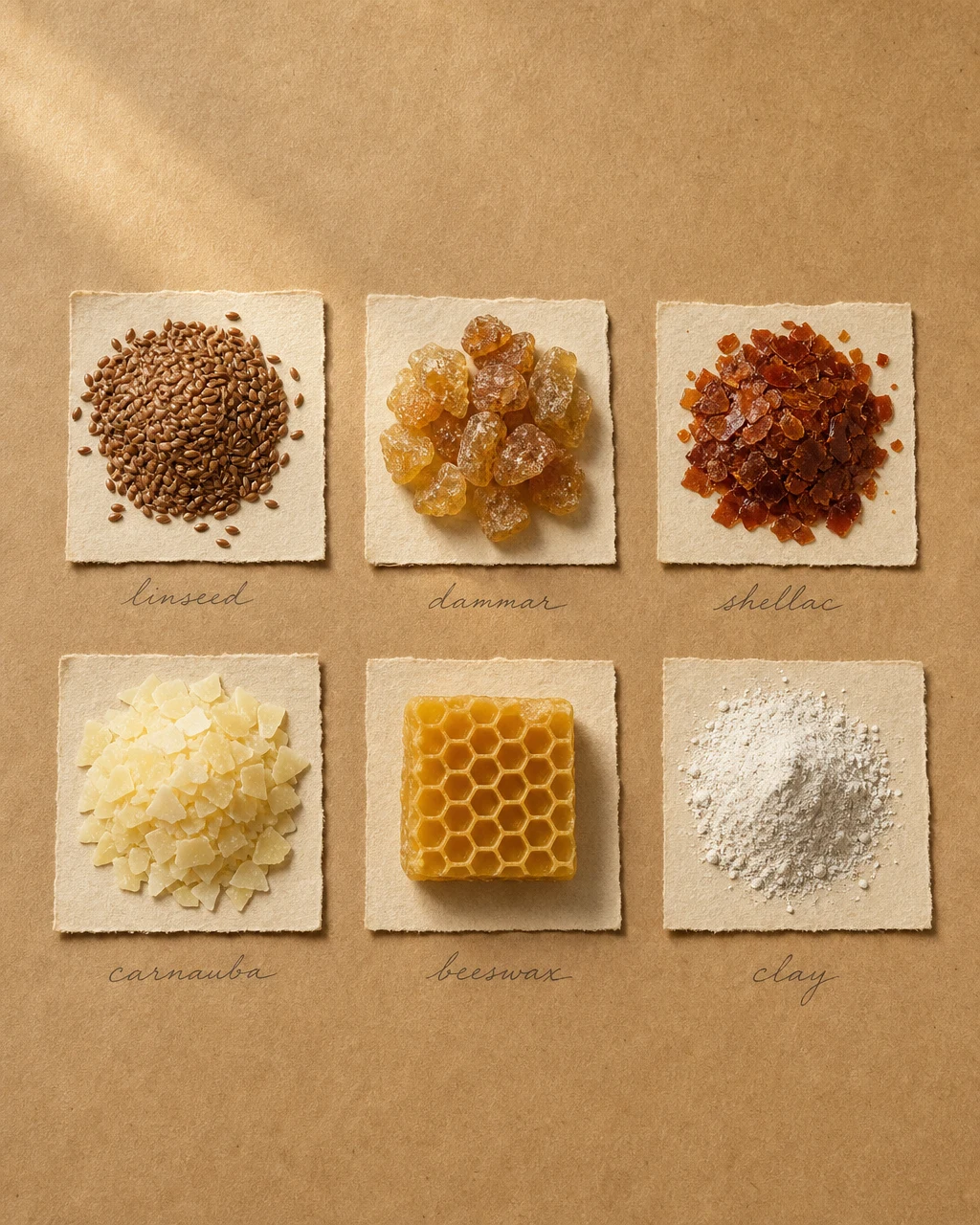
Six materials, three kingdoms, ten thousand years. Linseed oil, dammar, shellac, carnauba wax, beeswax, white clay. Plus the supporting chemistry an architect will find on the SDS but not on the front of the can. About 150 raw materials across the LEINOS catalogue — every one of them named, openly, under the InVeNa full-disclosure pledge. This is the recipe, with the site-safety canon that has to travel with it.
Definition · Disclosure
The word natural hides a range of disclosure practices. Most legal frameworks let the manufacturer redact ingredients as trade secret below a hazard cut-off. LEINOS publishes everything above and below it.
LEVEL I
A pigment family is named ("plant-based dyes"), a hero ingredient is highlighted ("with beeswax!"), the rest sits in a "proprietary blend." Common on premium-brand walls and on most cosmetic products.
LEVEL II
EU REACH + CLP require SDS Section 3 to list hazardous components above thresholds. US TSCA permits broad "Confidential Business Information" protection. OSHA HazCom 2012 permits Section 3 redactions as trade secret. India's BIS requires only the 90 ppm dry-film lead label.
LEVEL III
The manufacturer voluntarily lists ingredients below the legal cut-off — adding them to SDS Section 3 even when not required. Brouns & Co (UK) and Heron (US) follow this pattern as Anti-Greenwash Charter signatories.
LEVEL IV
Every ingredient — hazardous and non-hazardous, above and below legal cut-off, named with origin and function. Verified by independent institutions. Published on TDS and product page. This is the InVeNa pledge LEINOS signed in 1985.
Inventory · The six hero ingredients
Each ingredient links to its full editorial page — chemistry, sourcing, food-contact status, allergen profile, site-handling, peer-reviewed references.

Plant · 8001-26-1
Linum usitatissimum
Drying oil · oxidative polymerisation
Primary binder in every LEINOS wood-finish, primer and wax-oil product. The brand name LEINOS derives from Lein — German for flax.
Read full profile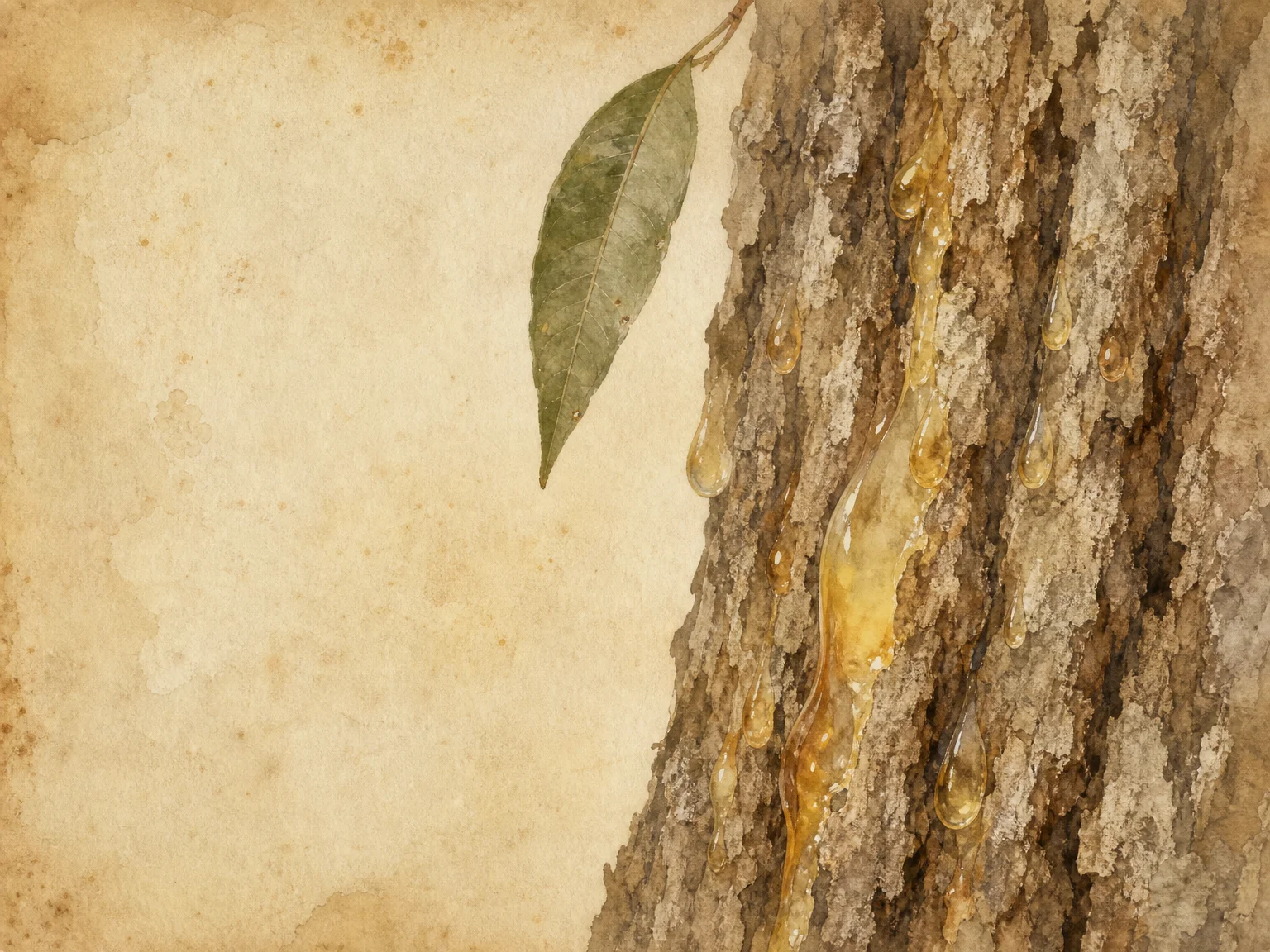
Plant · 9000-16-2
Shorea javanica
Triterpene resin · solvent-evaporative
Hardness and gloss-depth modifier in oil-resin varnishes. Tapped non-destructively from Indonesian dipterocarp agroforests (Krui repong damar, Sumatra).
Read full profile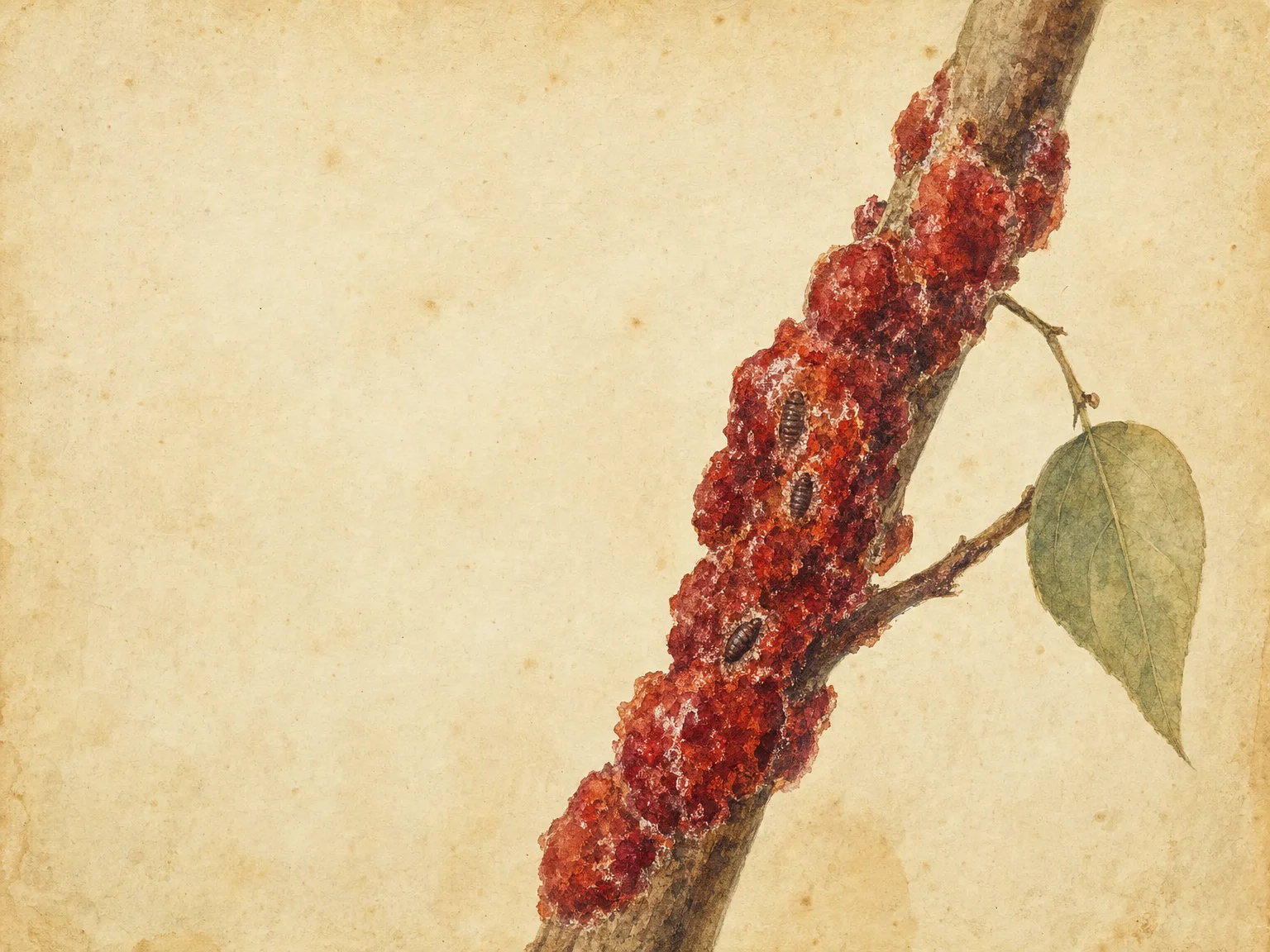
Insect · 9000-59-3
Kerria lacca
Insect-secreted polyester · pure solvent evaporation
Knot-sealer and tannin-blocker barrier coat below oil topcoats. India produces ≥50 % of world supply — Jharkhand, Chhattisgarh, MP, Odisha.
Read full profile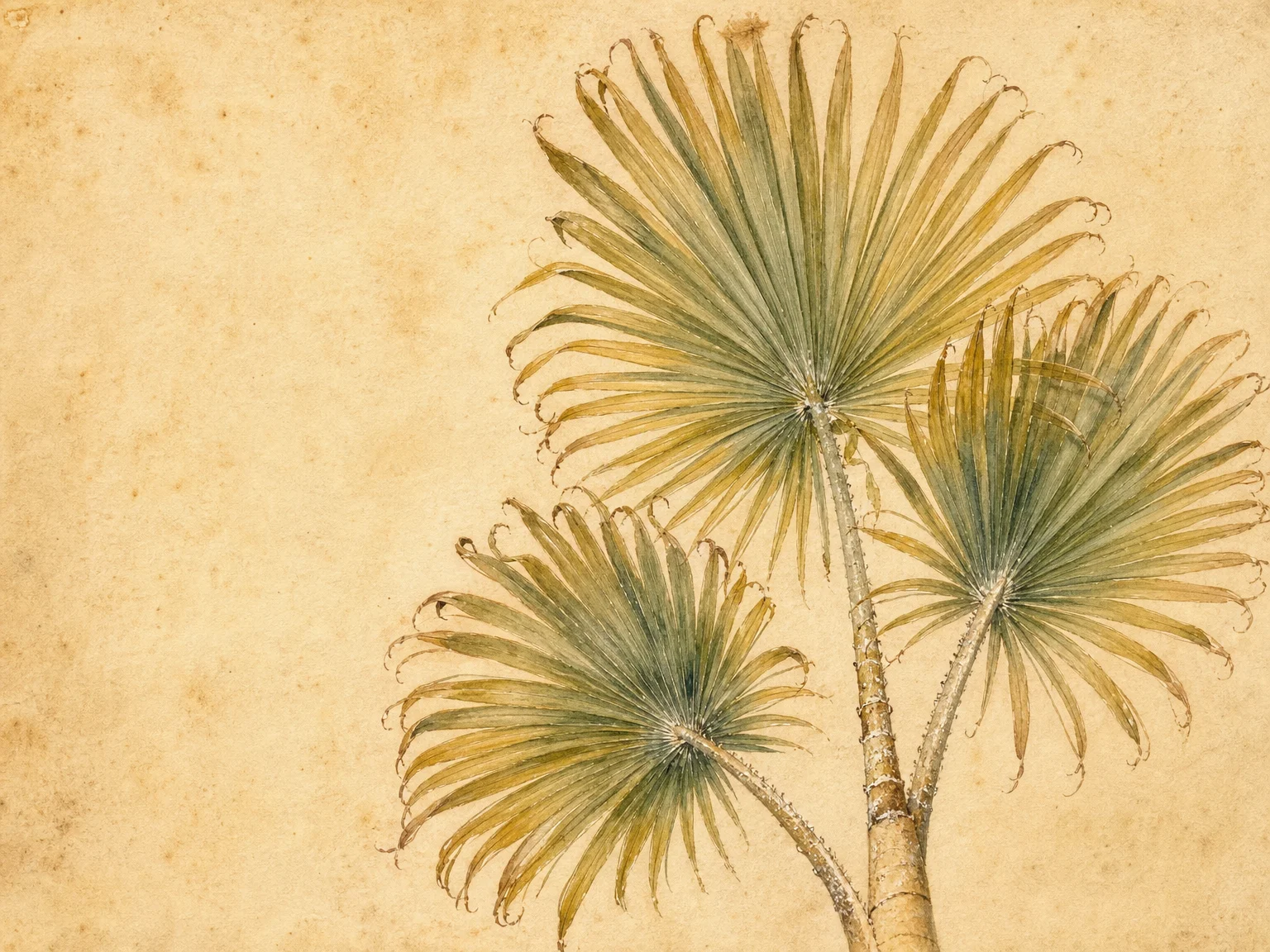
Plant · 8015-86-9
Copernicia prunifera
Plant ester wax · hardest natural wax (84 °C)
Topcoat wear-layer in all hardwax oils. Tree of life of the Brazilian Northeast — Piauí + Ceará account for ~96 % of national wax production.
Read full profile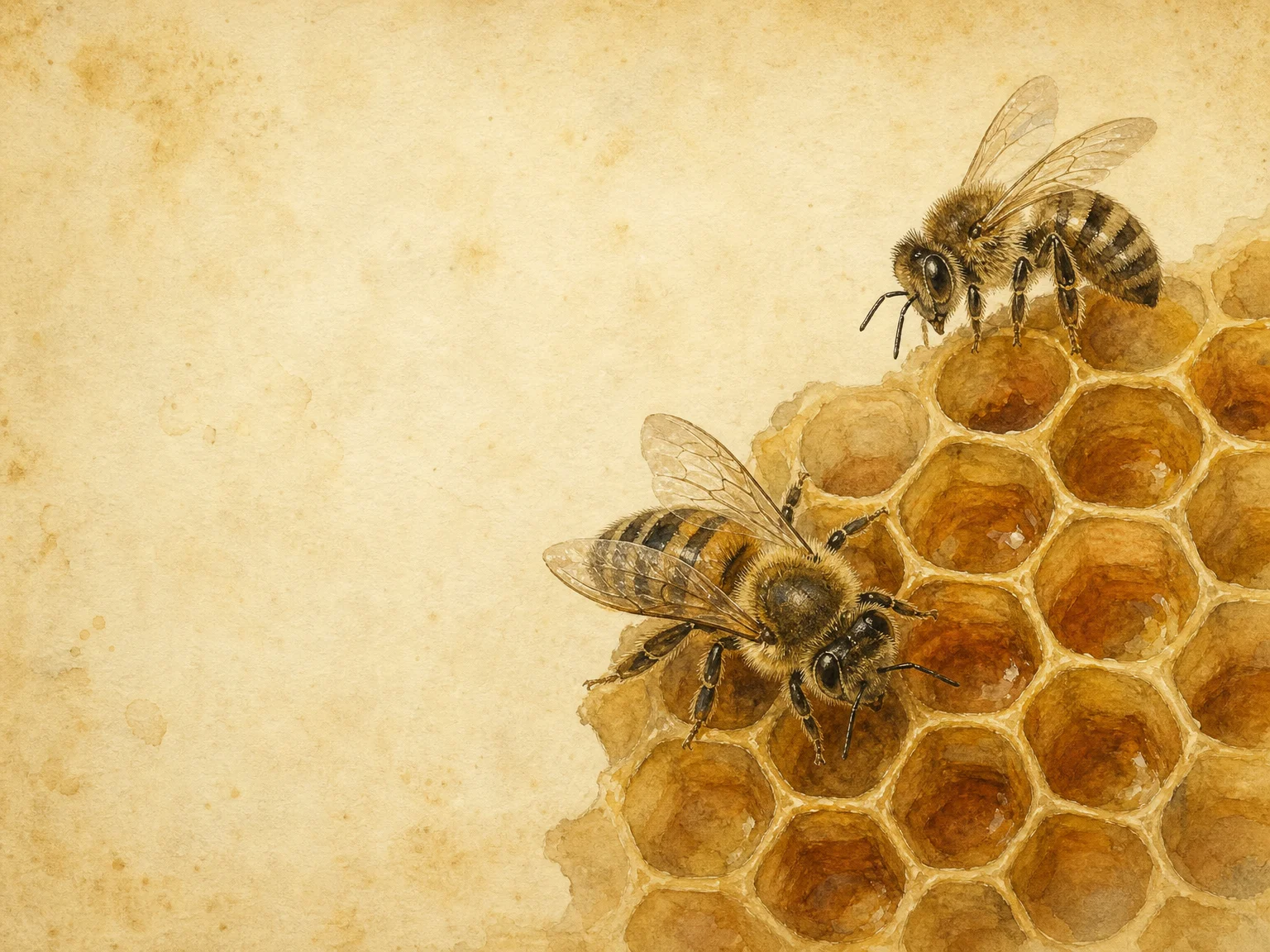
Animal · 8012-89-3
Apis mellifera
Insect-secreted ester wax · 62-65 °C
Soft-wax counterpart to carnauba — plasticisation, breathability, silk-matt sheen, buffability. India is the world's largest beeswax producer (FAOSTAT).
Read full profile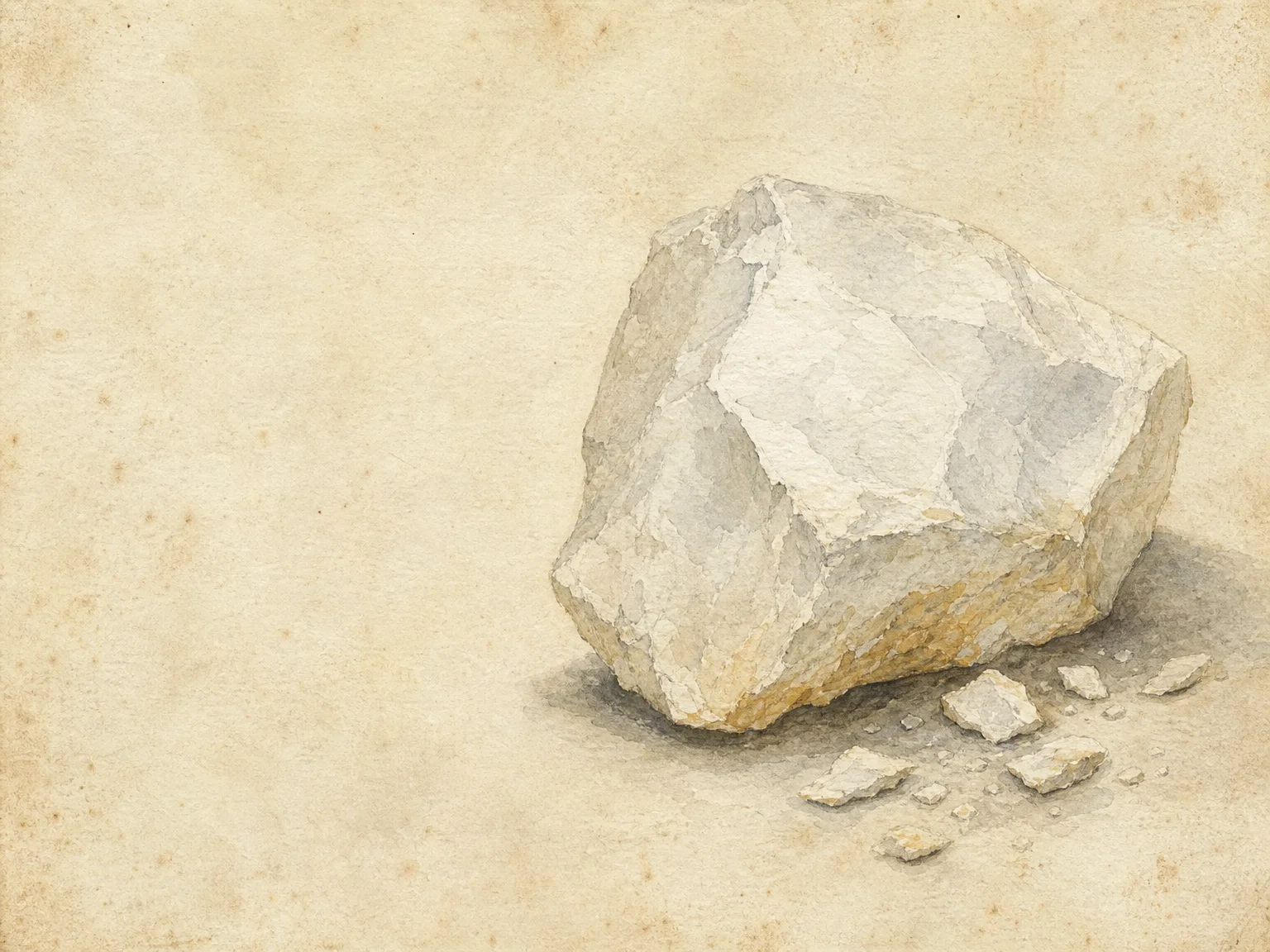
Mineral · 1332-58-7
Kaolinite
Phyllosilicate · inert filler / opacifier
Filler / opacifier / breathable extender in Clay Paint 670 and lime / silicate wall systems. Kerala hosts world-class 96 % kaolinite-grade deposits.
Read full profileSupporting chemistry · TDS-grade disclosure
The six ingredients above are the customer-facing recipe. These chemicals appear on Technical Data Sheets and Safety Data Sheets — disclosed openly per the InVeNa pledge rather than hidden behind the EU REACH below-cutoff exemption.
Role —Paired with linseed in exterior oil-resin chemistry (236, 223) for faster cure and harder film.
Honest disclosure —Vernicia fordii seed oil. >95 % supply China-grown. Conjugated triene drying oil — α-eleostearic acid ~82 %.
Role —Cross-links the oil-wax matrix in exterior wood oils. Raises softening point, reduces yellowing.
Honest disclosure —Pinus spp. resin esterified with glycerol or pentaerythritol. Unmodified colophony is a documented contact allergen (EU CLP Skin Sens. 1 H317 ≥ 1 %); esterification substantially reduces allergenicity.
Role —Co-binder in Stone & Concrete Oil 254 — ricinoleic acid hydroxyl group provides polar adhesion to mineral substrates.
Honest disclosure —Ricinus communis seed oil. India produces ~80 % of world castor seed. No major hazard flag.
Role —Solvent carrier — dissolves oil and resins for application. Evaporates fully on cure.
Honest disclosure —Dearomatised isoparaffin (>99 % iso-alkane, near-zero aromatic content). Petroleum-derived alkylation feedstock unless explicitly bio-sourced. Lower toxicity and odour than traditional white spirit.
Role —Sapstain protection in exterior wood oils only (Terrace Wood Oil 236). Blocks blue-stain fungi.
Honest disclosure —3-iodo-2-propynyl butylcarbamate. EU Biocidal Products Regulation 528/2012 approved active. NOT used in interior products. Disclosed in marketing register as "sapstain protection"; full identity in SDS Section 3.
Role —Catalyse peroxide decomposition during oxidative cure. Without driers, linseed cures over days; with driers, 12-48 hours.
Honest disclosure —European coatings industry has been progressively replacing cobalt 2-ethylhexanoate (CAS 136-52-7, EU CLP Repr. 1B H360FD) with iron-bispidon and manganese complexes since 2015 per the 2017 ECHA harmonised classification. Cobalt-free should be the default for any transparent natural-paint brand.
Role —Pigments for tinted wood stains, clay paints, lime paints. Chemically inert across pH range, lime-compatible.
Honest disclosure —Red iron oxide CI 77491 / yellow CI 77492 / black CI 77499. Natural variants: ochre, sienna, umber. One of the safest pigment classes in commercial trade.
Method · The recipe in detail
Deep Dive · 4.1
What it is
Triglyceride drying oil cold-pressed from flax seed (Linum usitatissimum). Three unsaturated fatty-acid chains — α-linolenic C18:3 (≈53 %), linoleic C18:2 (≈17 %), oleic C18:1 (≈20 %) — esterified to glycerol. Highest iodine value of any commodity oil (170-204). The high concentration of bis-allylic methylene groups between consecutive C=C double bonds is the chemistry the film-formation mechanism depends on.
Cure mechanism
Atmospheric O₂ abstracts the bis-allylic C–H bonds to give carbon-centred radicals; oxygen adds to form peroxyl radicals; the peroxyl species abstracts another bis-allylic hydrogen to yield a hydroperoxide and propagate the chain — the classic radical autoxidation RH + O₂ → ROOH. Hydroperoxides decompose into alkoxyl and hydroxyl radicals; termination by coupling forms the cross-links that knit the originally liquid oil into a 3-D polymer network (linoxyn). Trace metallic driers catalyse the reaction without entering the polymer themselves.
Substrate behaviour
Liquid and low-viscosity — drawn into the lumens and pit apertures of wood; reacts in situ with cell-wall hydroxyl groups in the lignin/cellulose matrix (epoxidised linseed oil studies confirm covalent grafting to wood –OH by FTIR). The cured polymer is mechanically interlocked with the substrate rather than bonded as a film — abrasion exposes oil-saturated fibre, not bare wood, and a fresh coat re-wets the existing polymer and re-cross-links into it. Refinishable in place; no stripping required.
India connection
India produced ~113 000 t of linseed in FY2024 — concentrated in Madhya Pradesh (leading state), Chhattisgarh, UP, Maharashtra, Bihar, Jharkhand. The chemistry is genuinely native to the soil. LEINOS sources cold-pressed paint-binder grade from European processors; the agronomy is rotational, soil-rebuilding, ~110-day cycle, low water footprint.
Deep Dive · 4.2
Carnauba — the hardest natural wax
Plant-derived ester wax secreted on the underside of Copernicia prunifera palm fronds during the dry season. Aliphatic/aromatic esters ~84 %; chain lengths C44-C66; average ester ~C50, MW ~728. Long, regular ester backbone drives extreme hardness: melting 80-86 °C (JECFA range); DSC mean 84.05 ± 1.34 °C — the hardest natural wax in continuous commercial trade. Indian-climate margin is comfortable: Delhi summer worktop ≤ 45 °C, Rajasthan terrace ≤ 55 °C. No softening, no migration, no surface bloom.
Beeswax — the oldest paint medium
Secreted by worker honey bees from eight sternal wax glands. INCI Cera Alba (white) or Cera Flava (yellow). Average ester C44; melting 62-65 °C (Tulloch & Hoffman 1972 mean 64.3 °C across 80 Canadian samples). The Fayum mummy portraits of Roman Egypt (100-300 CE) are encaustic on cedar — beeswax-bound; their luminosity has survived two millennia, the longest-running demonstration of a wax-bound paint film.
Why both, not just one
Carnauba is the wear layer — it takes abrasion before the linseed-oil binder is touched. Beeswax is the plasticiser — it gives buffability, breathability, and silk-matt sheen. The chain-length difference (C40 / 64 °C beeswax vs C50 / 84 °C carnauba) is what makes them complementary rather than substitutable. A LEINOS hardwax oil (290 Interior Hardwax Oil) uses both, in proportion, on a linseed-oil base.
Supply chain — honest flags
Beeswax is animal-origin — not vegan; under strict ahimsa reading not Jain-compliant. Carnauba supply has documented labour-rights issues (114 workers rescued in 2023 per Brazilian Ministry of Labour) — the Initiative for Responsible Carnauba (UEBT, 2018) provides traceability for compliant supply. Both flags belong in the conversation rather than on the back of the can.
Deep Dive · 4.3
Dammar — solvent-evaporative + slow photo-oxidation
Triterpene tree resin tapped non-destructively from Indonesian Dipterocarpaceae (Shorea javanica dominant; also Hopea, Vatica, Anisoptera). Chemically a mixture of tetracyclic dammarane-skeleton compounds plus a polymeric β-resene fraction. Soluble in non-polar hydrocarbons; softening ~90 °C, melt ~120 °C. Slow photo-oxidation proceeds in the dried film over years to decades — yellowing and embrittlement, but films remain reversible in polar solvents. Used in LEINOS oil-resin varnishes (Premium Wood Varnish 260) as hardness/gloss modifier.
Shellac — pure solvent evaporation, fully reversible
Insect-secreted polyester. Kerria lacca refines aleuritic acid (9,10,16-trihydroxyhexadecanoic acid, ~35 % of resin) esterified with jalaric, shellolic, laksholic, butolic acids. Dissolved in denatured ethanol; alcohol carrier evaporates; polyester chains coalesce into thin glossy film. NO oxidative polymerisation. NO atmospheric oxygen consumed. Because the cured film is the same polyester that was dissolved, fresh ethanol re-dissolves it indefinitely — shellac is fully reversible, the historic conservator's choice for French polish.
The Indian story
Shellac is the most Indian ingredient in the LEINOS recipe. India produces ~20 000 t of raw lac annually — at least half of global output, historically up to 90 % during WWI peak. Heartland: Jharkhand (39 % of national production), Chhattisgarh (30 %), Madhya Pradesh, Odisha, West Bengal. Host trees: kusum (Schleichera oleosa), palash (Butea monosperma), ber (Ziziphus mauritiana). ~4-6 million tribal-majority households across central / eastern India farm lac as cash crop. ICAR-IINRG (Indian Institute of Natural Resins and Gums) in Ranchi — founded 1924 as Indian Lac Research Institute — is the public-sector research body. The Sanskrit lākṣā gave Hindi lakh and English lac — literally one hundred thousand, the swarming density of crawlers on a branch.
Food contact and vegan status
Shellac is US-FDA GRAS (21 CFR 73.1 + 21 CFR 175.300, 175.380, 175.390); EU food additive E 904 at quantum satis in 11 food categories (Commission Reg. 231/2012). EFSA 2024 derived numerical ADI 4 mg/kg bw/day on NOAEL 400 mg/kg bw/day from two-generation reproductive study. Both shellac and beeswax are animal-origin — not vegan; under strict ahimsa reading not Jain-compliant. Buyers requiring vegan or Jain finish should specify the oil-resin family (236, 223) instead of oil-wax (290, 280).
Deep Dive · 4.4
What it is
Phyllosilicate clay mineral with the structural formula Al₂Si₂O₅(OH)₄. 1:1 TO dioctahedral layer silicate; the simplest clay structure in the family. Pseudo-hexagonal platelets 0.5-2 µm; T-O sheet held by hydrogen bonds between basal hydroxyls and basal oxygens. Heat above 550-600 °C converts kaolinite to metakaolin (amorphous, pozzolanic — reacts with Ca(OH)₂ to form C-S-H).
Why it works as a paint filler
Not a film-former. Inert filler, opacifier, body-giver in a binder matrix. Platelets pack flat at the film surface, refract visible light (covering power), and remain vapour-open: s_d 0.02-0.05 m vs ~1 m for acrylic exterior paint — two orders of magnitude more permeable. Critical for breathable wall systems in humid-coastal Indian interiors (Mumbai, Chennai, Kerala) where vapour trapping at the coating-substrate interface causes mould, salt efflorescence, and render delamination.
Kaolinite is not crystalline silica
Important specifier-grade distinction. Kaolinite is a hydrated aluminosilicate sheet mineral, not free quartz. Not on the IARC silicosis-causing list. Some deposits geologically co-occur with quartz, so refined kaolin is graded for residual crystalline silica content; >1 % crystalline silica triggers quartz-dust rules. OSHA PEL 15 mg/m³ total dust, 5 mg/m³ respirable for kaolin (<1 % crystalline silica).
Indian supply and the name
Kerala (Trivandrum + Kollam) hosts world-class 96 % kaolinite-grade deposits per Kerala DMG. India accounts for ~19 % of world kaolin production (USGS Minerals Yearbook 2023). The chemistry is genuinely native to the soil. The mineral took its name from a Chinese hill — Gaoling (高岭, "high ridge"), Jingdezhen, Jiangxi, ca. 7th c. CE — rendered into French as kaolin by Père d'Entrecolles in 1727. The single mineral vote in a recipe of oils, waxes and resins; the natural-stone counterpart in a system otherwise grown in fields and forests.
Deep Dive · 4.5
Why disclose what the marketing register hides
The six hero ingredients are the customer-facing recipe. The Technical Data Sheet and Safety Data Sheet contain a handful more — tung oil, natural resin ester (rosin), castor oil, isoaliphatic carrier, IPBC sapstain biocide, metallic driers, earth pigments. EU REACH + CLP do not require these to appear on a label below classification thresholds; the InVeNa pledge does. LEINOS publishes them anyway.
Honest disclosure on three chemicals worth naming
IPBC (3-iodo-2-propynyl butylcarbamate, CAS 55406-53-6) is the sapstain biocide in Terrace Wood Oil 236 — blocks blue-stain fungi on exposed exterior wood. EU Biocidal Products Regulation 528/2012 approved active. NOT used in any LEINOS interior product. The isoaliphatic carrier is dearomatised isoparaffin (>99 % iso-alkane purity, near-zero aromatics) — lower toxicity and odour than traditional white spirit; honestly described as petroleum-derived alkylation feedstock unless explicitly bio-sourced. Natural Resin Ester is pine rosin esterified with glycerol or pentaerythritol — unmodified colophony is a documented contact allergen (EU CLP Skin Sens. 1, H317 at ≥ 1 %), and esterification substantially reduces but does not eliminate the sensitisation risk for already-sensitised individuals.
The cobalt-drier transition
Cobalt 2-ethylhexanoate (CAS 136-52-7) has been the dominant primary drier in linseed-oil paints since the 1950s. The ECHA harmonised classification adopted in 2017 reclassified cobalt salts as Repr. 1B (H360F) — may damage fertility, suspected of damaging the unborn child. The classification applies to the liquid drier as raw material, not the cured paint film at <0.01 % residual. The European coatings industry has been progressively substituting cobalt with iron-bispidon (HPC, High-Performance Catalysts) and manganese complexes since 2015 — iron-bispidon outperforms cobalt at 100× lower loading. AURO Worktop Oil No.108 TDS already declares "drying agents (cobalt-free)" verbatim. Any architect specifying a transparent natural-paint brand should ask for SDS Section 3 + Section 15 drier identity.
About ~150 raw materials, named
Across the LEINOS catalogue, roughly 150 raw materials appear and reappear. A mainstream architectural-paint formulation typically runs to 400-800 distinct substances — coalescents, biocides, surfactants, defoamers, rheology modifiers, dispersants, multiple pigments and extenders, polymer raw materials, process aids. LEINOS's 150 is five to six times smaller — and every one is named. Trade-secret protection exists, in regulation, to let manufacturers withhold what is inconvenient to publish. A natural-paint manufacturer cannot afford that convenience — because what is in the can is the proof of the brand.
Safety · Natural is not the same as inert.
Treat the rag,
respect the rest.
The hazard list is finite
A LEINOS coating dries to one of the most benign films you can put on a wall in India. During application and the first 24-72 hours of cure it behaves the way nature designed it to: it reacts. The honest hazard list is short and well-bounded — drying-oil spontaneous combustion in oil-soaked rags; an aldehyde release window during oxidative cure; wood dust during sanding (IARC Group 1); the caustic pH of limewash and silicate paints. Each gets PPE and process, not panic.
Indian Context · NBC, monsoon, summer
NBC 2016 Part 4 (Fire & Life Safety) does not currently prescribe specific oily-rag handling on construction sites — Indian fire services reference NBC without adding rag-specific guidance. Indian summer ambient (30-40 °C pre-monsoon) accelerates the autoxidation reaction, so the rag-fire ignition window is shorter than in Northern Europe. Active monsoon humidity (75-90 % RH, Jul-Sep) disrupts oxidative cure and elevates mould risk for natural-oil systems on exteriors — post-monsoon (Oct-Feb) is the canonical Indian painting season for oils. Lime and silicate systems are monsoon-tolerant — they cure via carbonation / silicate reaction that benefits from ambient moisture.
Hazard · Drying-Oil Fire
Linseed oil cures by exothermic autoxidation. In a thin film on wood, heat dissipates to ambient. In a wadded oil-soaked cotton rag, heat is trapped — the pile self-heats past its ignition point within 6 to 24 hours. The 1991 One Meridian Plaza fire in Philadelphia (three firefighters killed) started this way. Every rag — every cloth, fleece, pad, applicator that touched oil — must be immersed in a water-filled metal container with a tight lid, OR spread flat on concrete in the open air until cured. Never bagged. Never piled. Never indoors. Indian summer (30-40 °C ambient) accelerates the reaction — the hazard is greater here than in Northern Europe.
Content vs Emissions
VOC content (g/L of formulation) and VOC emissions (µg/m³ in chamber air) measure different things. EU Decopaint Article 2(6) explicitly excludes linseed oil from VOC content because the oil oxidatively cross-links into the coating rather than evaporating. But linseed-oil films emit a measurable burst of short-chain aldehydes (hexanal, pentanal, propanal) for several days post-application. A 28-day chamber-emission certificate (AgBB / Blue Angel RAL-UZ 102 / EU Ecolabel / GREENGUARD Gold) is the stronger evidence for occupant air quality. Maintain cross-ventilation during application and for 48-72 hours after the final coat. India does not yet have an AgBB-equivalent chamber-emission scheme; specifiers rely on the EU/German trails.
Wood Dust + Caustic Mineral Paints
Wood dust during prep is an IARC Group 1 carcinogen (1995 monograph, 2012 reaffirmation; sufficient evidence for sino-nasal adenocarcinoma; hardwoods carry the strongest evidence). P2 / FFP2 dust mask mandatory during sanding; local exhaust ventilation where the surface allows. Limewash and silicate paints are caustic at pH 12-13 (EU CLP H315 skin irritation, H318 serious eye damage, H335 respiratory irritation) — nitrile gloves, tight-fitting goggles, full-skin coverage, eyewash on-site. No contact lenses during application. The wood-finish family (linseed-oil paints, hardwax oils) does not need respiratory PPE; the mineral family does.
Pledge · Why we publish everything
A mainstream architectural paint formulation runs to 400-800 distinct substances — coalescents, biocides, surfactants, defoamers, rheology modifiers, dispersants, multiple pigments and extenders, polymer raw materials, process aids. Most of them never appear on the label because EU REACH, US TSCA, OSHA HazCom and India’s BIS framework permit trade-secret redaction below classification thresholds. LEINOS does not use that legal right. Since 1985, Reincke Naturfarben has been a member of the InVeNa full-disclosure pledge — a voluntary alliance of natural-building-product manufacturers (Beeck’sche, BIOFA, Kreidezeit, HAGA, ÖkoPlus, Sehestedter, and 15 others) whose members commit, in writing, to publish every ingredient of every product, verified by independent institutions, on technical data sheets that are public.
“Gläserne Produktrezepturen.” Recipes made of glass.
Full-Declaration Pledge
Reincke Naturfarben member since 1985. Voluntary full ingredient disclosure of every product, verified by independent institutions.
EU Chemical Law
Below-cutoff ingredients are legally redactable as trade secret — LEINOS does not use that right.
Food-Contact Verification
DAkkS-accredited food-contact migration testing. Cert valid through 29 July 2026.
Indian Lac Research
Indian Institute of Natural Resins and Gums, Ranchi — founded 1924 as Indian Lac Research Institute.
Origin
Formulated and manufactured by Reincke Naturfarben GmbH in Horneburg since 1985.
Got Questions?
Quick answers on formulation, application and Indian-climate suitability. Pulled from our full FAQ and TDS library.
Full ingredient declarations, TDS, SDS, drier and biocide identity per product — sent on request to architects, contractors and specifiers.
Written by the LEINOS India technical team, in collaboration with
Reincke Naturfarben R&D, Lower Saxony.
Last updated