

1L
Covers
160–215 sq ft
1 coat, absorbent mineral
Best For
Spot-priming repairs, sample area, small accent wall.
SILICATE PRIMER · ART. 621
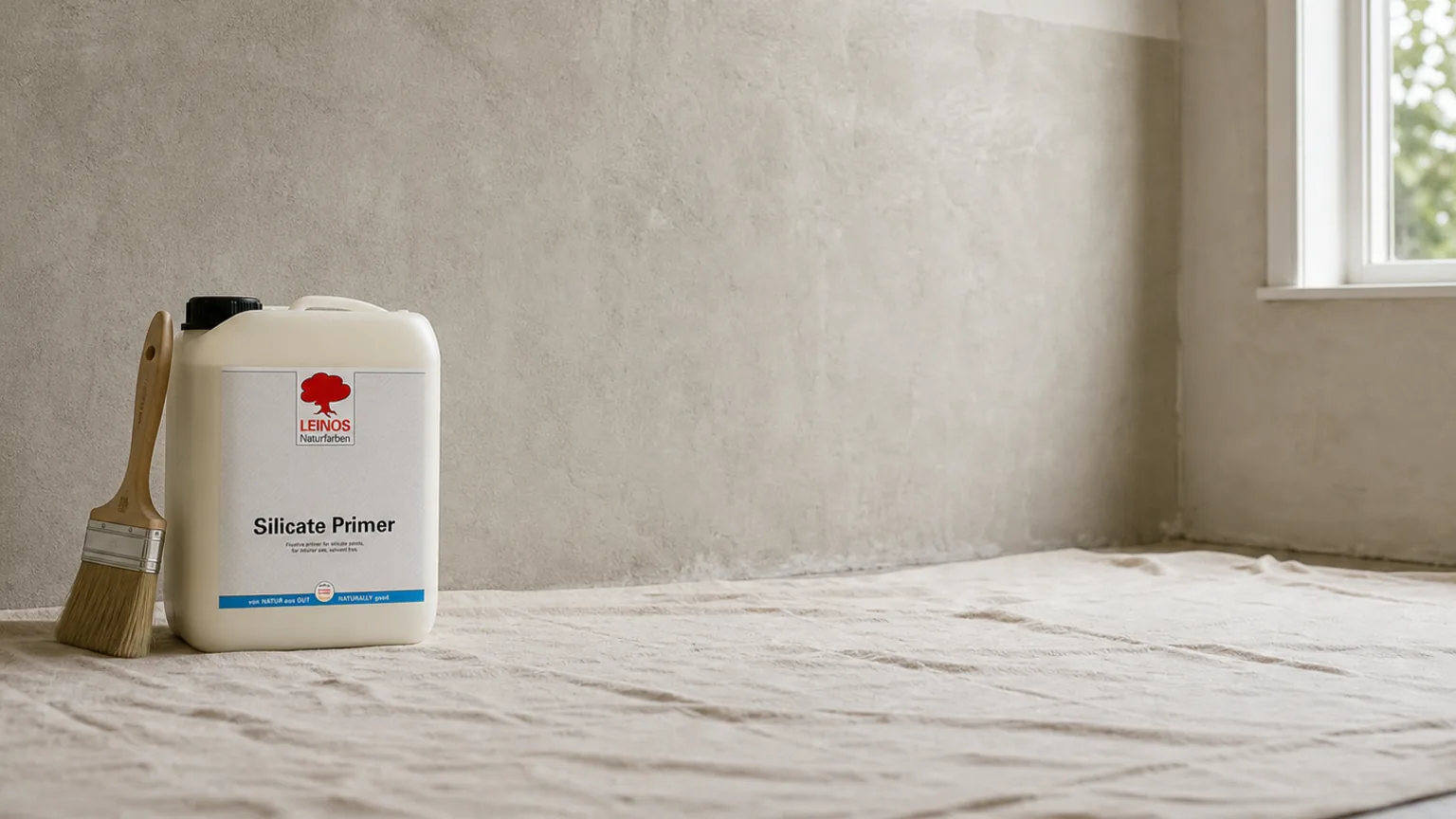
LEINOS 621 — a colourless potassium-silicate fixative primer for absorbent interior mineral walls. Binds chalking and sanding surfaces, evens patchy and repaired absorbency, and stays vapour-permeable. The dedicated primer under LEINOS Silicate Paint 690 on raw plaster, gypsum plaster, and gypsum board.
Mechanism & Use
Potassium silicate binder silicifies with the mineral wall — fixes chalking and sanding surfaces and evens absorbency without sealing the wall. Colourless, so it primes without whitening. The silicate topcoat lays down uniformly.
Potassium silicate (water-glass) reacts chemically with the silicates already in the lime plaster, cement, or gypsum — silicification. On a chalking or sanding surface this binds the loose mineral dust insolubly into the wall’s own matrix, so the topcoat has a sound, firmly-bound substrate to grip. This is chemical bonding, not a film sitting on top.
Variable suction across a plastered wall — raw plaster next to filler repairs next to over-trowelled patches — is what makes silicate and lime topcoats read blotchy. 621 normalises absorption: it soaks deeper into the thirstier zones and less into the firmer ones, leaving a single uniform absorbency canvas so LEINOS Silicate Paint 690 lays down at consistent thickness and colour reads evenly.
The cured silicate primer stays open-pore — water vapour passes freely, which matters under monsoon humidity behind plaster. Its alkaline surface (pH approx. 11) plus silicification leave mould, algae, and fungi no organic food source — the mould resistance is the chemistry of the coat itself, not a leaching biocide additive.
Unlike the whitish-pigmented sister primer 622, 621 dries colourless. It fixes and evens a heritage lime finish without lightening it, and the same clear silicate can be thinned 1:3 to 1:5 with water and tinted with 668 Pigment Concentrate to lay translucent silicate glazes (lasur) over a cured 690 wall.
Where It Lives
Raw plaster + gypsum before Silicate Paint 690
The core job. Raw lime and cement plaster, gypsum plaster, and gypsum board are always primed with 621 before LEINOS Silicate Paint 690 — it fixes the surface, evens absorbency, and gives the silicate paint a sound mineral substrate to silicify into. On smooth substrates it leaves a slightly grainy texture, which is expected.
Chalking + sanding absorbent mineral walls
Old lime-plastered havelis and weathered mineral walls that powder or sand under the hand. As a fixative primer 621 binds the loose mineral dust insolubly into the wall — turning a friable surface into a sound, firmly-bound canvas for a mineral topcoat.
Evening patchy + repaired plaster
Restoration and touch-up work where filler repairs and mixed-age plaster create uneven suction. Spot-priming those zones with 621 levels the absorbency so the silicate or lime topcoat lays down uniformly and colour reads flat, with no patch-mapping.
Translucent silicate glazes (lasur)
Designer feature walls in Mumbai, Bangalore, and Delhi interiors. Thinned 1:3 to 1:5 with water and tinted with alkali-resistant 668 Pigment Concentrate, 621 becomes a translucent silicate glaze over a cured 690 wall — layered, light-catching mineral depth a flat opaque coat cannot produce.
Heritage lime interiors — clear, non-whitening prep
Rajasthani, Delhi, and Lucknow heritage residences where the original lime finish or raw mineral texture should stay visible. Because 621 dries colourless it fixes and evens the wall invisibly — where a visible white prep coat is wanted instead, the whitish sister primer 622 is used.
Wellness studios, ayurvedic spas, yoga shalas
Health-led interiors where solvent-free, breathable, biocide-free mineral coatings are part of the air-quality story. 621 keeps the wall vapour-open under the silicate topcoat — no plastic film, no leaching biocide between occupant and substrate.
Compliance · Natural Ingredients · EU
Three anchors that let architects specify 621 across heritage lime and modern silicate wall systems without disclaimers.
EU Compliance
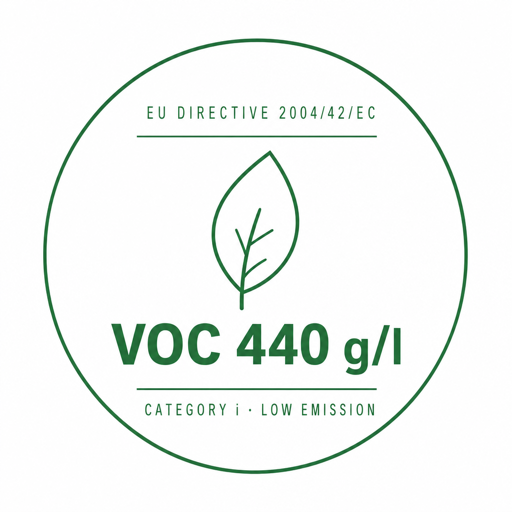
EU limit 30 g/l · Cat. a interior matt walls (water-borne) · Directive 2004/42/EC.
Institutional Pledge
Reincke Naturfarben — full-ingredient-disclosure pledge for natural building products.
The TDS is downloadable below. Where you need a written specification packet — full ingredient declaration, VOC compliance letter for an architect’s submittal, or a silicate-system compatibility statement for a heritage-conservation project — it is available to architects and contractors on request. The safety data sheet is supplied on request. Use Get Expert Advice above.
Read The Full TDSStep by Step
Substrate preparation — the wall must be dry, sound, absorbent, clean, and free from dust and loose material. Sweep, vacuum, and damp-wipe the surface. Fill cracks and repair defects with a mineral filler (LEINOS 684 interior smoothing filler) and let them dry per the filler’s TDS. Loose or flaking old coatings must be scrubbed back to a sound, absorbent mineral substrate — 621 fixes chalking and sanding surfaces, but cannot bond to a delaminating layer.
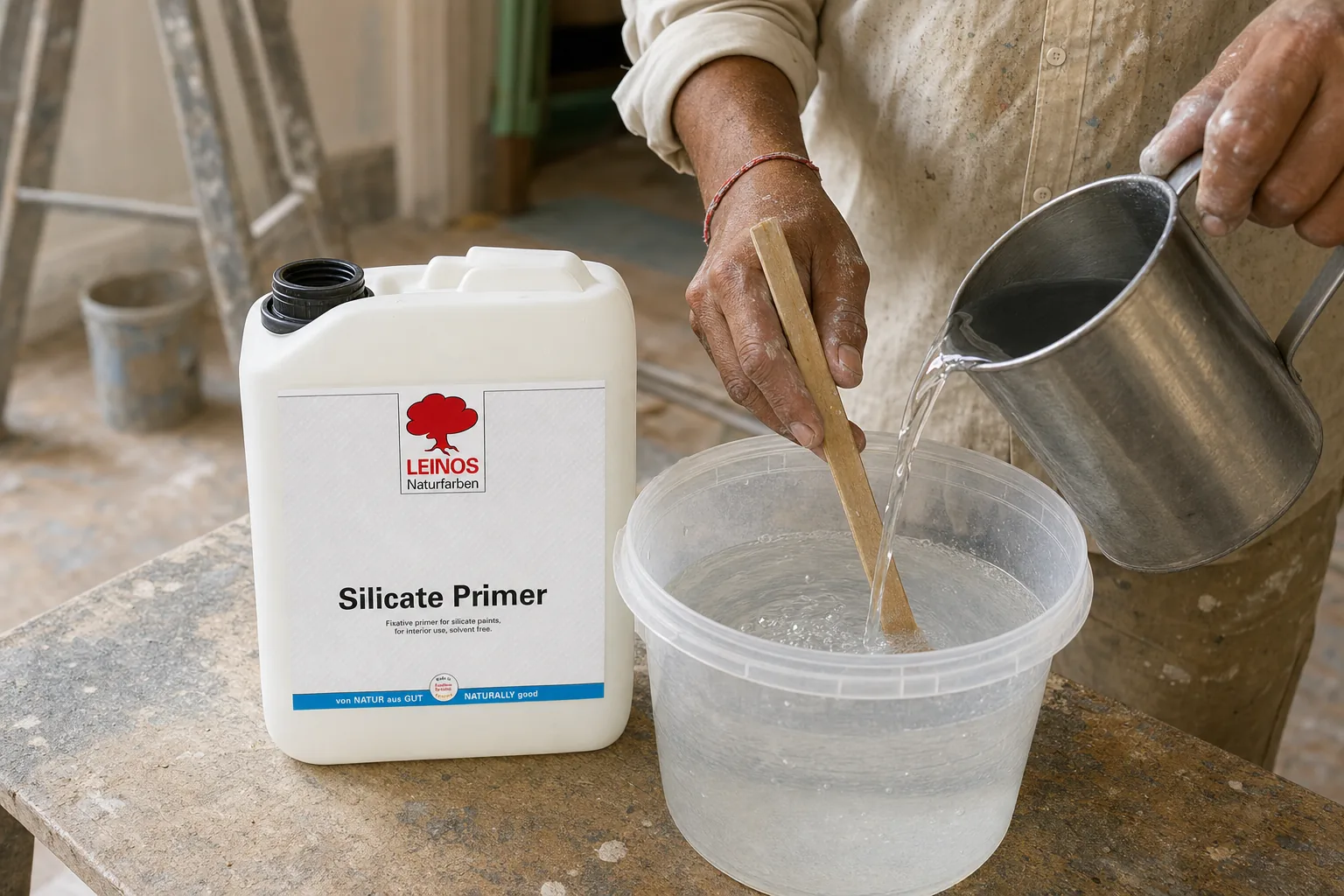
Dilute 1:3 and stir — thin the clear silicate primer with water at roughly 1:3 (one part primer to three parts water), adjusting for the substrate: more water on strongly sanding or very absorbent surfaces, less on firmer plaster. Stir until evenly mixed. Work at surface and air temperatures above 15 °C, and protect from frost through the drying window. The diluted primer is a thin, clear, watery liquid — not a paint.
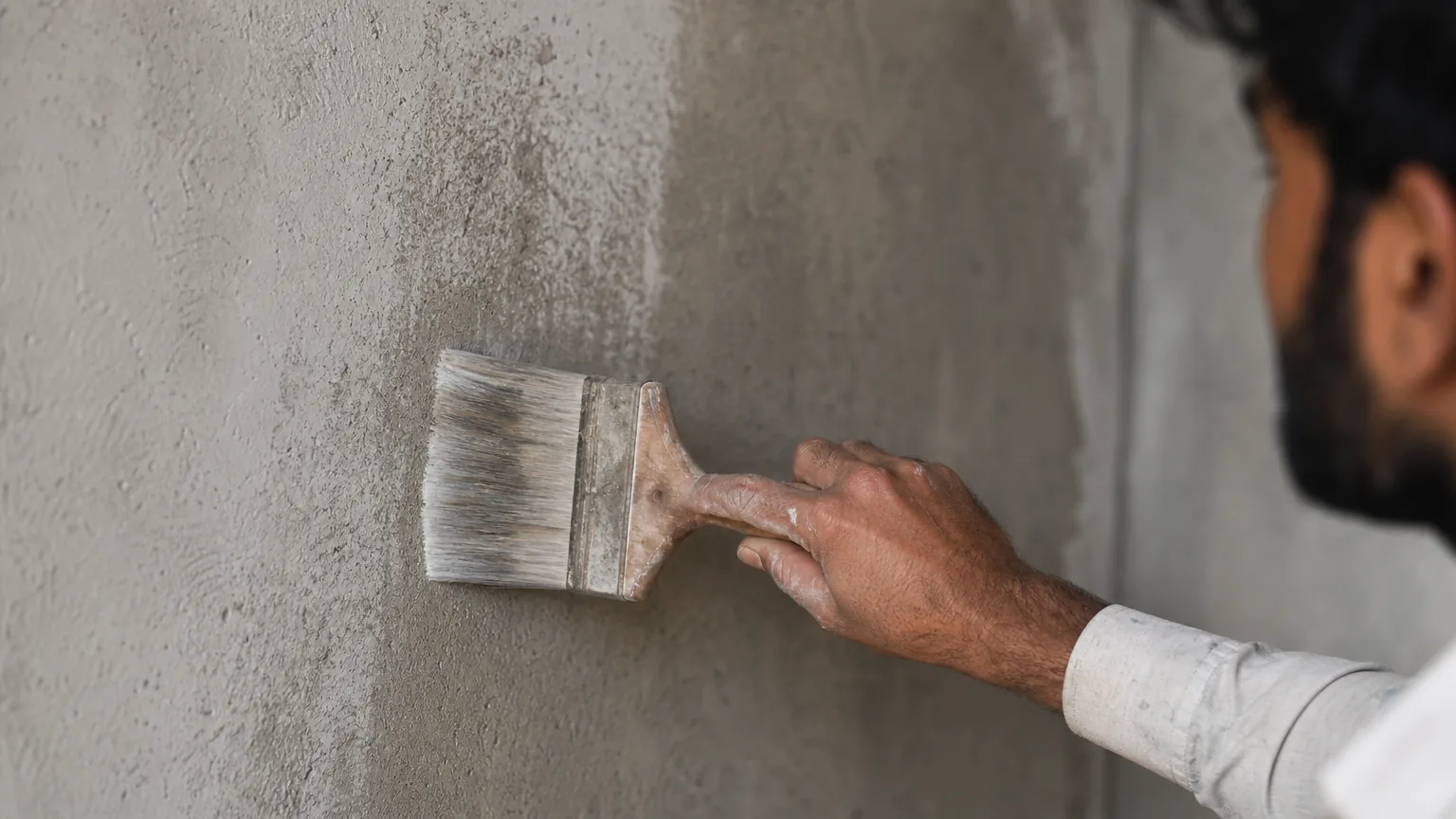
Prime raw plaster, gypsum, and absorbent zones — apply the diluted primer evenly by brush, working it into the surface so it soaks in rather than pooling. Raw plaster, gypsum plaster, and gypsum board are always primed before LEINOS Silicate Paint 690. On a chalking or sanding wall the primer binds the loose mineral dust as it penetrates. Do not overload the surface to a glossy, sealed film — the primer must stay open-pore.
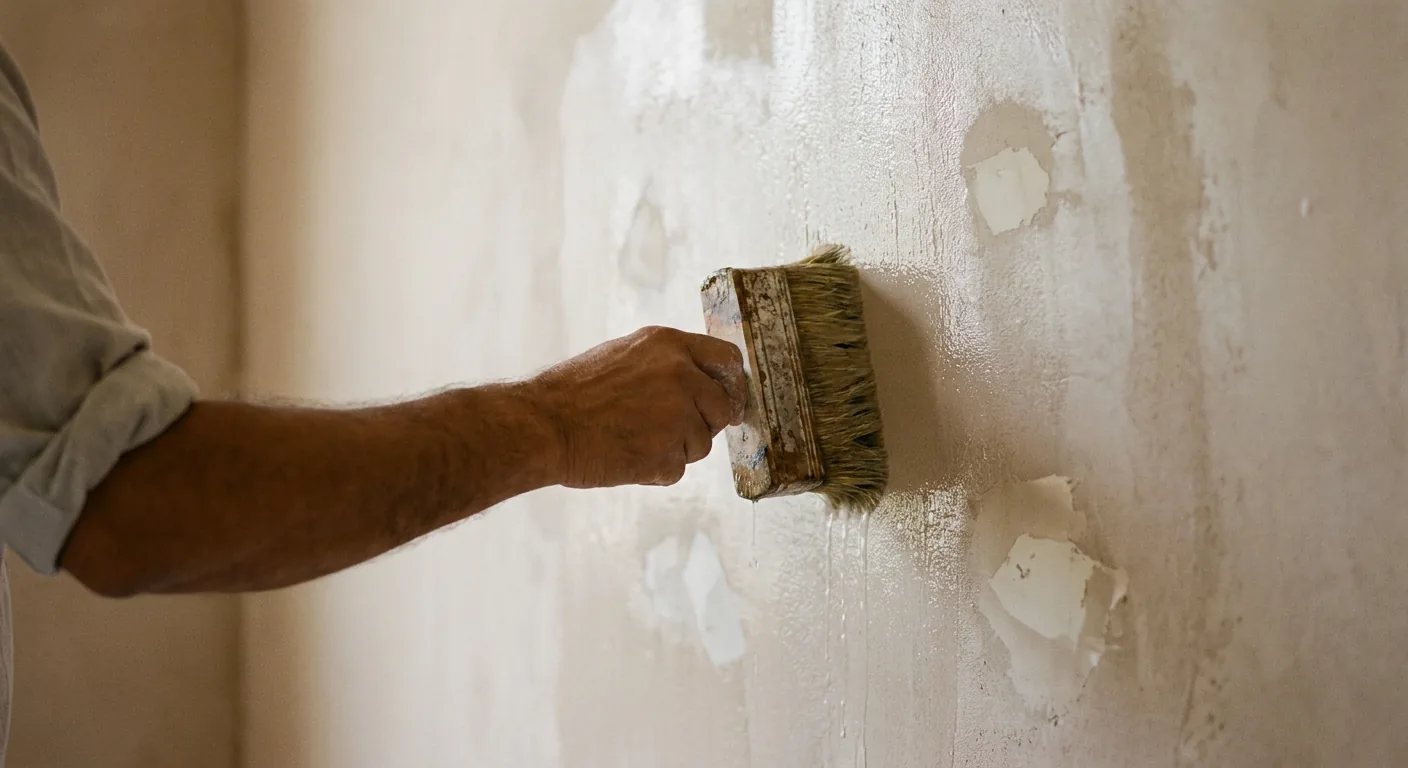
Even out patchy + repaired absorbency — where the wall has filler repairs, over-trowelled patches, or mixed-age plaster, brush the primer across those zones and their surroundings so the whole surface ends up with a single uniform suction. This is the step that stops LEINOS Silicate Paint 690 from reading blotchy over a repaired wall — the primer soaks deeper into the thirstier patches and less into the firmer ones, levelling the draw.
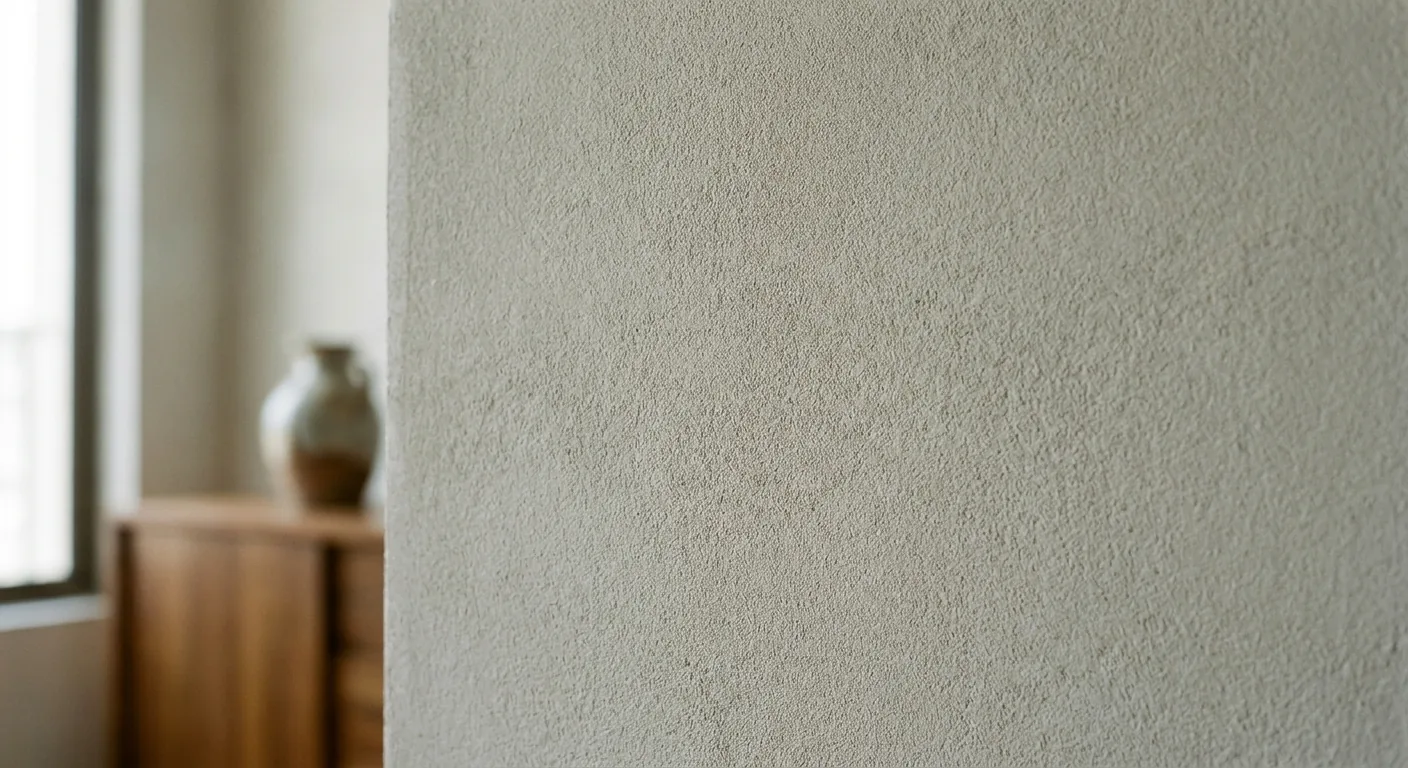
Dry 1–3 hours — the primer dries in approximately 1–3 hours at 20 °C and 50% relative humidity (longer in cooler or more humid conditions). Because 621 is colourless it leaves no visible film — the wall reads as an even, matt, uniformly-absorbent mineral surface with no sheen. One priming coat is usually sufficient; a very thirsty or heavily sanding wall may take a second thin pass.
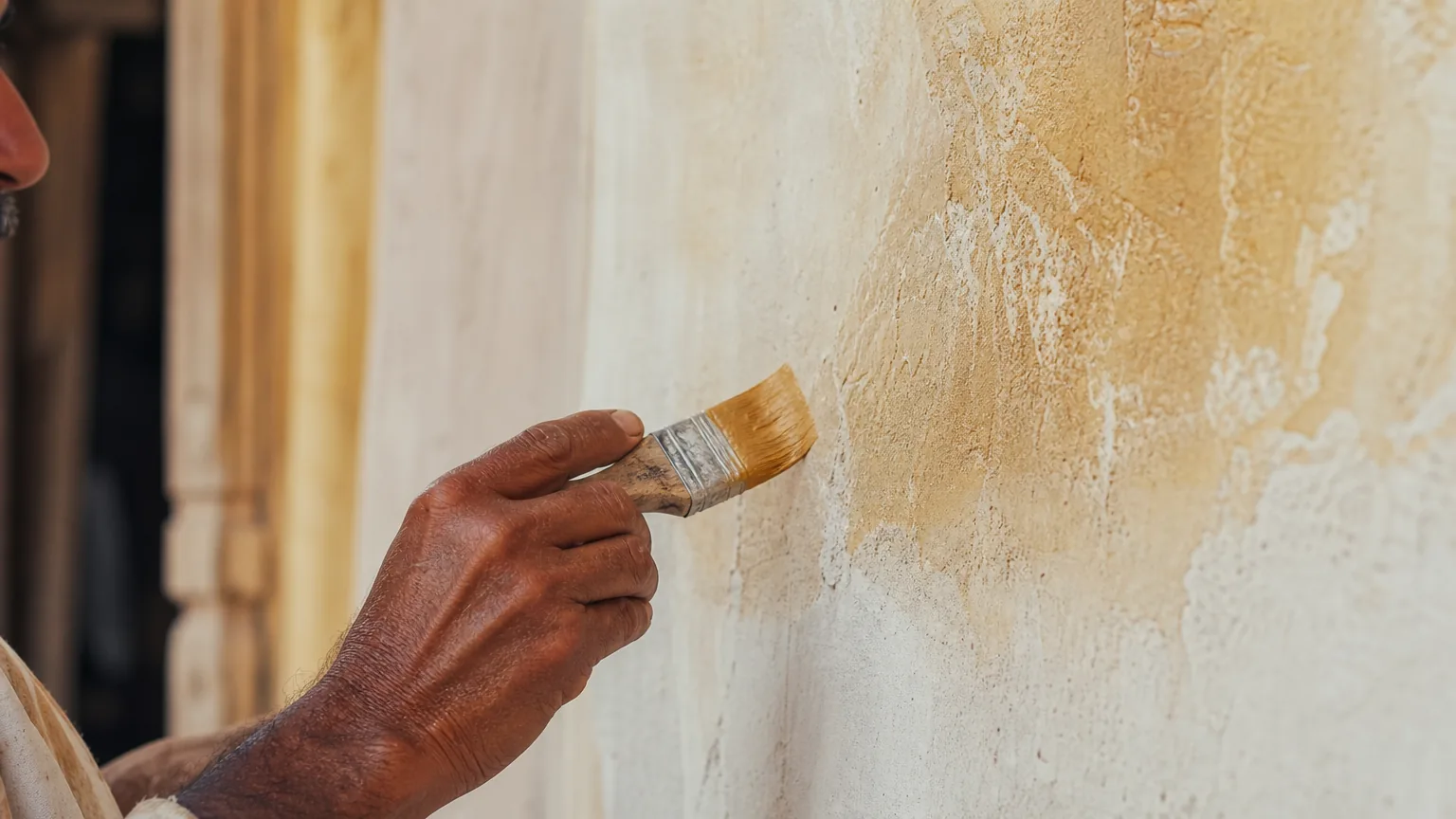
Topcoat — or glaze. Apply LEINOS Silicate Paint 690 per its own TDS once the primer is dry: two coats, the first optionally diluted up to 10% with water, the final coat undiluted. For a decorative finish instead, lay a translucent silicate glaze (lasur) over the cured 690 wall — thin LEINOS 621 with water 1:3 to 1:5 and add the alkali-resistant LEINOS 668 Pigment Concentrate. Only alkali-resistant pigments survive the silicate chemistry.
Application Conditions
Coats & Recoating
Cleaning & Storage
First time with Silicate Primer? Our technical team runs complimentary on-site walkthroughs for contractors — full application protocol, start to finish.
System & Substrates
Silicate Primer 621 is the dedicated prep coat under LEINOS Silicate Paint 690. The clear silicate binder silicifies with the mineral substrate (not just adheres), fixes chalking and sanding surfaces, evens absorbency for a uniform topcoat, and stays vapour-permeable so the wall keeps breathing.
The Coating System
Primer plus topcoat — the full chain.
Topcoat Options
Choose the finish character; the primer underneath stays the same.
Tinting On Site
Mix your own custom shade at the site with LEINOS pigments.
Substrate Fit
Suitable
Honest Limits
Use With Care
Coverage & Pack Sizes
Coverage assumes one priming coat of primer diluted 1:3 with water — roughly 20 m² per litre of concentrate (about 100 ml/m² undiluted). Strongly sanding or highly absorbent walls take more water and sit at the lower end; firmer plaster at the upper end.
1L
Covers
160–215 sq ft
1 coat, absorbent mineral
Best For
Spot-priming repairs, sample area, small accent wall.
2.5L
Covers
400–540 sq ft
1 coat, absorbent mineral
Best For
Single room, feature wall, heritage patch-prime.
10L
Covers
1600–2150 sq ft
1 coat, absorbent mineral
Best For
Full apartment interior, large heritage wall, commercial project.
Enter your area to see how much material — and the most efficient pack mix — you’ll need for 1 coat.
Full calculatorRelated Work
Documented mineral surface projects. Captions show which LEINOS finish was used.
Full Declaration
Every ingredient declared on the label. The Trust Hub explains what each one does and the standards behind it.
Water
The carrier. Evaporates during cure — what remains is the silicate network bonded to the substrate. Solvent-free, water-borne; thinned a further 1:3 with water on site.
Potassium Silicate (Water-Glass)
The reactive binder. Reacts with substrate silicates (silicification) — chemically fuses with lime plaster, cement, and gypsum, and binds chalking or sanding surfaces insolubly. Alkaline in solution (pH approx. 11). Disclosed per the InVeNa full-disclosure pledge.
Organic Binders
A small organic binder fraction for workability and film formation of the thin primer coat. The mould resistance comes from the alkaline silicate chemistry, not a biocide additive.
Got Questions?
Quick answers on formulation, application and Indian-climate suitability. Pulled from our full FAQ and TDS library.
For Architects & Specifiers
Technical and safety documents — citable in project specifications.
Need a Recommendation?
Four ways to reach our India team — pick the one that fits how you work.
For Trade & Specifiers
Full TDS / SDS library, specification support and trade pricing — direct from the manufacturer.
Documents
TDS / SDS
Per-product datasheets and safety sheets, downloadable in English.
Specification
NCS Match
Custom colour briefs and material samples mixed at our Delhi lab.
Trade
Direct Pricing
Volume tiers, project quoting and stock allocation through our trade desk.
Written by the LEINOS India technical team, in collaboration with
Reincke Naturfarben R&D, Lower Saxony.
Last updated
Want to represent LEINOS in your city?
Become a Dealer