

0.25L
Covers
20–25 sq ft
2 coats, absorbent wood
Best For
Touch-ups and small joinery.
EXTERIOR WOOD OIL · ART. 223
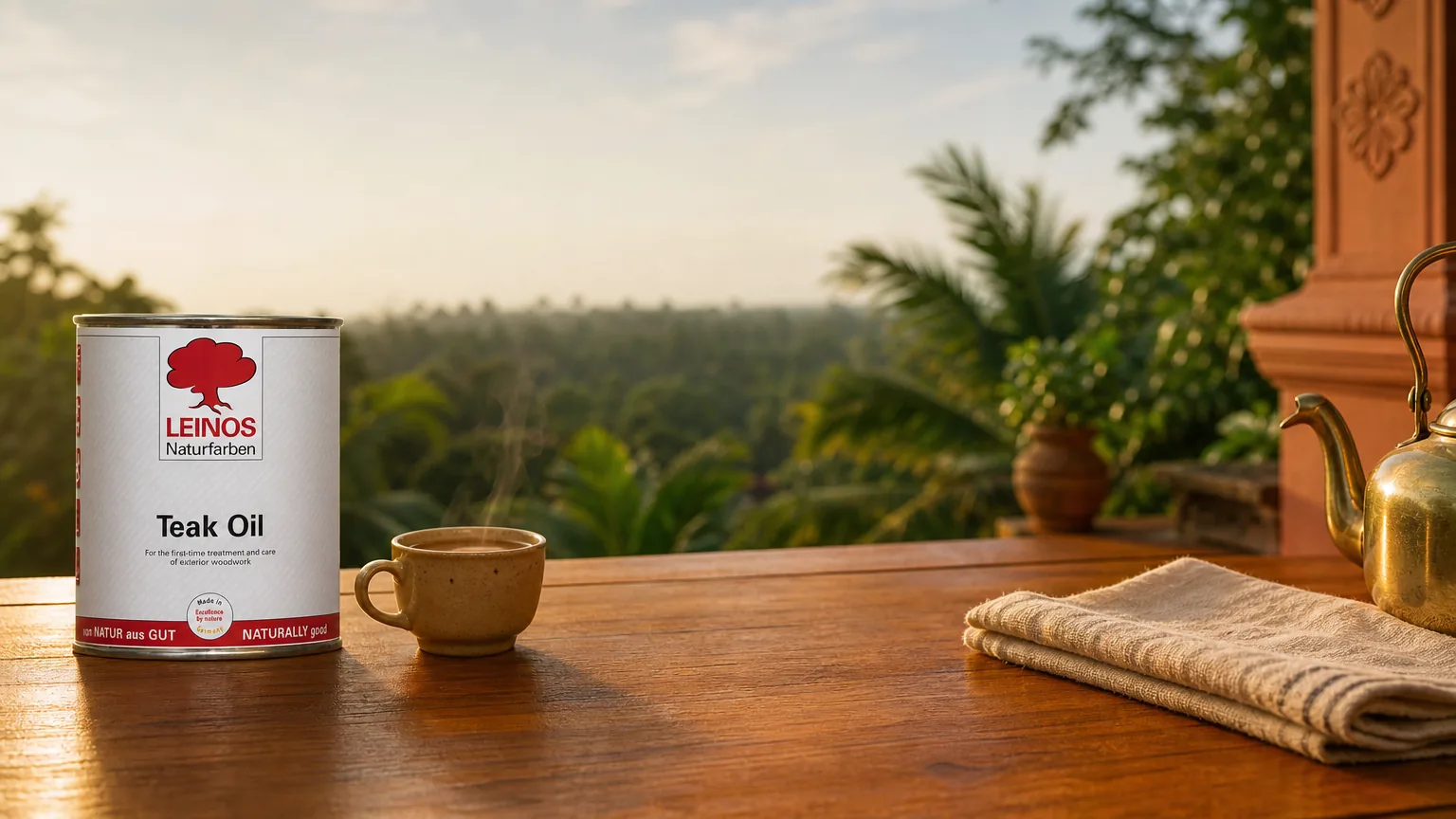
LEINOS 223 — penetrating oil-resin treatment with built-in sapstain protection. For teak furniture, garden joinery, and refreshing greyed exterior wood — no sanding required between coats.
Mechanism & Use
Open-pore penetrating oil with built-in sapstain protection — re-oil tropical hardwood without sanding, without a film to peel.
Linseed + tung + castor oils travel into the wood’s open cell lumen by capillary action. Dense tropical species like teak and bangkirai absorb the oils through their fibre walls — the wood itself becomes the protection, not a coat on top.
Open-pore finish lets vapour out and humidity in without delaminating. No plastic seal that traps monsoon moisture under the surface — the wood expands and contracts with the season, freely.
Rosin-ester resins cross-link the oil inside the wood fibre. Water-resistant without sealing the surface — rain beads off, but does not film-trap the timber.
Iodopropynyl-butylcarbamate at <0.6 % deters the fungi that grey and blacken tropical wood in humid climates. REACH-registered biocide; sapstain protection without surface chemistry the user touches.
Where It Lives
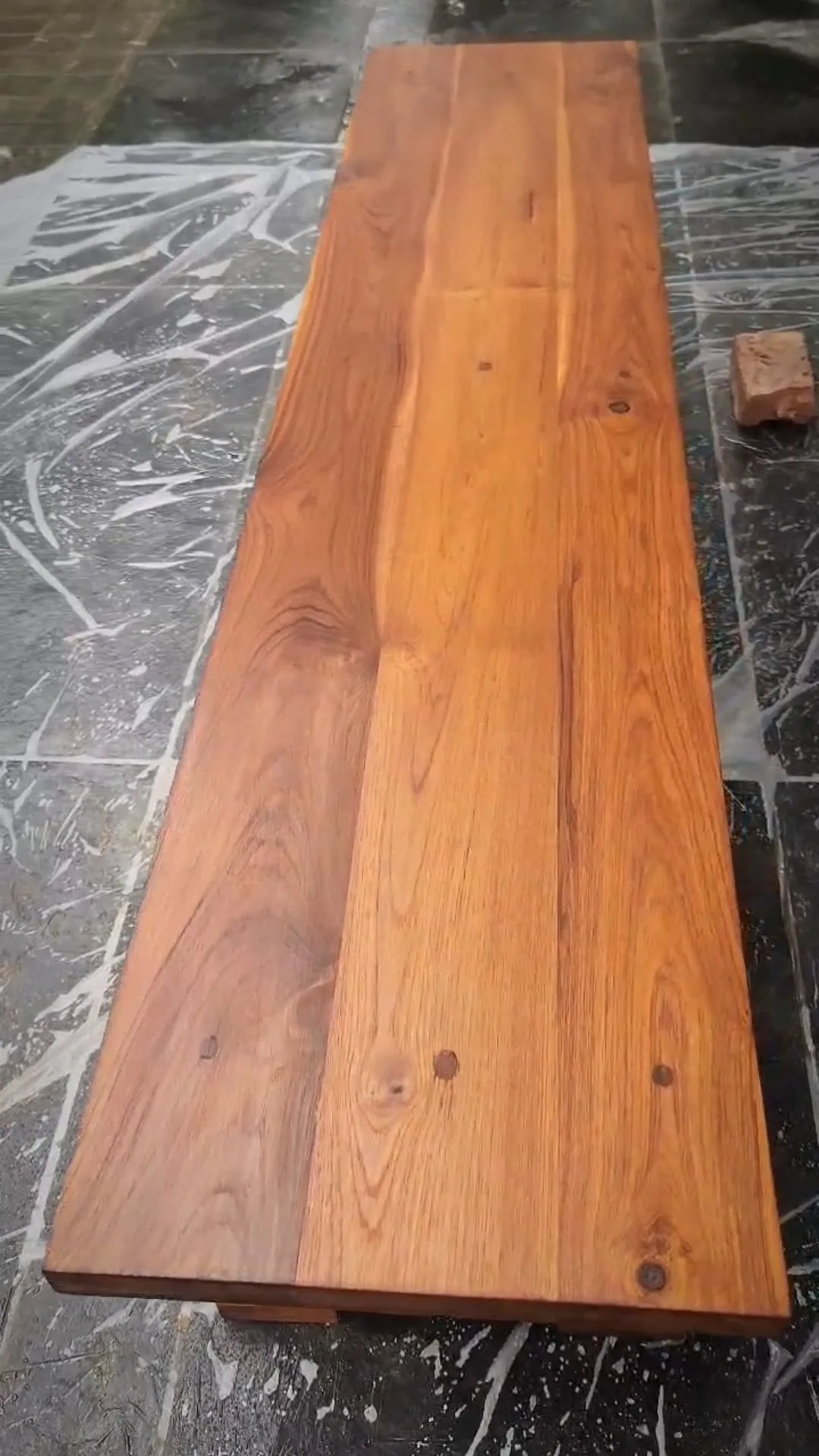
Teak furniture (Indian and Burmese)
Outdoor teak chairs, low tables, terrace benches. Re-apply every 2–3 monsoons or when colour starts to grey.
Bangkirai decking + tropical hardwood floors
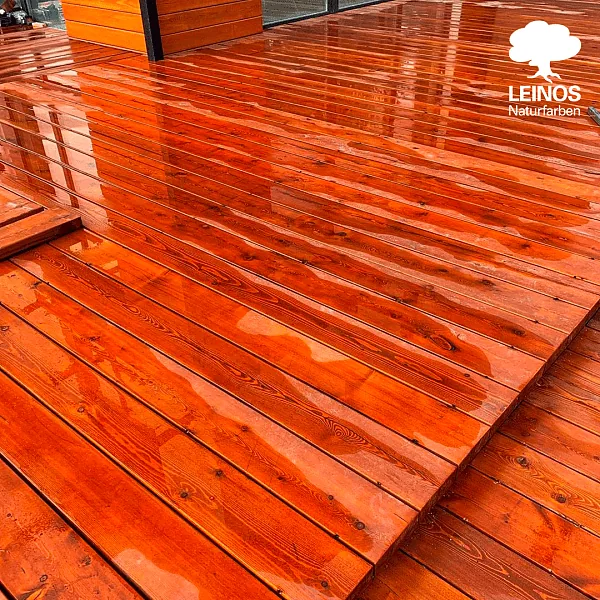
Penetrating oil holds where film finishes peel. For dedicated terrace flooring also see Terrace Wood Oil 236.
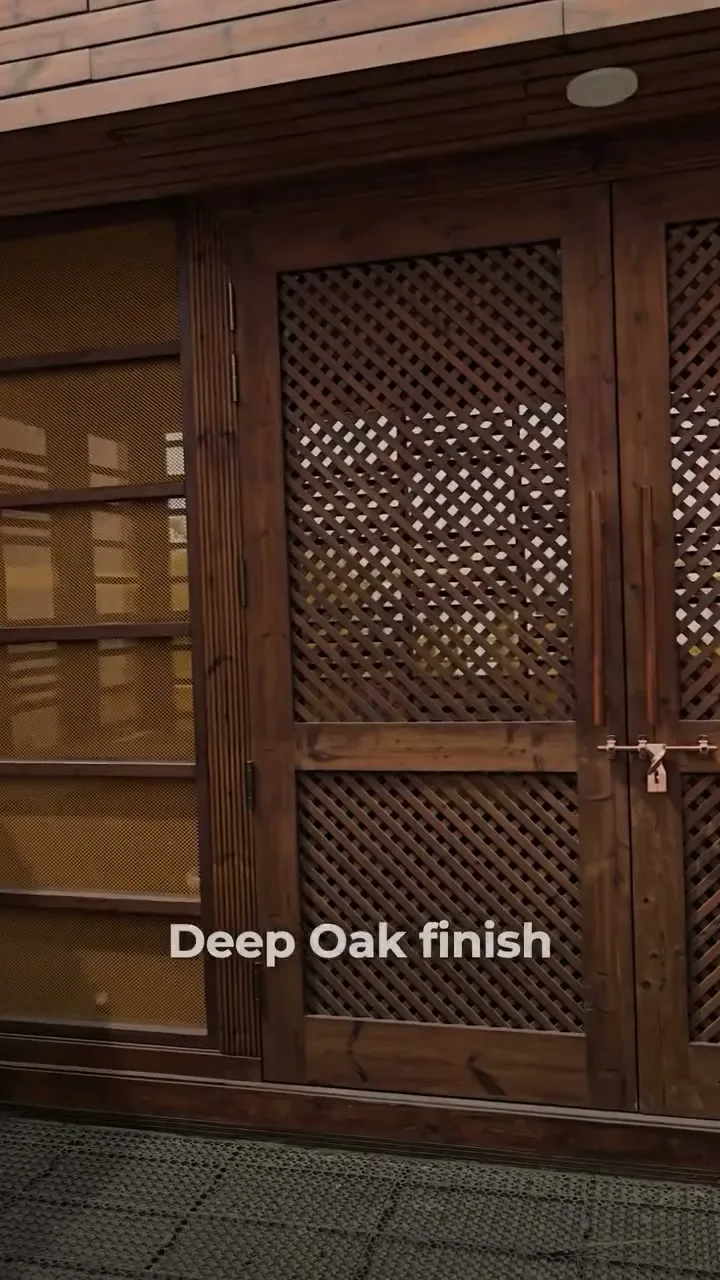
Garden joinery — fences, pergolas, screens
Untreated softwood or hardwood garden structures. First-coat impregnation + maintenance recoat from one tin.
Playground equipment + outdoor children’s furniture
Sapstain protection keeps shaded humid surfaces clean. DIN 53160 saliva/sweat-tested at skin-contact level.
Greyed / weathered exterior timber refresh
After Entgrauer 940 pretreatment, re-oil with 223 directly — no sanding step required between coats.
Boutique resort verandas and teak loungers
Hospitality-grade teak furniture under monsoon humidity and salt-coastal exposure — refreshable in-situ without taking the lounger off the deck.
Compliance · DIN · REACH · EU
Five anchors that let architects specify 223 for tropical hardwood without disclaimers.
Biocide Compliance
REACH-registered IPBC biocide (<0.6%) deters blue-stain mould in humid tropical climates.
Institutional Pledge
Reincke Naturfarben — full-ingredient-disclosure pledge for natural building products.
The TDS is downloadable below. Where you need a written specification packet — DIN compliance summary, IPBC declaration, or ingredient-disclosure letter for an architect’s submittal — it is available to architects and contractors on request. Use Get Expert Advice above.
Read The Full TDSStep by Step
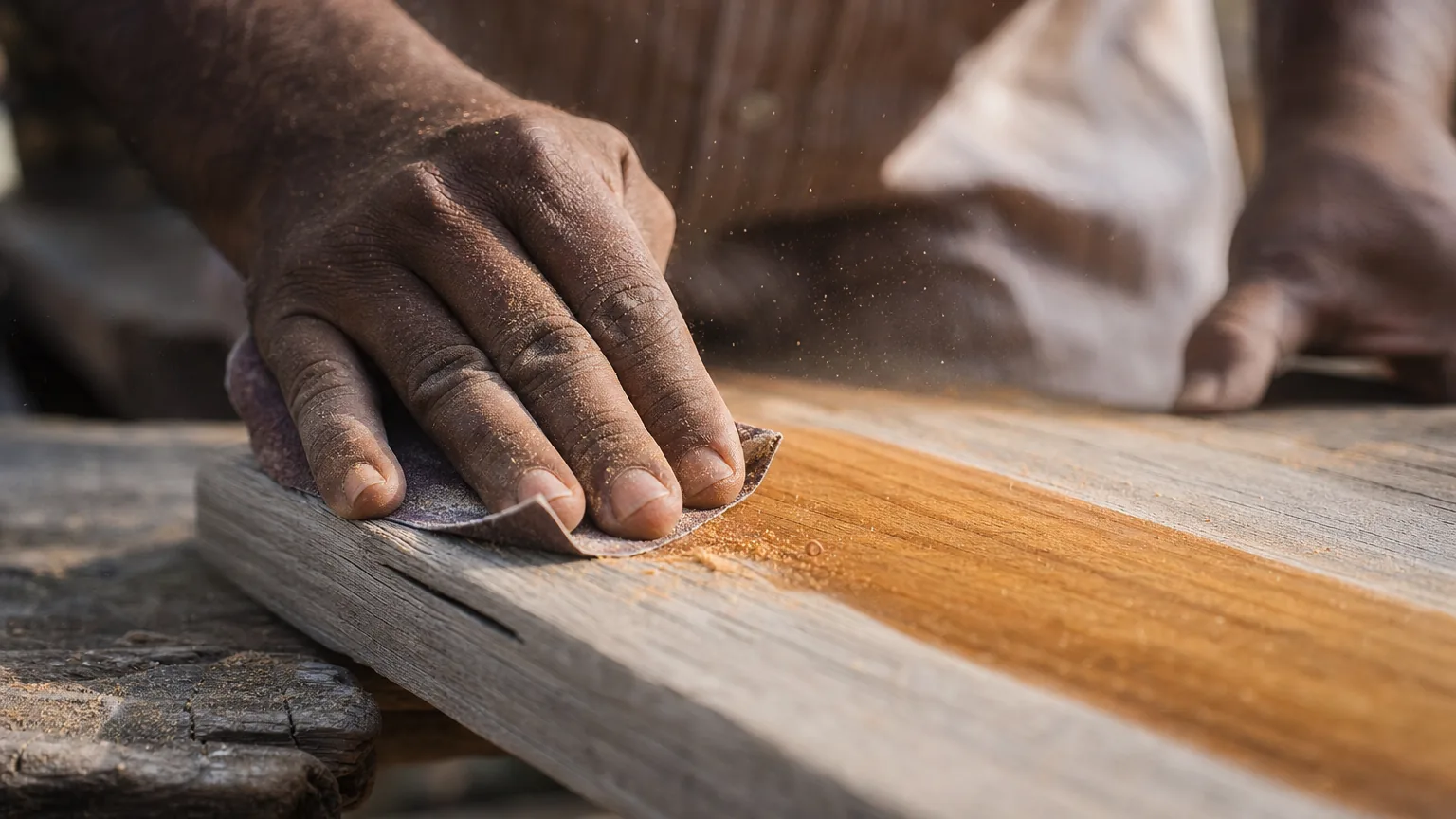
Prepare the substrate — wood must be dry (≤ 15% moisture), clean, oil-free, dust-free, and absorbent. Sand greyed or weathered timber back to healthy wood, or apply LEINOS Entgrauer 940 to lift the grey layer chemically. Remove old film finishes completely — 223 will not penetrate over a film.
Stir thoroughly, work above 10 °C — stir the tin until any settled solids are fully dispersed. Do not thin under normal conditions. Apply only at ambient and surface temperatures above 10 °C; ensure adequate cross-ventilation during the drying window.
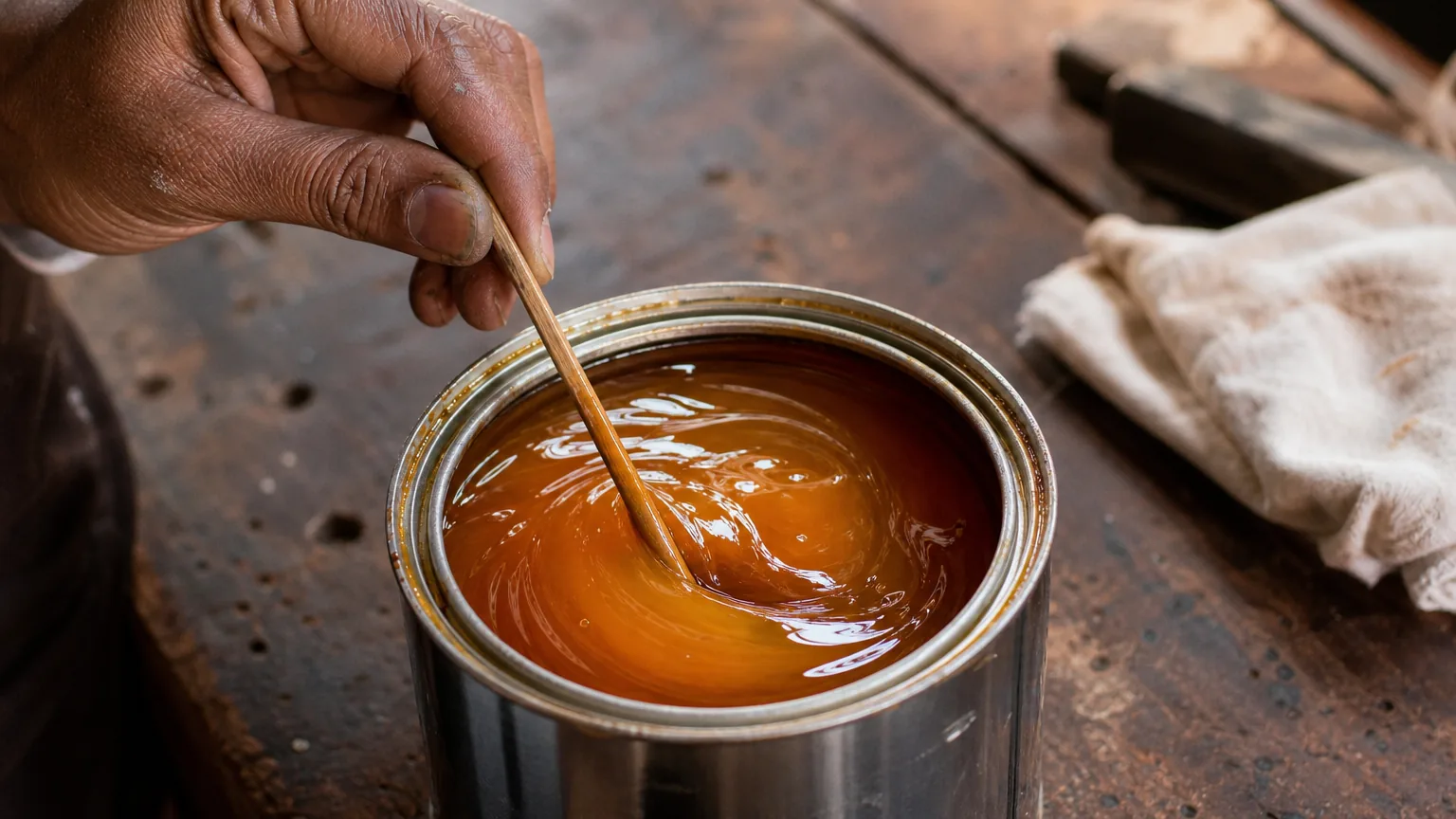
First coat — brush is the primary tool. Apply thinly and evenly with the grain. Avoid puddles and pooling — the wood absorbs what it absorbs; surplus oil leaves a sticky residue. Wipe off any unabsorbed oil after 15–20 minutes with a clean lint-free cloth.
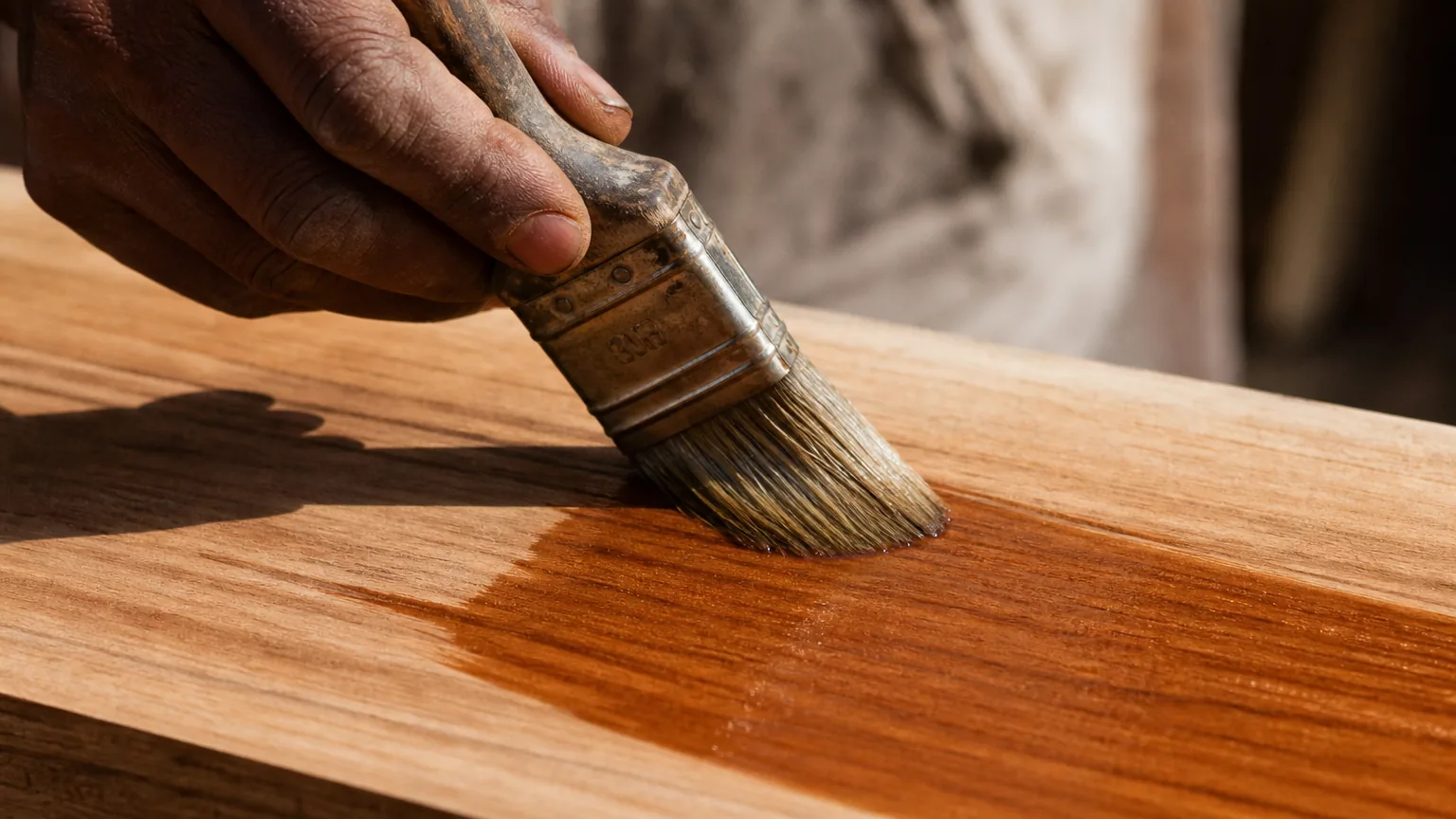
Drying window — at 20 °C and average humidity: surface dust-dry in 6–8 hours, recoatable after 16–24 hours. Indian high-humidity coastal sites (Mumbai monsoon, Goa, coastal Kerala): extend recoat window by 4–8 hours; verify with a clean cloth (no oil lifted = ready).
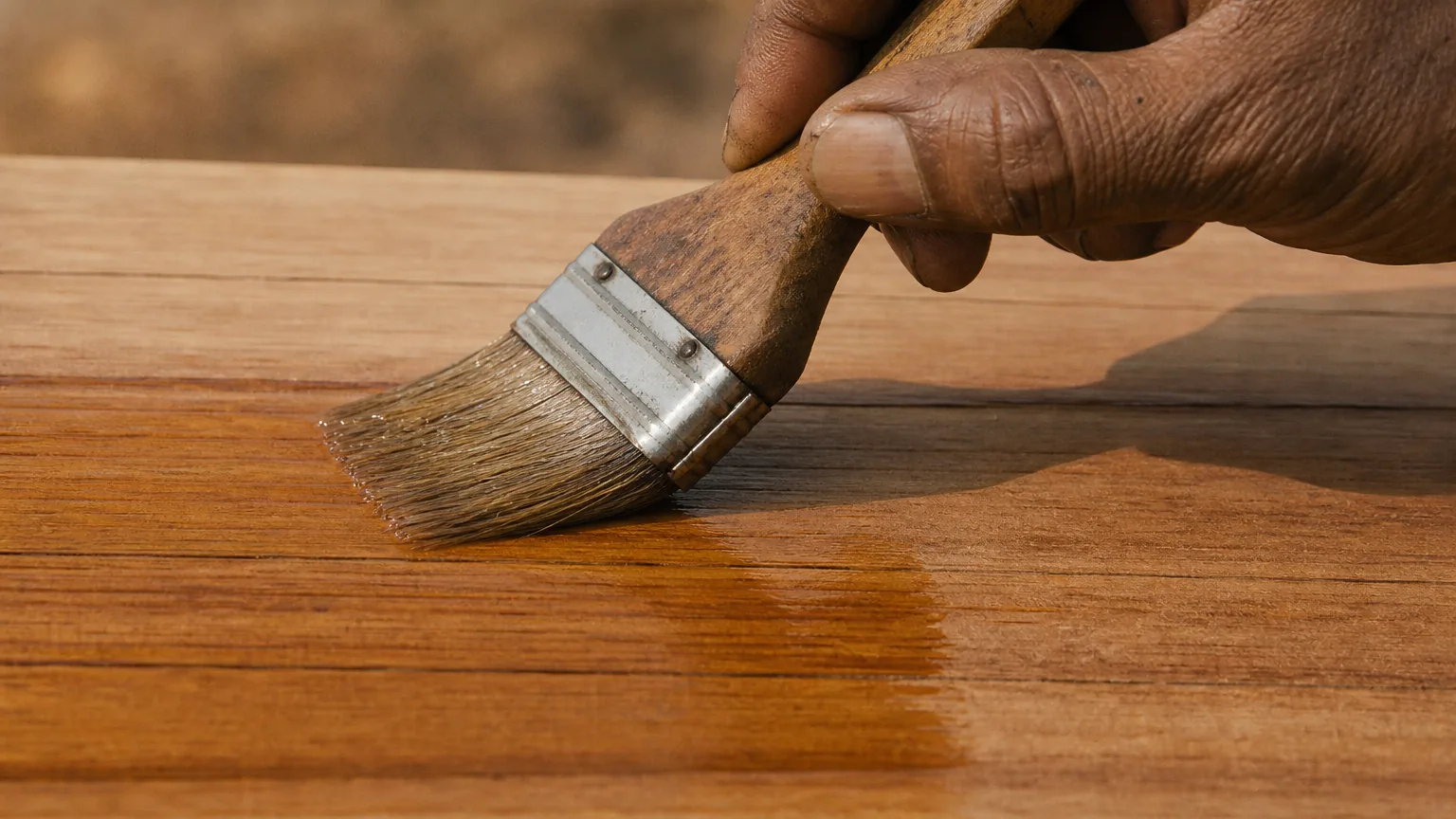
Second coat — same technique, no sanding. Apply thinly with the grain. The second coat bonds into the open-pore oil-impregnated fibre of the first. Dense tropical hardwoods (teak, bangkirai) may benefit from a third light coat on end-grain and water-traffic surfaces.
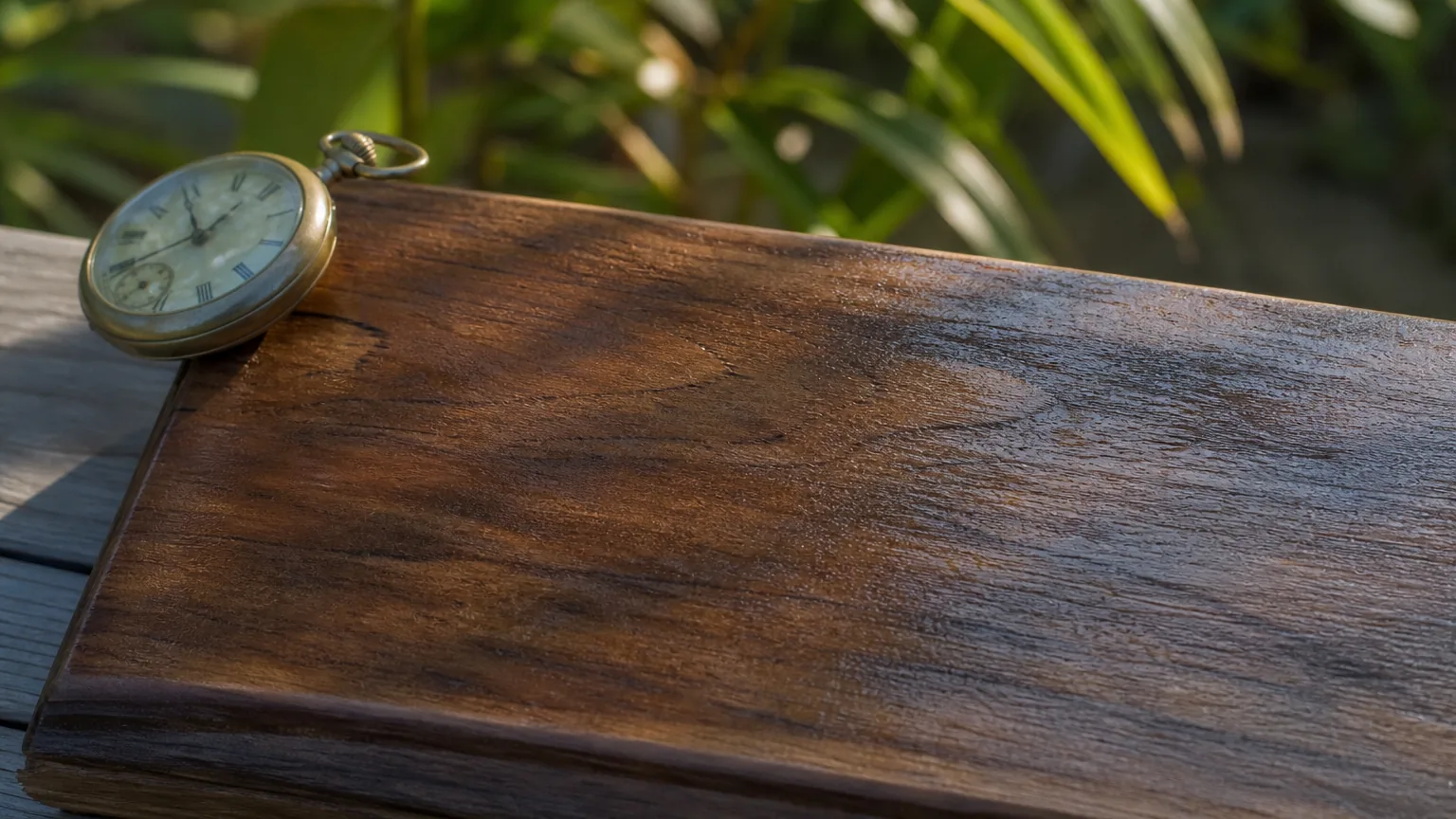
Maintenance — re-oil annually for exterior surfaces, every 2–3 years indoors. Greyed wood: Entgrauer 940 first, then re-oil with 223 directly. No sanding, no removal, no scaffolding-up — a single craftsman can refresh a teak balcony in a morning.
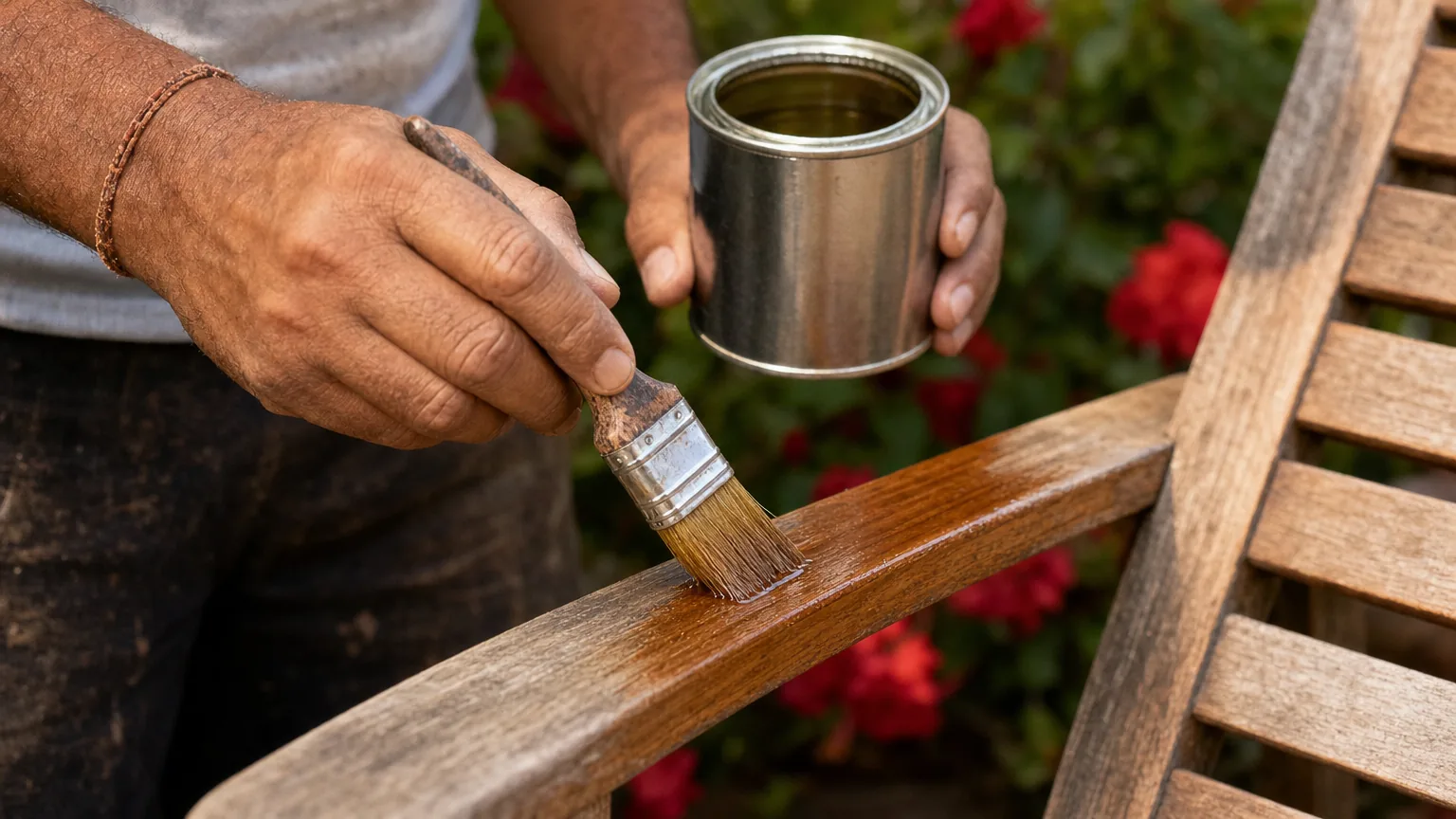
Application Conditions
Coats & Recoating
Cleaning & Storage
First time with Teak Oil? Our technical team runs complimentary on-site walkthroughs for contractors — full application protocol, start to finish.
System & Substrates
Two coats of 223 directly on prepared wood. The only optional companion is Entgrauer 940 for greyed timber. No film topcoat: the protection lives inside the wood fibre.
The Coating System
Primer plus topcoat — the full chain.
Long-term Care
Extends the life of the finish over the years.
Substrate Fit
Suitable
Honest Limits
Use With Care
Coverage & Pack Sizes
Coverage on the card assumes one coat on absorbent exterior wood. Two coats standard — double the surface estimate accordingly.
0.25L
Covers
20–25 sq ft
2 coats, absorbent wood
Best For
Touch-ups and small joinery.
0.75L
Covers
55–80 sq ft
2 coats, absorbent wood
Best For
Garden furniture set + small terrace piece — the standard India retail size.
2.5L
Covers
190–270 sq ft
2 coats, absorbent wood
Best For
Full terrace + fence run, or multi-piece teak furniture refresh.
Enter your area to see how much material — and the most efficient pack mix — you’ll need for 2 coats.
Full calculatorRelated Work
Documented exterior wood projects. Captions show which LEINOS finish was used.
Full Declaration
Every ingredient declared on the label. The Trust Hub explains what each one does and the standards behind it.
Cold-pressed flax-seed oil — the LEINOS signature drying oil. Polymerises with oxygen to bond inside the wood grain. Plant-based, with centuries of fine-art and traditional wood-finishing pedigree.
Wood Oil (Tung)
Tung-tree seed oil, plant-derived. Co-binder alongside linseed for harder exterior cure and faster water resistance under tropical sun and rain cycles.
Castor Oil
Plant-derived elasticity additive. Stays slightly flexible inside the cured matrix — matters on tropical hardwoods that swing wide between monsoon humidity and post-monsoon dry heat.
Natural Resin (Rosin Ester)
Pine-derived natural resin ester. Cross-links the cured oil into a flexible matrix inside the wood fibres — the “resin” in the brand’s oil-resin chemistry.
Isoaliphatic Carrier (C10–C13)
Plant-derived isoparaffin solvent carrier (40–50% by mass per Reincke SDS L-223). Evaporates fully on cure, leaving the oil-resin matrix bonded in the timber.
Sapstain biocide (IPBC) + Drying catalysts
REACH-registered IPBC biocide (<0.6%) deters blue-stain mould per EU Directive 528/2012. Manganese, zirconium, and zinc neodecanoate driers (cobalt-free) accelerate the oxidative polymerisation of the linseed-oil base. Disclosed per InVeNa full-disclosure pledge.
Got Questions?
Quick answers on formulation, application and Indian-climate suitability. Pulled from our full FAQ and TDS library.
For Architects & Specifiers
Technical and safety documents — citable in project specifications.
Need a Recommendation?
Four ways to reach our India team — pick the one that fits how you work.
For Trade & Specifiers
Full TDS / SDS library, specification support and trade pricing — direct from the manufacturer.
Documents
TDS / SDS
Per-product datasheets and safety sheets, downloadable in English.
Specification
NCS Match
Custom colour briefs and material samples mixed at our Delhi lab.
Trade
Direct Pricing
Volume tiers, project quoting and stock allocation through our trade desk.
Written by the LEINOS India technical team, in collaboration with
Reincke Naturfarben R&D, Lower Saxony.
Last updated
Want to represent LEINOS in your city?
Become a Dealer