Outside · Facades
A facade that stays mineral, breathable and fade-resistant for years.
Rendered and plastered exterior walls — coated with a breathable silicate paint that bonds into the mineral surface, lets the wall release moisture, and holds its colour through sun and monsoon. Here is the system we specify for facades.
- Rendered walls
- Plaster
- ETICS
- Renovation
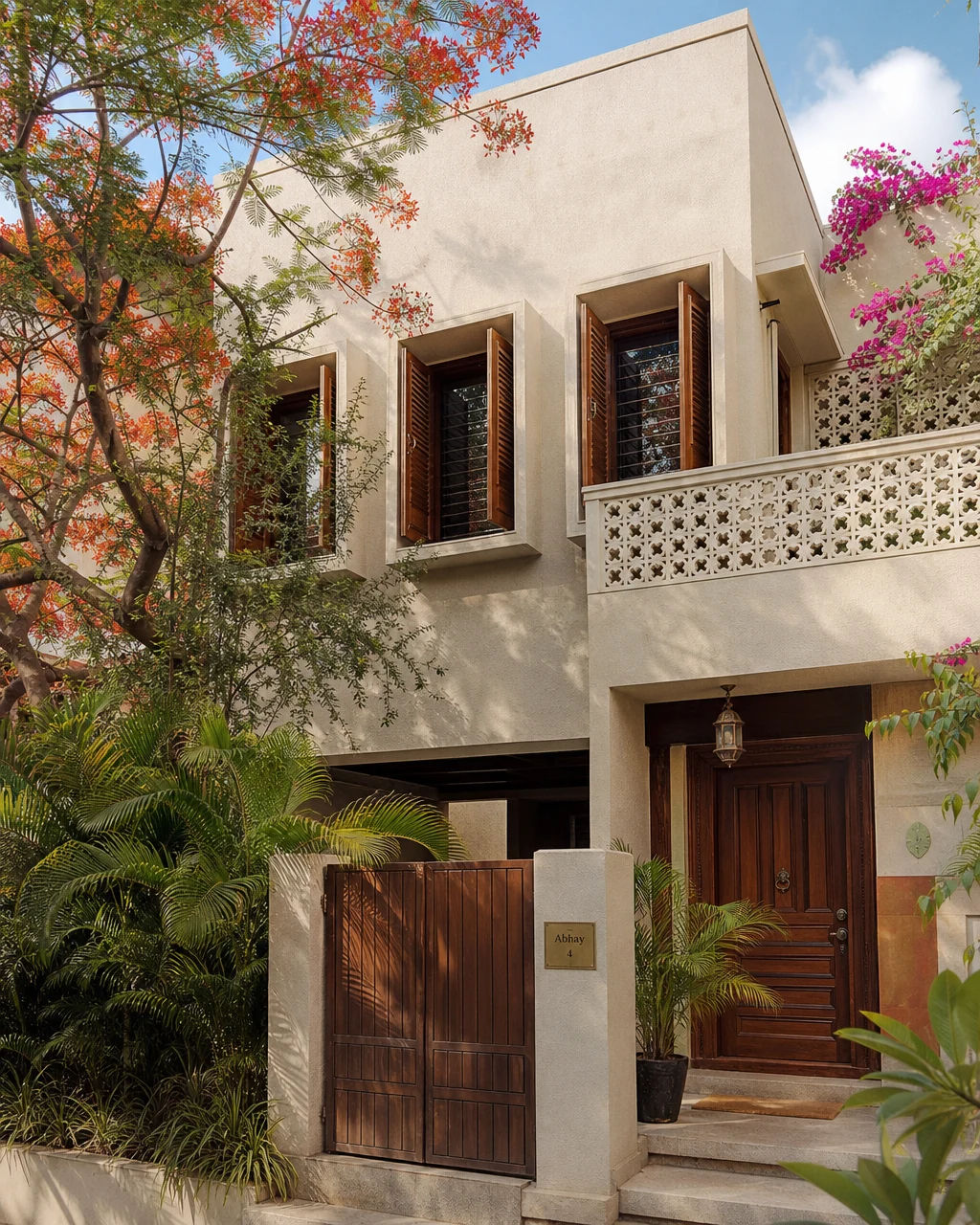
The recommended system.
Two parallel silicate systems to choose from — ProfiSol 612 for new mineral render, or UniverSil 614 to renovate an already-coated facade — each over a quartz-filler prep and its own matching primer.
A facade is not a single recipe — it is the right silicate system for where you start. Pick one of the two systems below: they are not interchangeable, so choose the one that matches your wall, then follow that chain.
Start from the topcoat — it decides everything beneath it. The two paints belong to two separate, non-interchangeable systems; the prep and primer follow from the one you choose.
Common to both systems. Where the render has hairline cracks, repaired patches or uneven texture, level and consolidate the whole surface first — both facade paints can be applied over it.
Each topcoat has its own primer chain — and the two are not interchangeable. Match the chain to the paint you chose above: never cross a ProfiSol primer with a UniverSil paint, or the reverse.
ProfiSol system
Sol-silicate — for new mineral render.
UniverSil system
Potassium silicate — for already-coated facades.
LEINOS keeps the two silicate facade systems deliberately separate, because the right one depends on what is already on the wall — ProfiSol for fresh mineral render, UniverSil for facades already coated. There is no separate care or refresh product: a silicate facade ages by gentle surface chalking, which is a normal property of mineral coatings, not a defect to maintain away. When a facade is genuinely tired, you recoat it with the matching system rather than maintaining it.
Why it’s demanding
What a facade puts a coating through
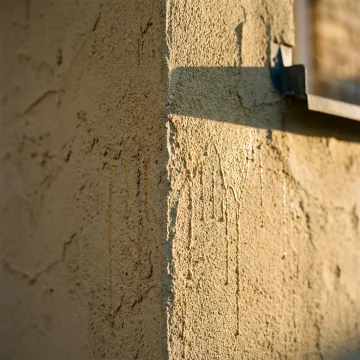
Sun, rain & heat
Harsh sun, driving monsoon rain and day-to-night temperature swings hit the same wall relentlessly, year after year.
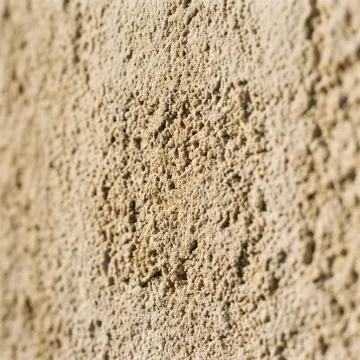
The wall must breathe
Render needs to release moisture from inside. A sealed film traps it, blisters and peels — a facade coating has to stay vapour-open.
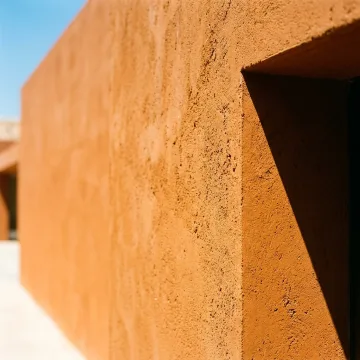
Colour against UV
Strong sunlight fades organic paint within a few seasons — facade colour has to come from UV-stable mineral pigments to last.
A facade paint that becomes part of the wall.
An emulsion film sits on the surface, traps moisture and eventually peels. A silicate paint bonds chemically into the mineral render instead — so it cannot lift as a film, it stays vapour-open, and its mineral pigments hold their colour against the sun far longer than an organic coating.
See it in real projects.
All projects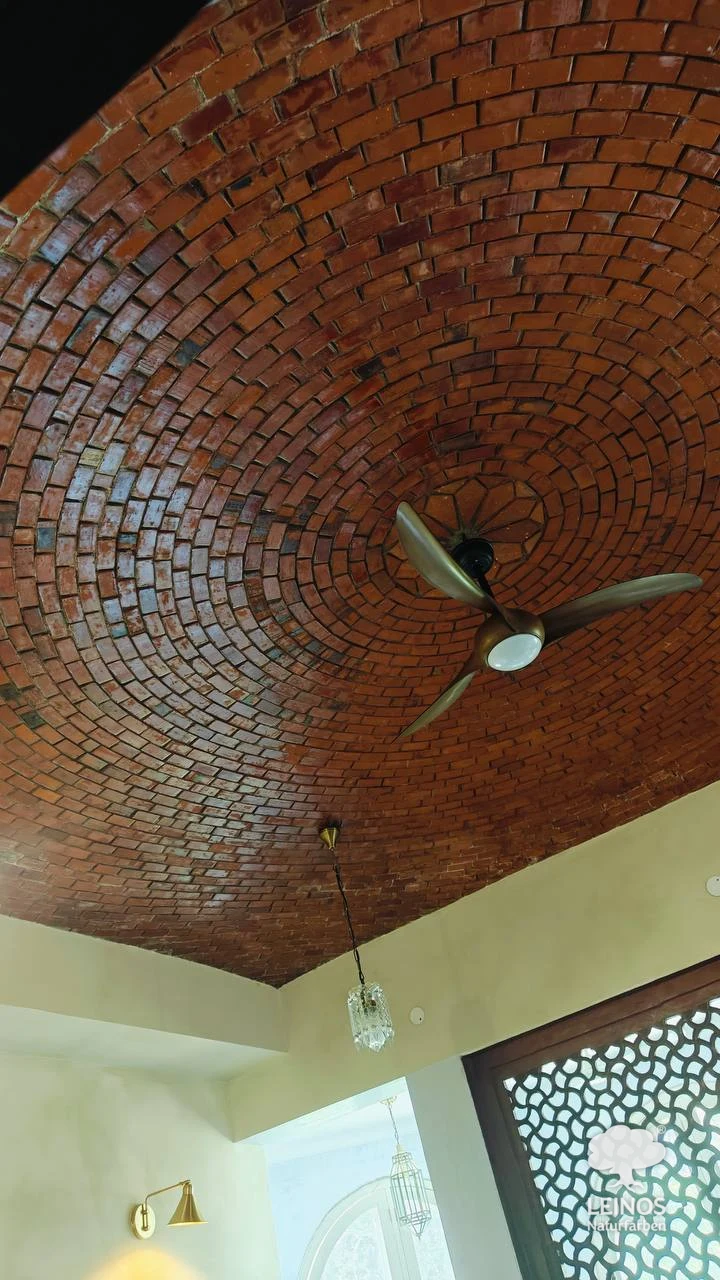
New Delhi, Delhi
Lime-Finished Interior in New Delhi
Same family · finished with 665
View projectNoida, Uttar Pradesh
Whole-Home Natural Finish in Noida
Same family · finished with 665
View project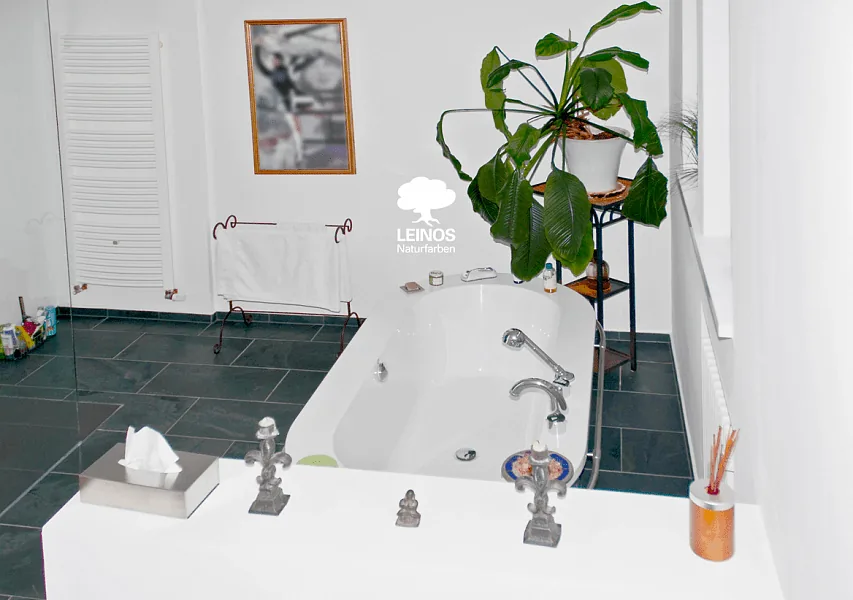
Coimbatore, Tamil Nadu
Bathroom Walls with Anti-Mould Lime Paint
Same family · finished with 665
View project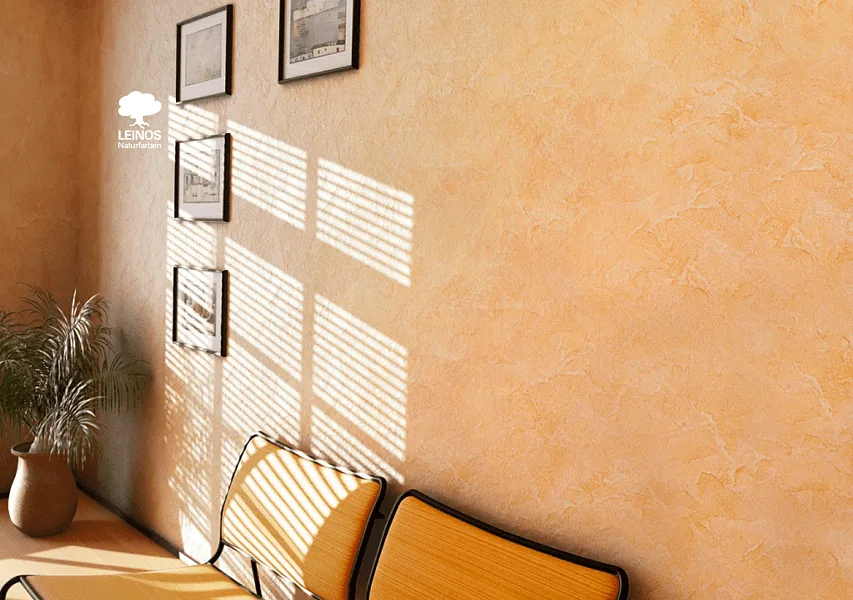
Pune, Maharashtra
Warm-Toned Textured Lime Paint Walls
Same family · finished with 665
View projectGot Questions?
Questions about facades
Quick answers on formulation, application and Indian-climate suitability. Pulled from our full FAQ and TDS library.
- A silicate paint bonds chemically into the mineral render and becomes part of the wall, rather than sitting on top as a plastic film. That means it cannot peel away as a film, it stays highly vapour-open so the wall can release moisture, and its mineral pigments hold their colour against UV far longer than an organic emulsion. On render in a hot, monsoon climate that breathability is what keeps the coating — and the wall behind it — sound.
- It depends on what is already on the wall. The ProfiSol system (612 over Profi Fixative 611, with an optional 613 base coat) is for new, sound mineral and cement render, historic stock and modern architecture. The UniverSil system (614 over the 615 base coat) is the renovation route for facades already carrying firmly-adhering emulsion or synthetic-resin coatings, and for ETICS. They are not interchangeable — each topcoat is thinned and primed differently, so choose one system and stay within it.
- Where the render has hairline cracks, repaired patches, load-bearing old coatings or uneven structure, prepare the whole surface with ProfiGrund Quartz Filler 610 — it levels and consolidates, and is overcoatable by either facade system. On a sound, even render you go straight to the system primer: Profi Fixative 611 for ProfiSol, or the 615 base coat for UniverSil.
- There is no separate care or refresh product, and none is needed. A silicate facade ages by gentle surface chalking — a normal characteristic of mineral coatings, not a fault. When a facade is genuinely weathered, you recoat it with the matching silicate system rather than maintaining it with a care product. Talk to a LEINOS specialist about the right recoating route for your wall.
Ready to specify your facade?
Open a facade paint to see its full data, or talk to a LEINOS specialist about your render, your substrate and your climate before you order — the right system depends on what is already on the wall.
Written by the LEINOS India technical team, in collaboration with
Reincke Naturfarben R&D, Lower Saxony.
Last updated