

8kg
Covers
215–345 sq ft
1 coat, smooth mineral
Best For
One elevation, patch-levelling, or a single facade repair.
FIBRE-REINFORCED FACADE FILLER-PRIMER · ART. 610
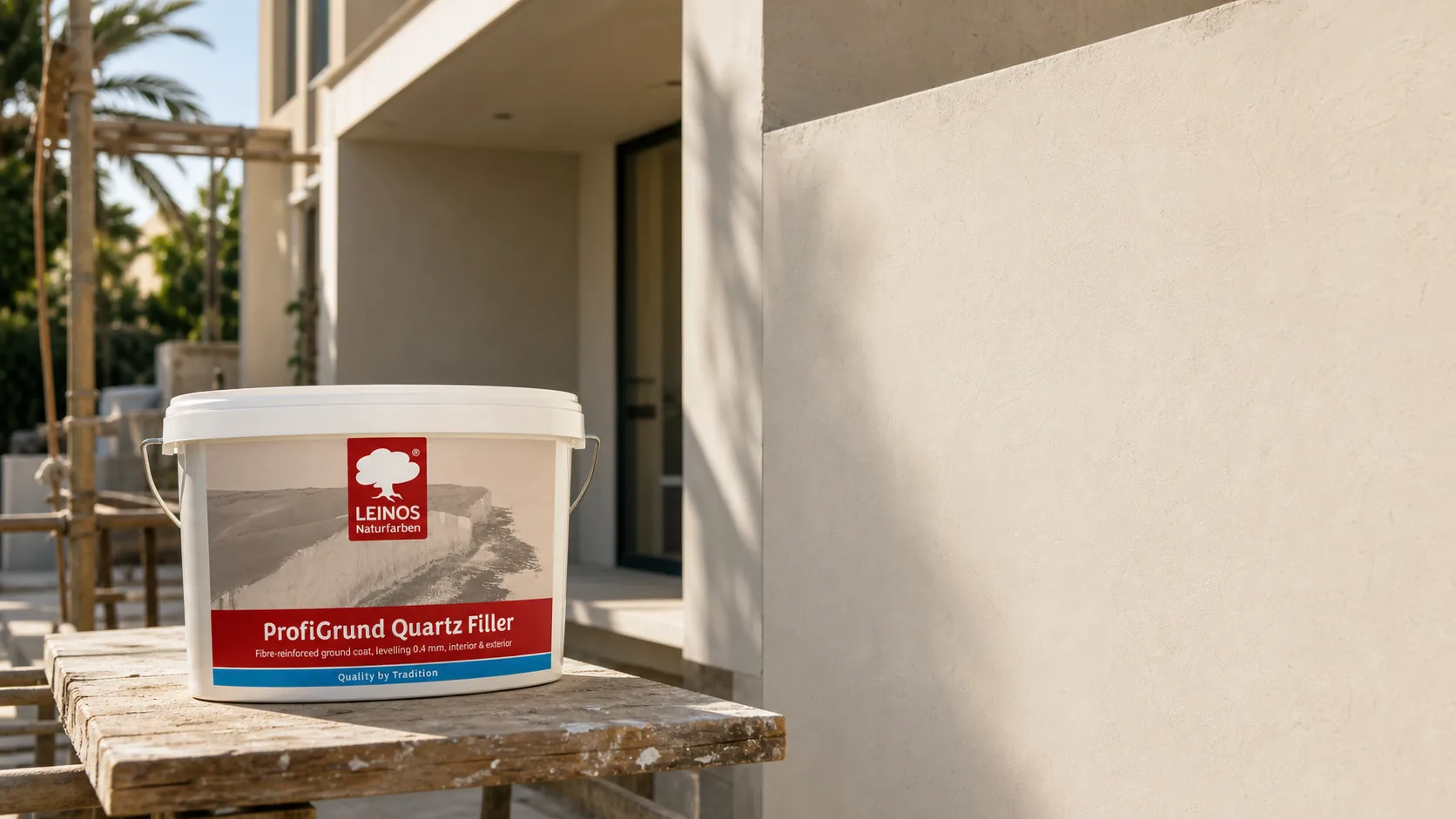
LEINOS 610 ProfiGrund — a mineral water-glass filler-primer reinforced with cellulose fibres and 0.4 mm quartz. It levels hairline cracks, plaster repairs, and structural differences full-surface, then bonds strongly to mineral and resin-bound render. Vapour- and CO₂-permeable, non-flammable, alkaline pH ≈ 11, mould- and algae-preventing. The foundation coat under both the ProfiSol and UniverSil facade systems. Made in Germany by Reincke Naturfarben since 1985.
Mechanism & Use
Cellulose fibres and 0.4 mm quartz give the coat body to level cracks and repairs; mineral water-glass bonds it to the substrate and keeps the wall breathing. A mineral foundation, not a plastic filler.
The fibre-reinforced quartz filler has enough body to bridge hairline cracks and even out plaster repairs and fine structural differences in one full-surface coat. The facade paint then lands on a uniform plane instead of telegraphing every craze line and patch beneath it.
Potassium water-glass grips strongly onto lime and cement plaster, sound load-bearing old coatings, resin-bound render, and WDVS/ETICS insulation systems alike — one mineral foundation across masonry and insulated facades, where most primers are tied to a single substrate type.
The mineral coat lets the wall breathe in both directions. Water vapour keeps moving out through the build-up instead of being held behind a sealed film, so the finished build-up does not blister or delaminate through monsoon wet-and-dry cycles the way a sealed synthetic primer can.
The high-pH mineral surface denies mould, algae, and fungi a foothold from the base coat up — protection built into the mineral chemistry, not a leaching biocide additive. It carries through into the durability of the whole facade system.
Where It Lives
Hairline-cracked plaster facades before repaint
Aged exterior render laced with craze and hairline cracks. One full-surface ProfiGrund coat slurries the cracks and evens the structure, so the ProfiSol or UniverSil topcoat lands on a uniform plane instead of tracing every line beneath it.
Patch-repaired render and plaster
After spot repairs, the wall reads as a patchwork of different textures and absorbencies. ProfiGrund’s fibre-reinforced quartz body levels the repairs into the surrounding plaster and regulates the draw before the facade paint.
WDVS/ETICS insulated facades
Thermal-insulation composite systems need an adhesion-and-levelling base before the mineral topcoat. ProfiGrund grips the render coat of the ETICS build-up and evens fine structural differences, keeping the system vapour-open.
Renovating sound resin-bound / dispersion old coatings
Where a firmly adhering synthetic-resin or dispersion old coat is being renovated to a mineral facade system, ProfiGrund provides a grip-and-levelling coat that both mineral and resin-bound topcoats can be built over.
Heritage masonry facades in conservation repaint
Historic plastered elevations where a vapour-open, mineral, biocide-free foundation matters. ProfiGrund levels the old surface and keeps the whole facade breathing — a conservation-grade base for a mineral topcoat.
High-exposure weather elevations
Wind- and rain-driven facades where the durability of the build-up depends on the foundation. A uniform, well-bonded ProfiGrund base under ProfiSol or UniverSil carries the mineral system’s longevity from the first coat.
Compliance · Natural Ingredients · EU
Three anchors that let architects specify 610 as the foundation coat of a mineral facade system without disclaimers.
Institutional Pledge
Reincke Naturfarben — full-ingredient-disclosure pledge for natural building products.
The TDS is downloadable below. Where you need a written specification packet — full ingredient declaration, VOC compliance letter for an architect’s submittal, or a facade build-up compatibility statement for a ProfiSol/UniverSil or WDVS/ETICS system — it is available to architects and contractors on request. The safety data sheet is supplied on request. Use Get Expert Advice above.
Read The Full TDSStep by Step
Prepare the substrate. All surfaces are prepared per VOB Part C DIN 18363 — clean, firm, dry, and load-bearing. Repair holes and break-outs with a structurally matching material and let them dry fully. Assess doubtful substrates individually and lay a sample area first. Very absorbent or friable substrates are consolidated first with LEINOS 611 Profi-Fixativ.
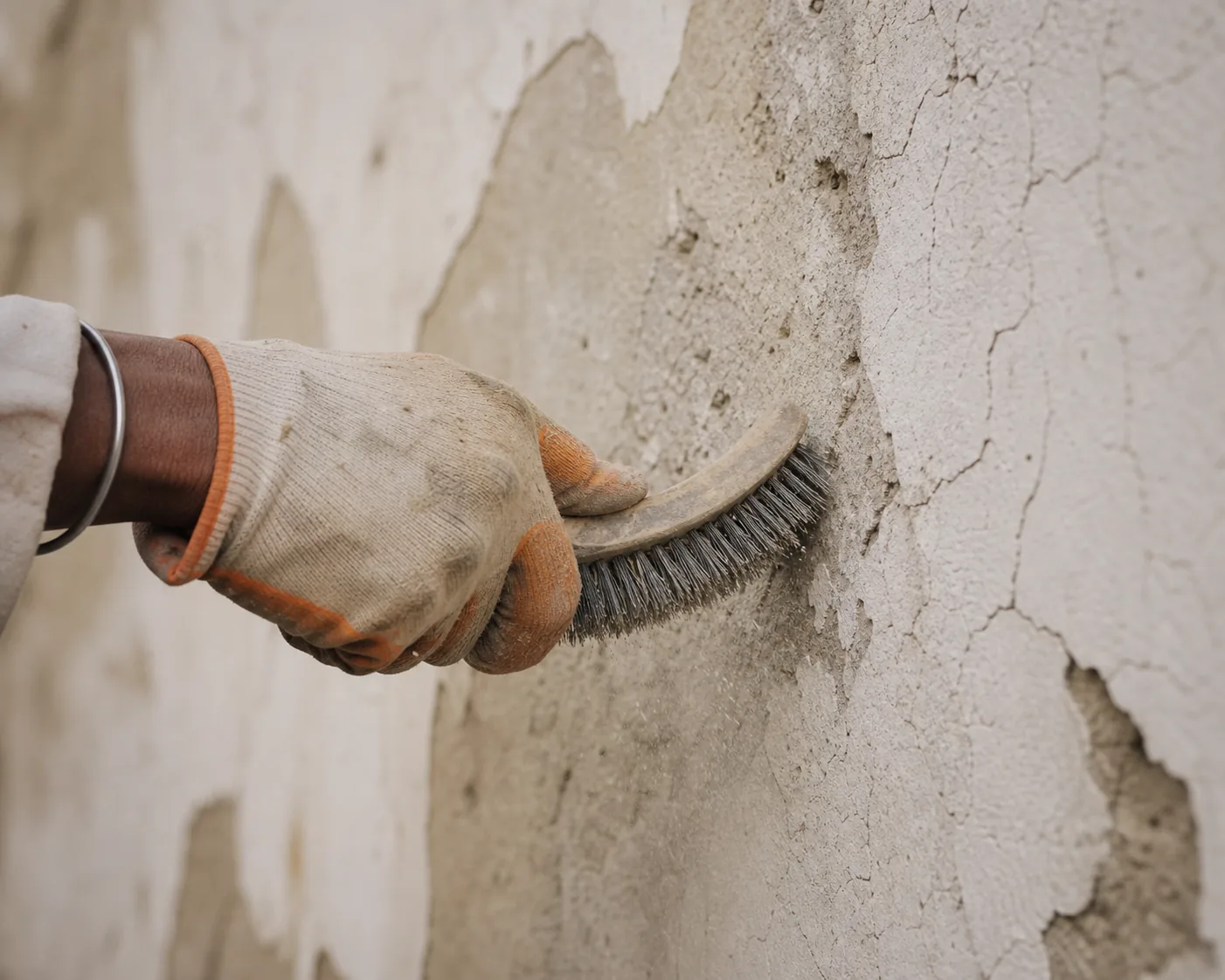
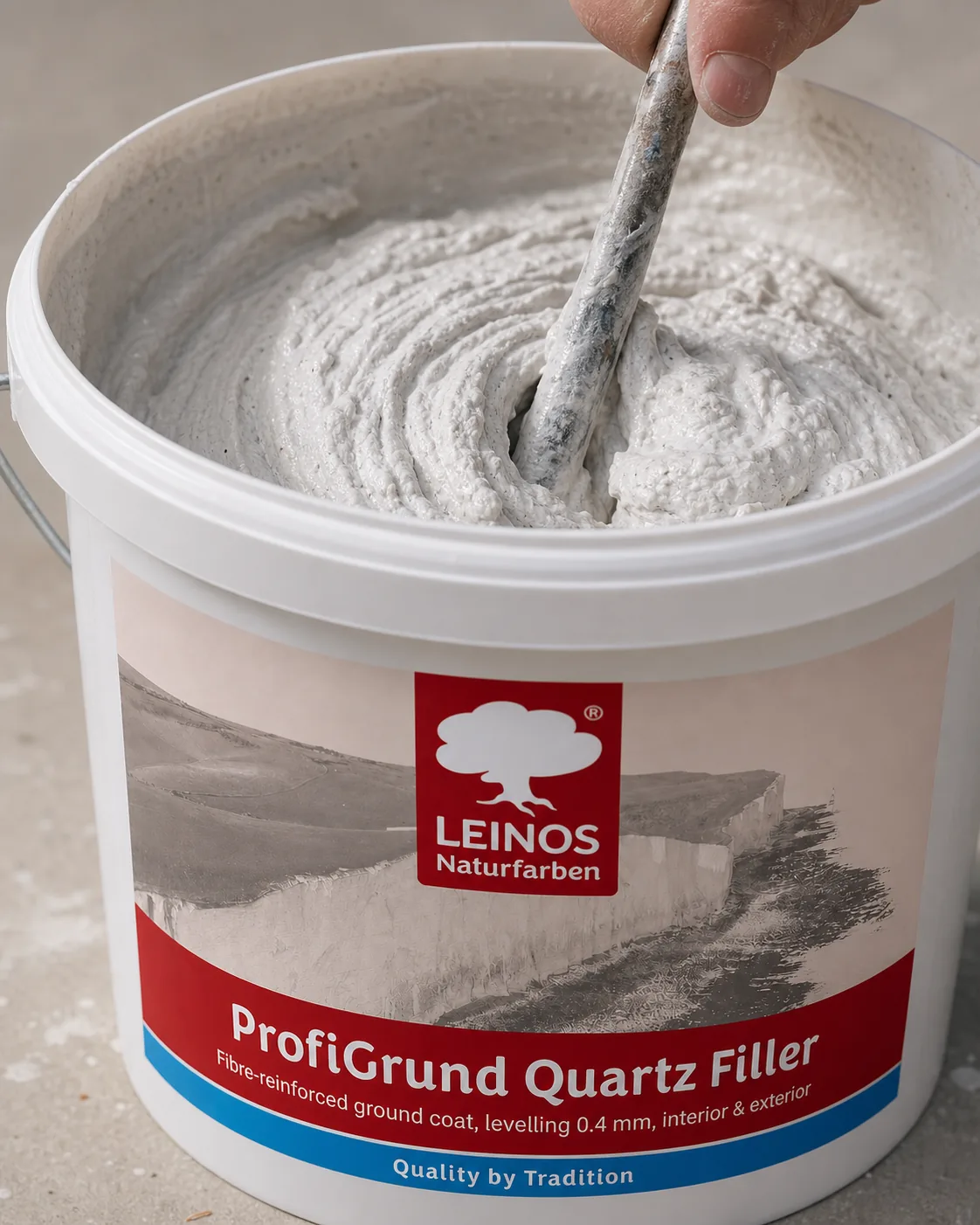
Stir thoroughly and sieve. ProfiGrund settles and skins in the pail — stir the LEINOS 610 bucket well and sieve the material to remove any dried particles from the rim or lid before use. This material-typical step gives an even, blemish-free ground coat.
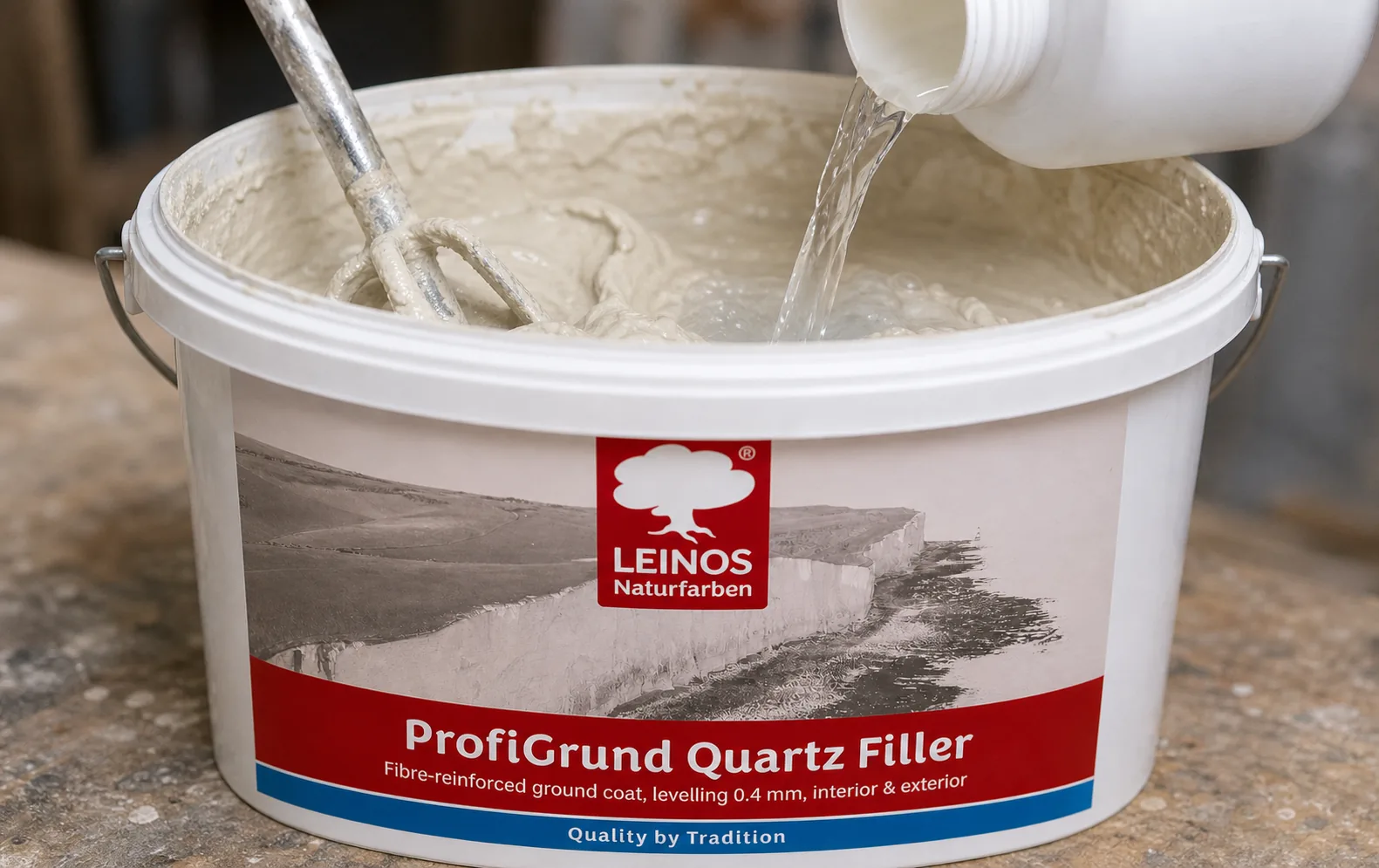
Adjust with Profi-Fixativ. Add 10–20% LEINOS 611 Profi-Fixativ to suit the substrate and your working method — brush, roller, or airless. The clear water-glass fixativ regulates absorbency and workability without weakening the mineral bond.
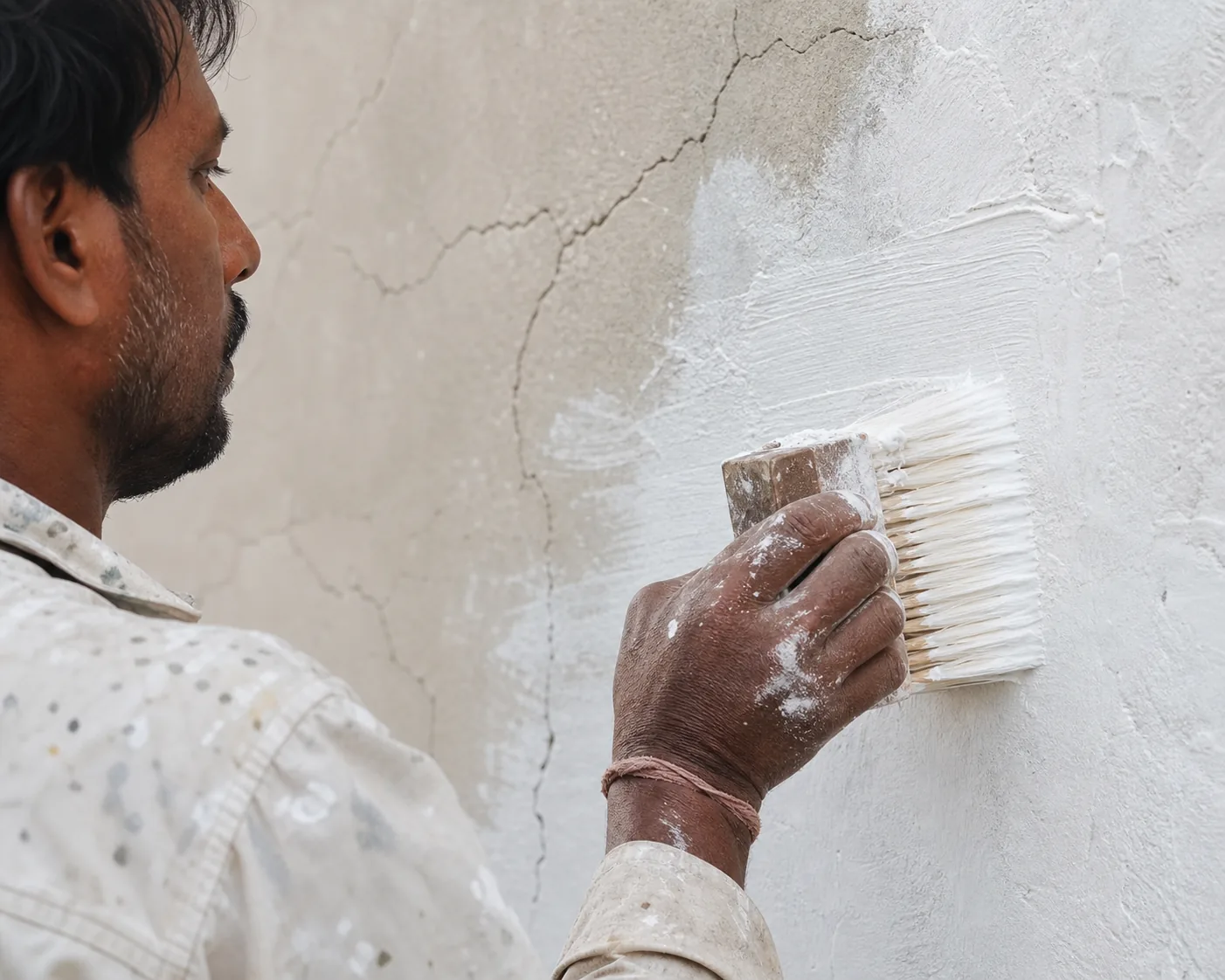
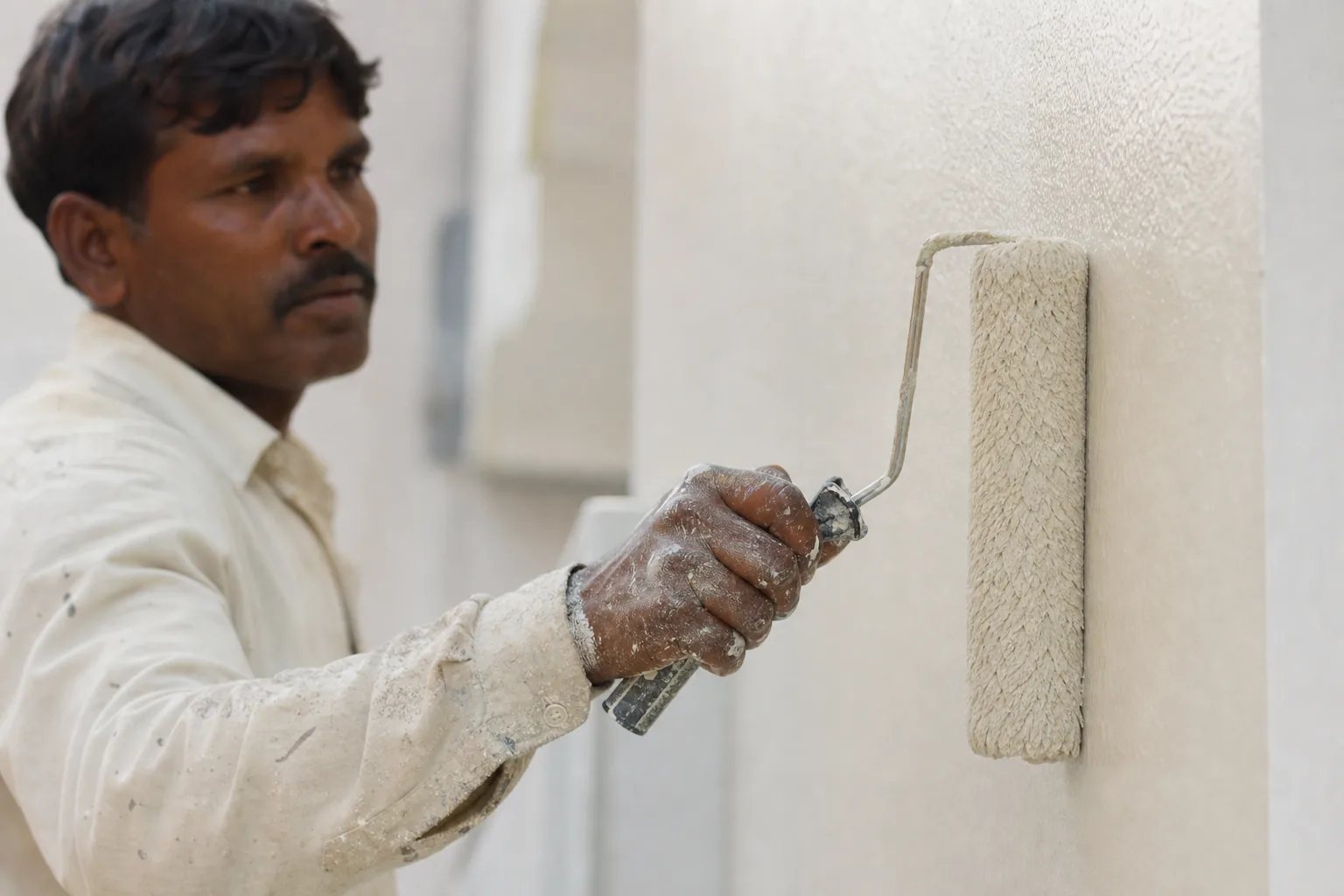
Apply the ground coat full-surface. Work the coat evenly across the whole wall — brush is recommended, roller or airless also work. Slurry every hairline crack carefully and smooth the transitions so the surface reads as one uniform plane. Do not apply below +8°C, in direct sun, or on a heated substrate.
Let it dry, protected. Allow at least 12 hours before overcoating; protect the fresh coat from rain, direct sun, and heat while it sets. Silicate ground coats need this window to firm up into a sound mineral plane.
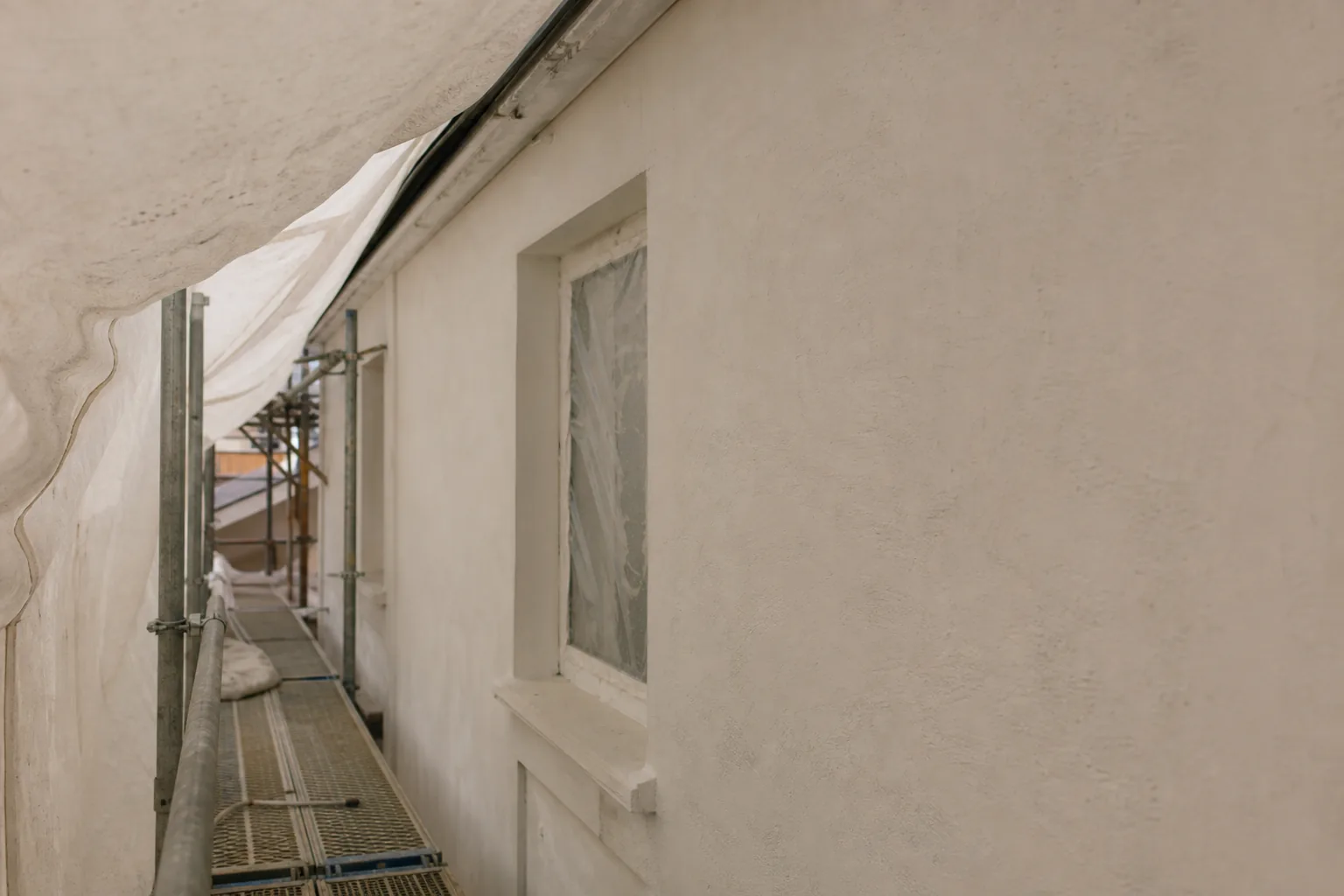
Overcoat with the facade paint. ProfiGrund is a foundation, never a finish — overcoat it with LEINOS ProfiSol Facade Paint Fine 612 or UniverSil Facade Paint Fine 614. Clean tools, substrate, and clothing immediately with water.
Application Conditions
Coats & Recoating
Cleaning & Storage
First time with ProfiGrund Quartz Filler? Our technical team runs complimentary on-site walkthroughs for contractors — full application protocol, start to finish.
System & Substrates
ProfiGrund levels and bonds the wall; 611 Profi-Fixativ consolidates and thins it; ProfiSol or UniverSil fine facade paint finishes. A mineral, vapour-open build-up — ProfiGrund is a ground coat, never a finish.
The Coating System
Primer plus topcoat — the full chain.
Substrate Fit
Suitable
Honest Limits
Use With Care
Coverage & Pack Sizes
One full-surface ground coat, roughly 27–43 sq ft per kilogram (≈ 0.25–0.4 kg/m²). Rough or highly absorbent render uses more; the figure below is per single ground coat.
8kg
Covers
215–345 sq ft
1 coat, smooth mineral
Best For
One elevation, patch-levelling, or a single facade repair.
20kg
Covers
540–860 sq ft
1 coat, smooth mineral
Best For
Full building envelope or a multi-facade renovation.
Enter your area to see how much material — and the most efficient pack mix — you’ll need for 1 coat.
Full calculatorRelated Work
Documented mineral surface projects. Captions show which LEINOS finish was used.
Full Declaration
Every ingredient declared on the label. The Trust Hub explains what each one does and the standards behind it.
Mineral Water Glass
Potassium water-glass — the mineral binder. It grips onto lime and cement plaster, resin-bound render, and WDVS/ETICS, and silicifies into a mineral layer of the wall rather than forming a plastic film. Solvent-free, water-borne.
Silicifiable Quartz Fillers (0.4 mm)
Graded quartz gives the coat its levelling body — enough to bridge hairline cracks and even plaster repairs and structural differences in one full-surface ground coat.
Cellulose Fibres
Natural fibre reinforcement that bridges hairline cracks and holds the ground coat together across the wall, so the levelled surface stays sound under the facade paint.
Organic Additives (< 5%)
A small organic additive fraction (under 5%, per VOB/C DIN 18363 2.4.1) for workability, without compromising the mineral, vapour-open character of the coat.
Got Questions?
Quick answers on formulation, application and Indian-climate suitability. Pulled from our full FAQ and TDS library.
For Architects & Specifiers
Technical and safety documents — citable in project specifications.
Need a Recommendation?
Four ways to reach our India team — pick the one that fits how you work.
For Trade & Specifiers
Full TDS / SDS library, specification support and trade pricing — direct from the manufacturer.
Documents
TDS / SDS
Per-product datasheets and safety sheets, downloadable in English.
Specification
NCS Match
Custom colour briefs and material samples mixed at our Delhi lab.
Trade
Direct Pricing
Volume tiers, project quoting and stock allocation through our trade desk.
Written by the LEINOS India technical team, in collaboration with
Reincke Naturfarben R&D, Lower Saxony.
Last updated
Want to represent LEINOS in your city?
Become a Dealer