

0.25L
Covers
15–25 sq ft
3 coats, absorbent wood
Best For
Touch-ups, spot repairs, and sample swatches before full spec.
INTERIOR WOOD FINISH · ART. 259
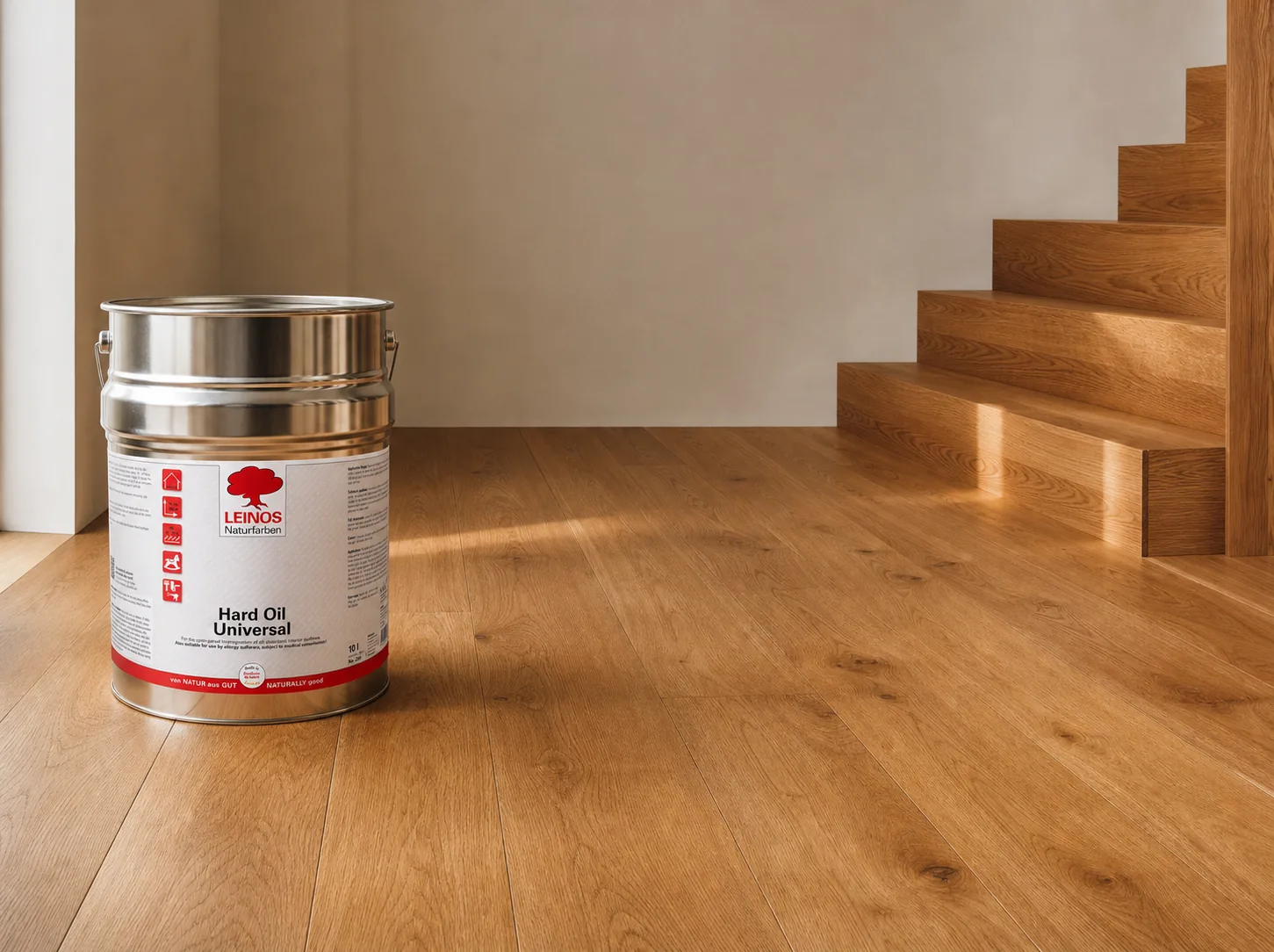
LEINOS 259 Hard Oil Universal — EN 71-3 tested and biocide-free. Linseed and heat-bodied wood-oil stand oils harden inside the pore, so a single tin primes and finishes every absorbent interior surface: wood floors, cork, stairs, unglazed tiles and OSB.
Ready-Mix Shades
9 ready-mix shades — from Colourless through Pine, Walnut and Amber to Grey and Black. Custom NCS or RAL tinting available at our Delhi lab.
002
Colourless
022
Pine
062
Walnut
092
Chestnut
101
Double White
142
Amber
202
White
212
Grey
307
Black
Wood is a living material — actual colour depends on species, grain density, and substrate age. Each shade you see here is a reference. Our specialists confirm the final match with you before specification.
Beyond the Standard Range
Custom NCS or RAL tinting at our Delhi lab — any architectural reference matched across the full colour palette. Bring the spec, take the shade home.
Light, absorbent substrates can dry a touch darker, and each timber “fires up” differently by grain — a test-coat with colour match is essential. Colourless (002) adds water-repellency and enriches the grain without adding a tint.
Mechanism & Use
Penetrating oil-resin finish with heat-bodied stand oils that harden inside the surface — one oil that primes and finishes wood, cork, tile and OSB, EN 71-3 tested for interior and children’s-room use.
Linseed and heat-bodied wood-oil stand oils soak into the open pore. No surface film to scuff or peel.
Natural resin cross-links the bodied oils into a hard-wearing matrix inside the fibre.
Open-pore finish lets wood, cork, tile and OSB stay vapour-permeable and water-repellent.
One oil primes and finishes wood, cork, stairs, unglazed tiles and OSB — EN 71-3 tested and DIN 53160 saliva/sweat-fast.
Where It Lives
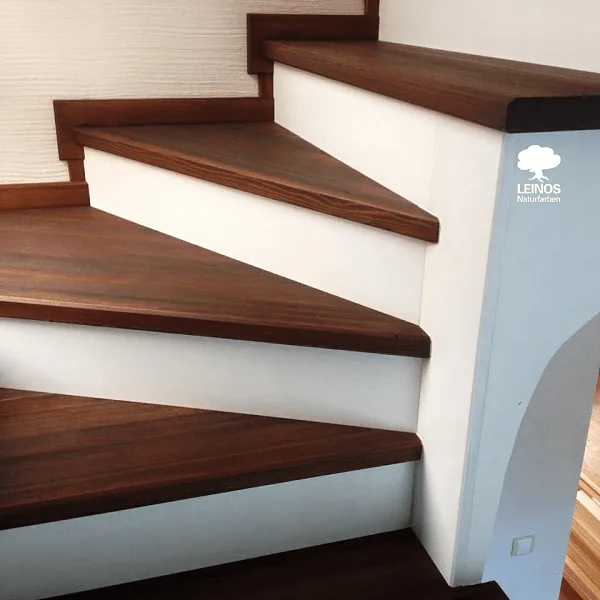
Wood floors, stairs & landings
High-traffic floors, staircases and landings that need a hard-wearing, non-film finish.
Furniture, shelving & joinery
Tables, cabinets and built-ins that stay open-pore and spot-repairable.
Children’s-room furniture
EN 71-3 tested and biocide-free — cots, toy boxes and kids’ furniture.
Cork floors & wall tiles
Absorbent cork that needs water-repellency without sealing the surface.
Unglazed clay, terracotta & stoneware tiles
Traditional Indian terracotta and unglazed stoneware — water-repellent, still breathing.
Sterling OSB & heavy-wear zones
OSB boards, hallways and worn-traffic areas where a film finish would scuff and peel.
Compliance · DIN · EN · EU
Five anchors that let architects specify 259 across interior wood, cork, tile and OSB — including children’s-room surfaces — without disclaimers.
Children’s-Furniture Safe
Migration of elements within EN 71-3 limits — specifiable for children’s-room furniture.
Institutional Pledge
Reincke Naturfarben — full-ingredient-disclosure pledge for natural building products.
Unlike film finishes that scuff, chip and peel on high-traffic interior surfaces, 259 bonds inside the surface and renews with a single brush coat — no sanding, no stripping. Full maintenance protocol in the TDS; the EN 71-3 and DIN 53160 test summaries are available to architects and contractors on request via Get Expert Advice.
Read The Full TDSStep by Step
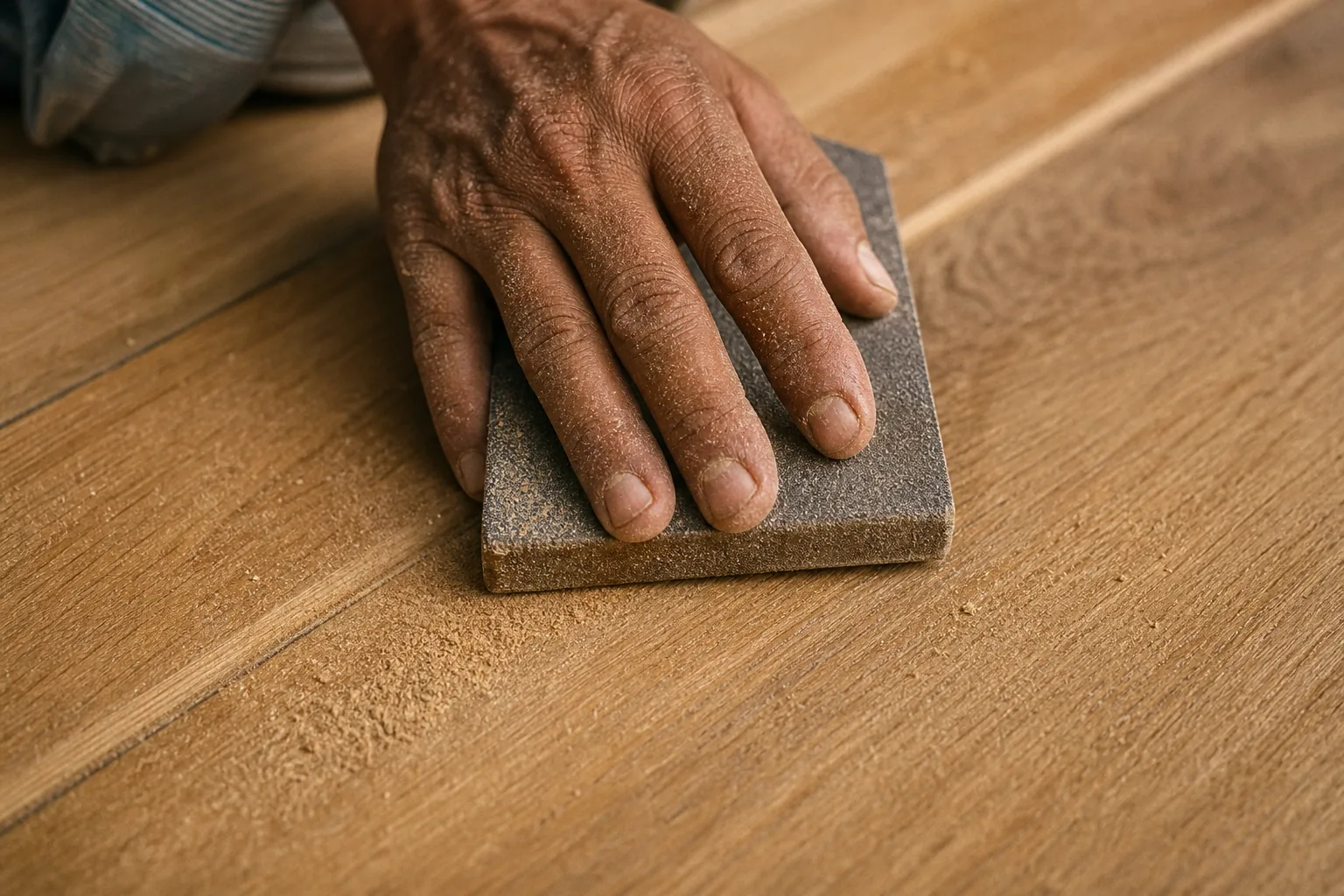
Prepare the substrate — dry, solid, clean, grease- and dust-free, and absorbent. Pre-sand wood with 150–180 grit in the direction of the grain. Remove any old film coating (PU, lacquer, varnish) or wax first — 259 needs an open, absorbent surface to penetrate.
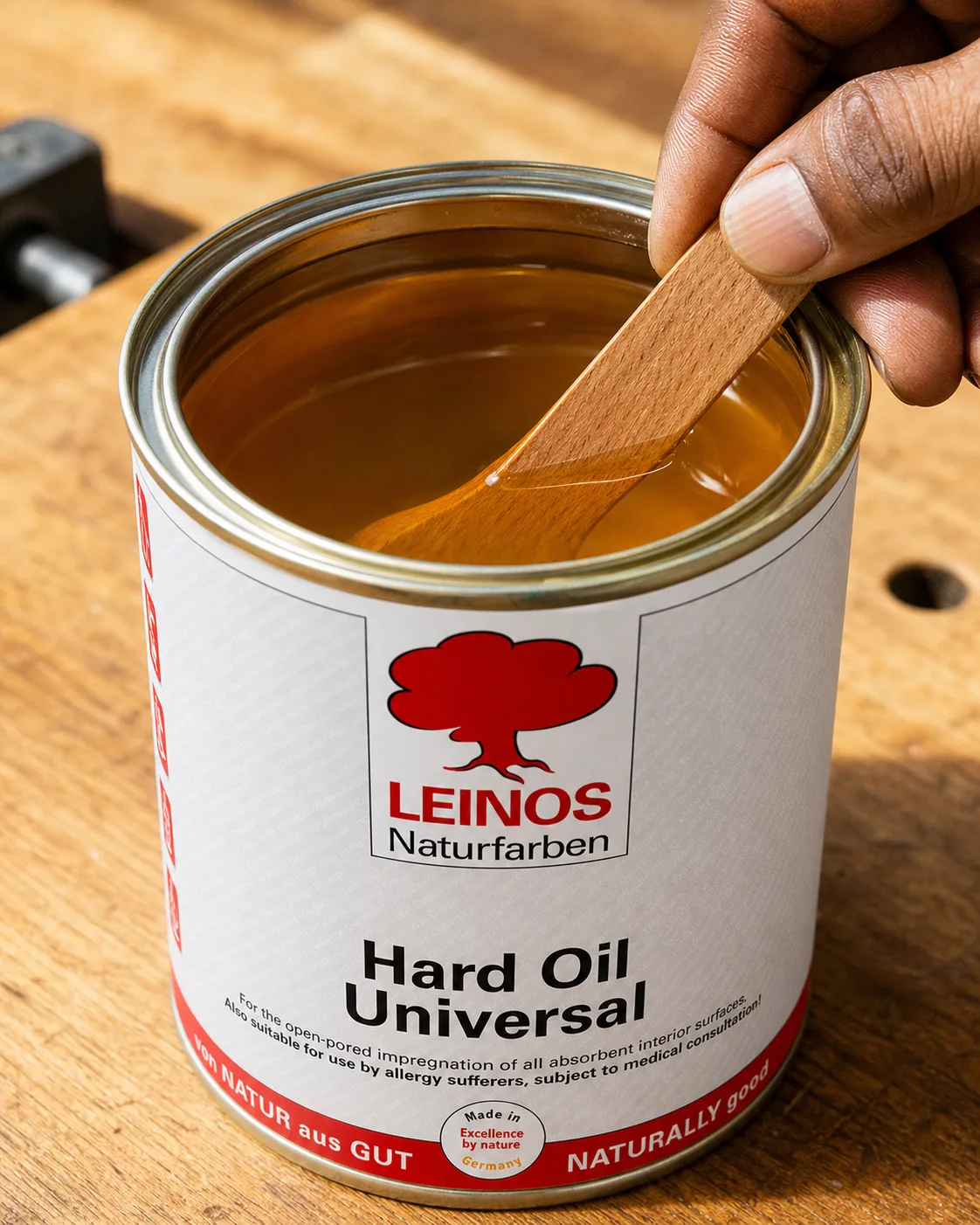
Stir thoroughly and check conditions — stir 259 well before use (natural oils and pigments settle in storage); ready to use, do not thin. Keep room and surface temperature above 15 °C throughout application and drying.
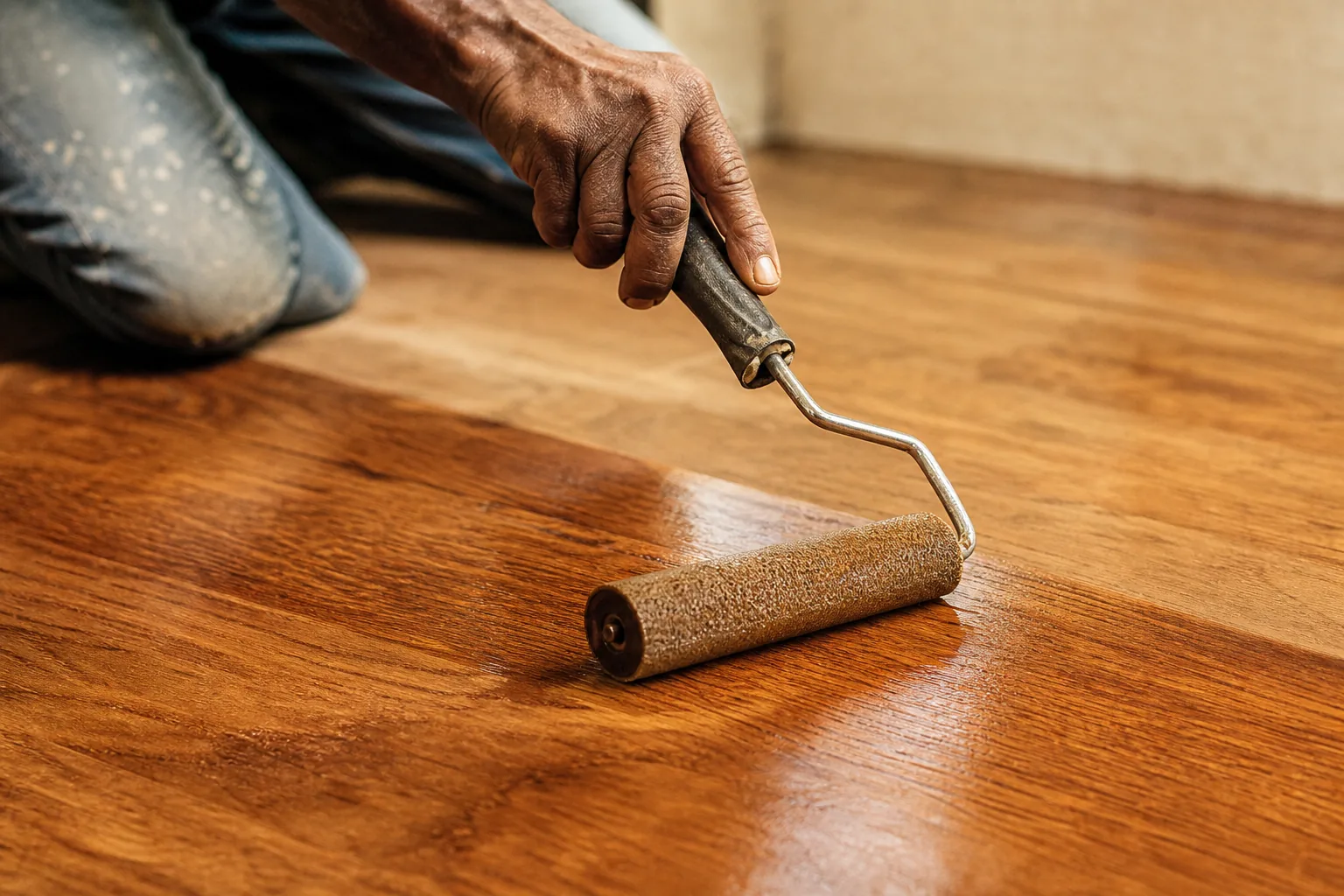
First coat — priming coat — brush, roll, spray or dip a thin, even coat with a sealing roller into the absorbent surface. Let it soak into the open pore; the tone deepens and the grain is enriched as the oil penetrates. Coverage approx. 180–270 sq ft per litre per coat.
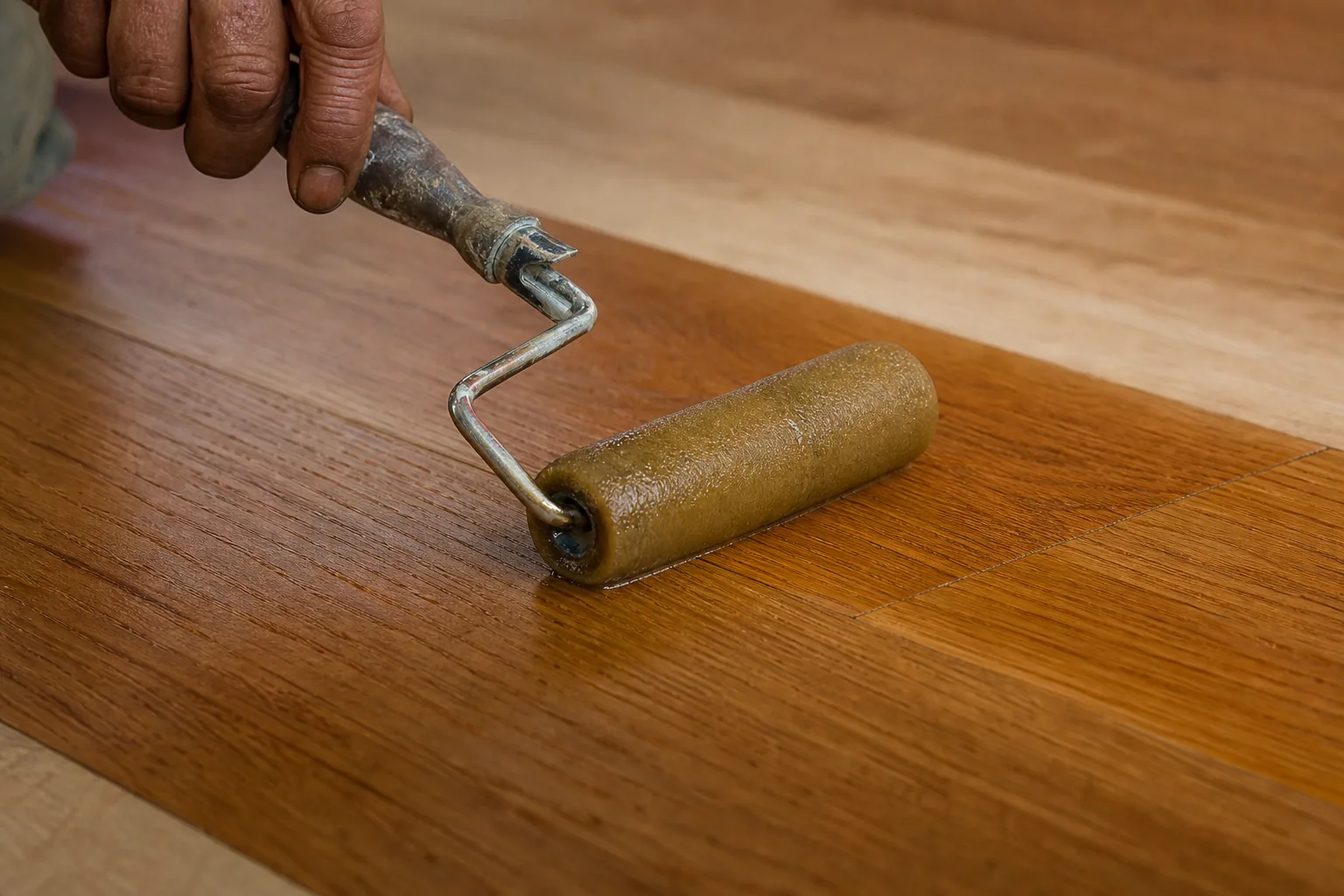
Second and third coats — 259 is a three-coat system. Apply the second and third thin coats with a sealing roller, allowing 6–8 hours drying between each coat. No intermediate sanding is needed.
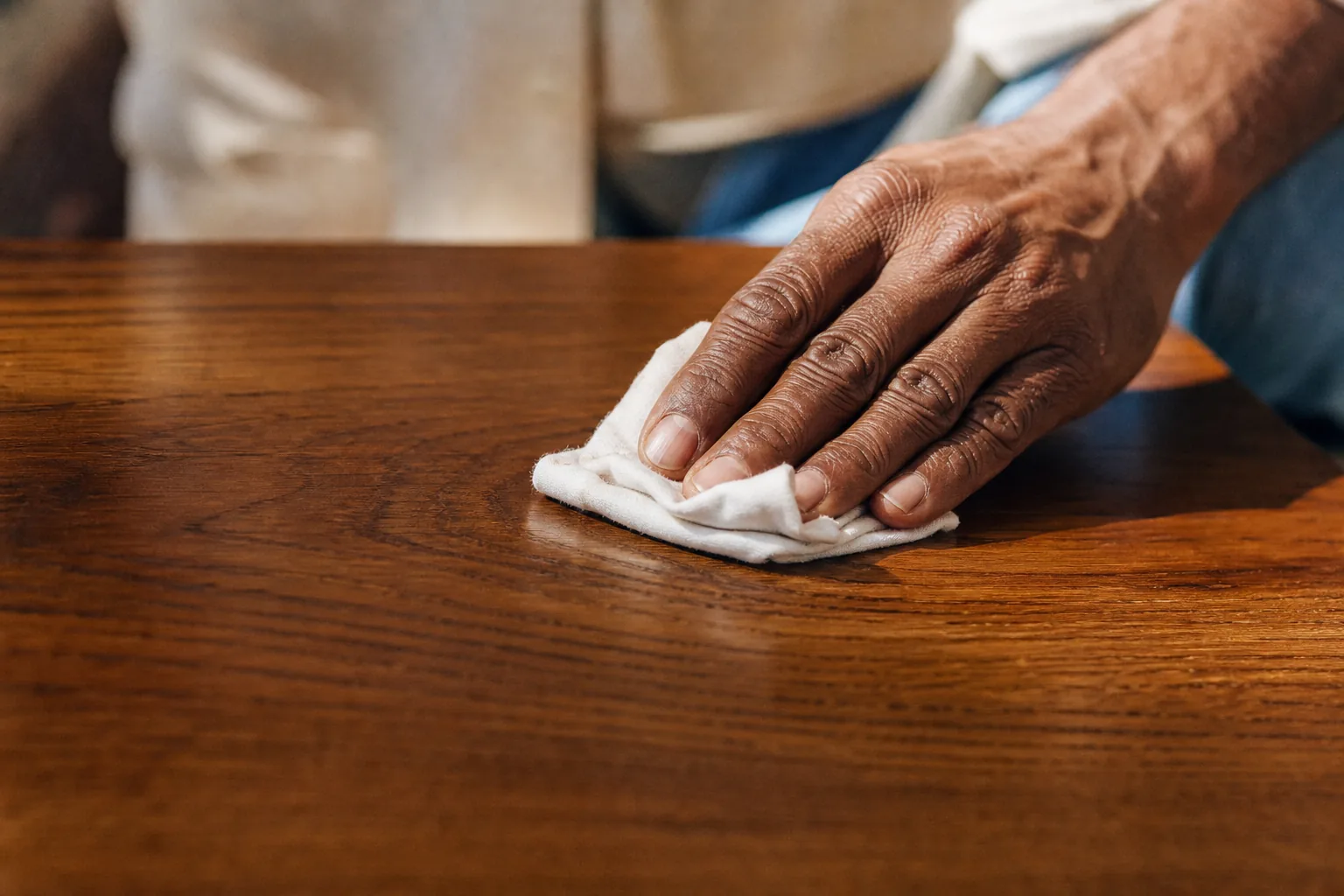
Remove any excess — surplus and overhangs must be avoided or wiped off with a lint-free cloth, leaving a dry, open-pore silky-matte finish. Any oil left standing on the surface stays tacky.
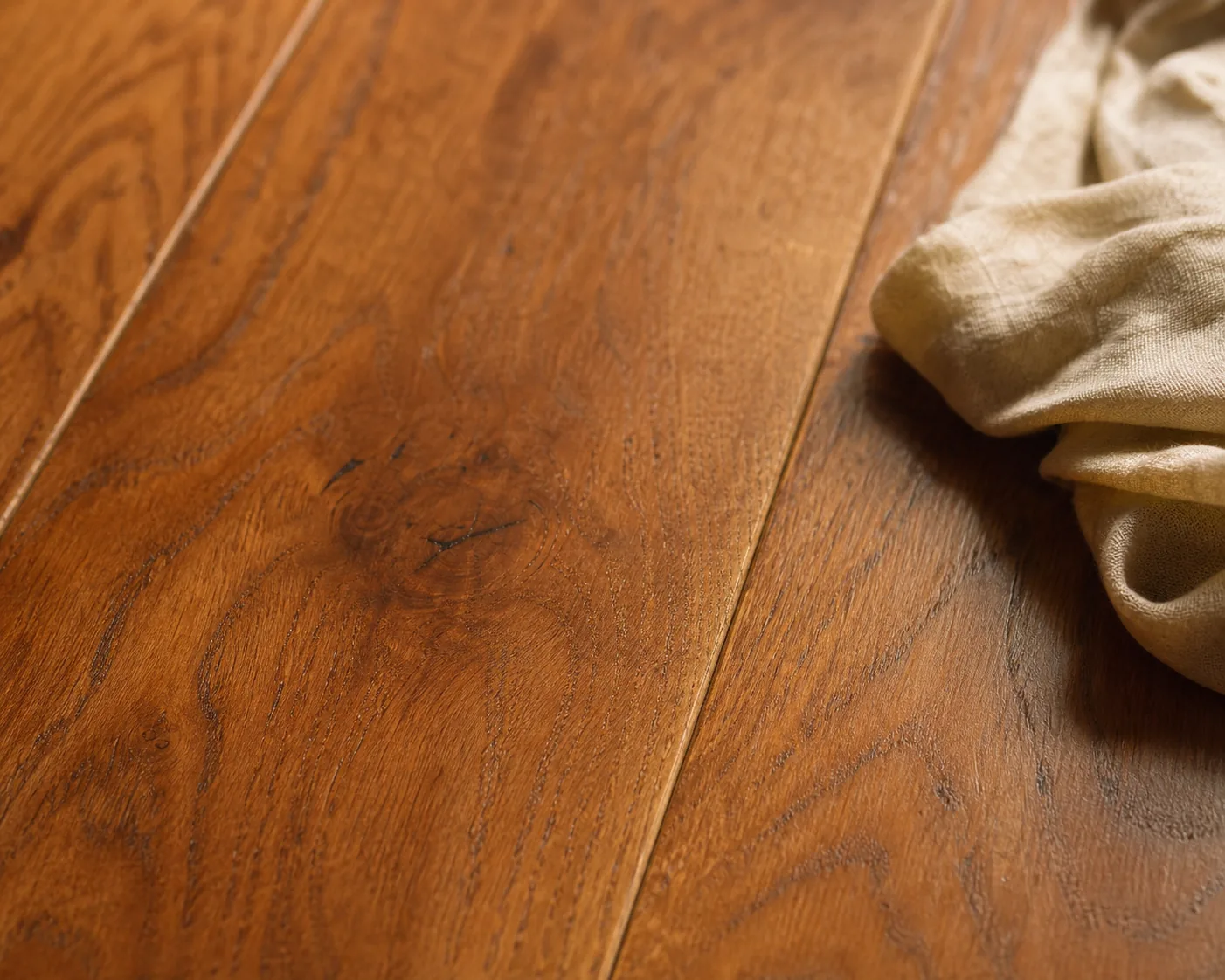
Dry, cure and care — dust-dry in approx. 6–8 h; foot-traffic safe after 16–24 h with good air circulation (a fan speeds drying and reduces odour). Maintain and refresh with LEINOS 285 Oil Refurbisher. Store oil-soaked cloths in a sealed metal container or under water — spontaneous-combustion risk.
Coats & Recoating
Cleaning & Storage
First time with Hard Oil Universal? Our technical team runs complimentary on-site walkthroughs for contractors — full application protocol, start to finish.
System & Substrates
One self-priming oil on absorbent interior surfaces — a priming coat, then two finish coats of the same 259, so there is no separate primer to buy and no sanding between coats. Maintain and refresh with 285 Oil Refurbisher.
The Coating System
The same 259 in both roles — a priming coat, then the finish coats.
Long-term Care
Extends the life of the finish over the years.
Substrate Fit
Suitable
Honest Limits
Use With Care
Coverage & Pack Sizes
Coverage on the card assumes three coats on absorbent interior surfaces. Variation depends on substrate density and absorbency.
0.25L
Covers
15–25 sq ft
3 coats, absorbent wood
Best For
Touch-ups, spot repairs, and sample swatches before full spec.
0.75L
Covers
45–70 sq ft
3 coats, absorbent wood
Best For
A single piece of furniture, a flight of stairs, or small cork or tile areas.
2.5L
Covers
150–225 sq ft
3 coats, absorbent wood
Best For
A standard room floor — the most-specified interior size.
10L
Covers
600–900 sq ft
3 coats, absorbent wood
Best For
Whole-home floors, large cork, tile or OSB areas, contract projects.
Enter your area to see how much material — and the most efficient pack mix — you’ll need for 3 coats.
Full calculatorDocumented Applications
Recent projects finished with Hard Oil Universal. Factual captions, real footage — no staged photography.
Full Declaration
Every ingredient declared on the label. The Trust Hub explains what each one does and the standards behind it.
The penetrating body. Cold-pressed linseed (flax) is the LEINOS signature drying oil; alongside it, heat-bodied wood-oil (tung) and castor stand oils are pre-polymerised, building a tougher, harder-wearing film than raw oils. All plant-derived — they polymerise with oxygen and bond inside the surface.
Natural Resin (Rosin Ester)
Pine-derived natural resin ester. Cross-links the cured oils into a hard-wearing matrix inside the fibre — the “resin” in the brand’s oil-resin chemistry, and the “hard” in Hard Oil.
Isoparaffin Carrier
Plant-derived isoparaffin solvent carrier. It thins the oil for even penetration and evaporates fully on cure, leaving the oil-resin matrix bonded in the surface.
Driers
Trace metal siccatives that speed the oxidative polymerisation of the drying oils so the three coats cure on schedule.
Mineral Pigments (tinted shades)
Earth and mineral pigments give the nine factory tones; the Colourless (002) base contains none. There is no IPBC and no biocide of any kind — 259 is biocide-free, since interior surfaces do not face the blue-stain fungi that attack exterior timber.
Got Questions?
Quick answers on formulation, application and Indian-climate suitability. Pulled from our full FAQ and TDS library.
For Architects & Specifiers
Technical and safety documents — citable in project specifications.
Need a Recommendation?
Four ways to reach our India team — pick the one that fits how you work.
For Trade & Specifiers
Full TDS / SDS library, specification support and trade pricing — direct from the manufacturer.
Documents
TDS / SDS
Per-product datasheets and safety sheets, downloadable in English.
Specification
NCS Match
Custom colour briefs and material samples mixed at our Delhi lab.
Trade
Direct Pricing
Volume tiers, project quoting and stock allocation through our trade desk.
Written by the LEINOS India technical team, in collaboration with
Reincke Naturfarben R&D, Lower Saxony.
Last updated
Want to represent LEINOS in your city?
Become a Dealer