

2.5L
Covers
70–135 sq ft
2 coats, absorbent mineral
Best For
Single feature wall, accent area, or small bedroom.
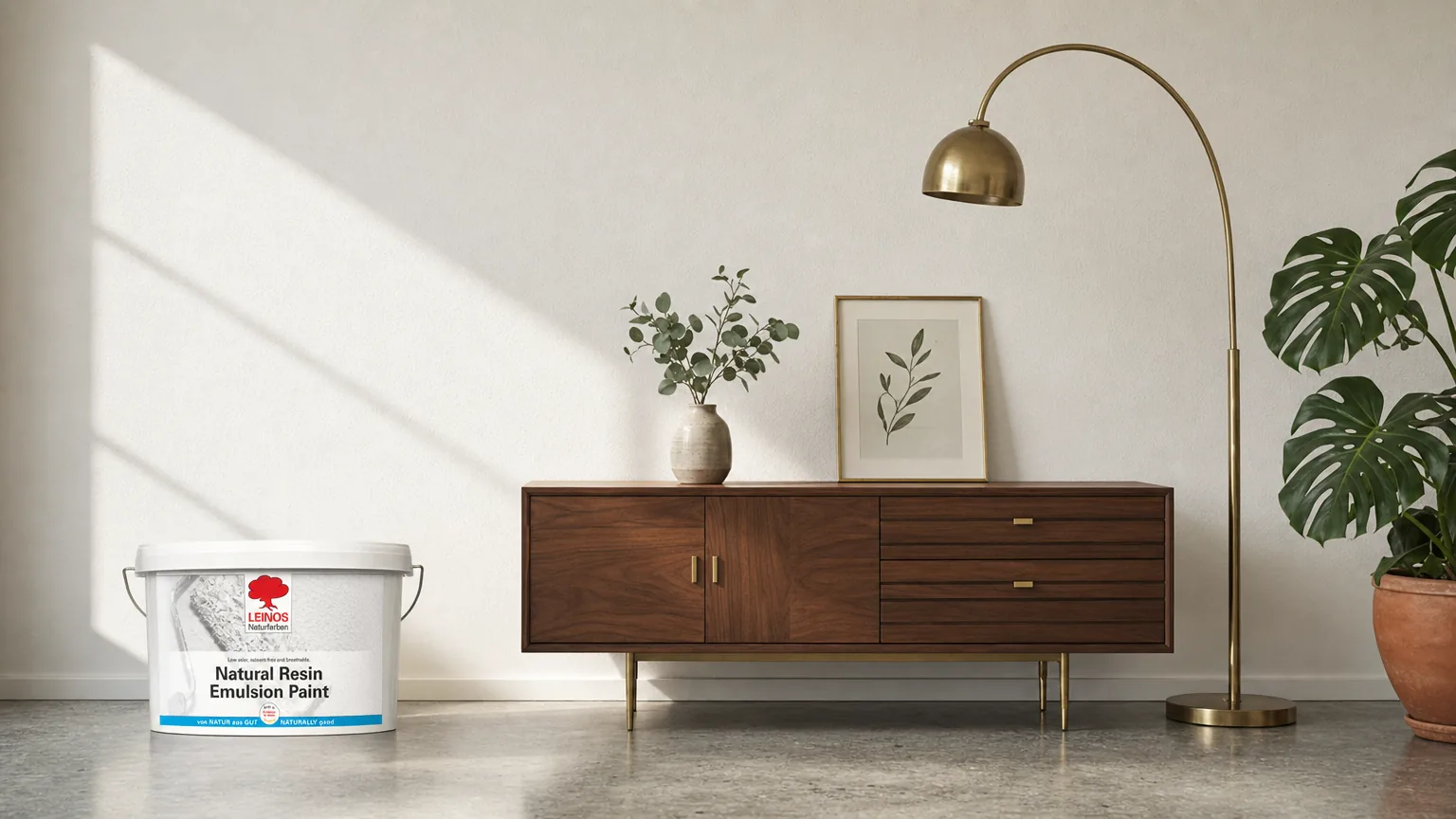
NATURAL RESIN EMULSION PAINT · ART. 660
LEINOS 660 — natural-resin emulsion paint for modern Indian interiors. Wet-scrub washable (Class 3, DIN EN ISO 11998). Vapour-permeable (Class 1, DIN EN ISO 7783-2). Solvent-free. Made in Germany by Reincke Naturfarben since 1985.
Mechanism & Use
Plant-derived natural resin binds the paint film instead of synthetic acrylic polymer. The mineral fillers carry opacity and matt depth. The film stays open-pore enough to let the wall breathe — and dense enough to wash. Conventional acrylic emulsion gives up one for the other.
Plant-derived natural-resin emulsion (rosin-ester family) replaces synthetic acrylic polymer as the film-forming binder. Sits inside the LEINOS natural-materials canon — the same brand position as the linseed-oil wood-finish line.
Highest EU classification. The cured film stays open-pore — water vapour passes freely in both directions. Acrylic emulsion traps moisture between polymer film and plaster: the failure mode behind monsoon-cycle blistering.
TDS explicit. Damp cloth or mild detergent handles kitchen splashback, hallway scuffs, bedroom corridor maintenance. Breathability is not given up for washability — both simultaneous, which acrylic emulsion cannot do.
TDS explicit on substrate range. Modern Indian apartments mix substrates: lime and cement plaster, gypsum board, bonded ingrain wallpaper. 660 covers all three; chalking or highly absorbent surfaces get LEINOS 620 Deep Sealer first.
Where It Lives
Modern Bangalore + Mumbai apartment interiors
Mid-mod fit-outs, contemporary residential remodels, the everyday Indian apartment substrate stack — mineral plaster, gypsum board partition walls, bonded wallpaper feature walls. 660 over 620 primer (where the wall is chalking or highly absorbent) reads as a soft matt natural-finish wall that behaves the way premium European interior paint is supposed to.
Bedrooms, nurseries, and living rooms with breathability concerns
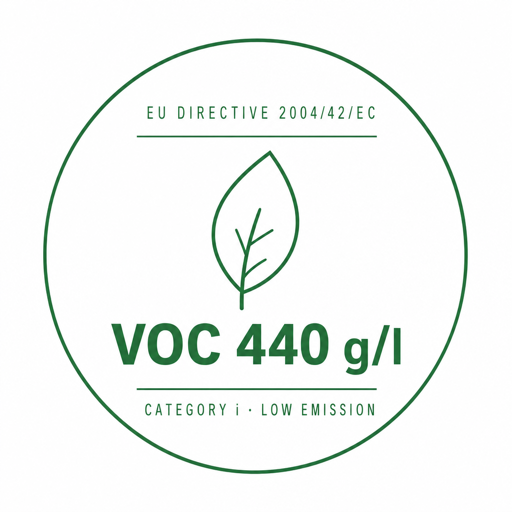
Solvent-free, very low VOC (<1 g/l Cat. a). No off-gassing window comparable to solvent-based or high-VOC acrylic emulsion paints, no acrylic plastic film between occupant and substrate. Paint Thursday, sleep in the room Friday — the contractor pain of two-week off-gassing windows with conventional emulsion does not apply.
Kitchens, hallways, and high-traffic interior walls
Wet-scrub washable Class 3 (DIN EN ISO 11998). The cleanable wall paint without the acrylic polymer film. Kitchen splashback zones around the stove, hallway scuff zones, bedroom corridors with regular hand-print exposure — all within standard interior wall paint maintenance frequency (damp-cloth wipe, mild detergent for marks).
Studios, offices, co-working interiors, art galleries
Matt finish with even hiding power and natural mineral-loaded depth — the wall reads as wall, not as a plastic surface. The non-glare matt suits art display lighting and architectural photography. Repaint cycle aligned with conventional interior emulsion frequency.
Restored shell apartments + heritage-building modern fit-outs
Mixed-substrate walls — original lime plaster patches alongside modern gypsum board partition repairs. 620 primer first evens the absorbency canvas; 660 then goes on as a unified contemporary matt natural-finish wall across the substrate mix.
Wellness studios + yoga shalas where 665 is too humid-room-specific
Where the wellness register demands a natural-chemistry wall paint but the specific lime-paint humid-room canon does not apply — dry meditation rooms, treatment rooms, reception interiors. 660 carries the natural-resin binder story without the alkaline lime-paint workflow that requires substrate know-how.
Compliance · Natural Ingredients · EU
Three anchors that let architects specify 660 for residential and commercial interiors without the acrylic-polymer disclosure.
EU Compliance
EU limit 30 g/l · Cat. a interior matt walls (water-borne) · Directive 2004/42/EC.
Institutional Pledge
Reincke Naturfarben — full-ingredient-disclosure pledge for natural building products.
The TDS is downloadable below. Where you need a written specification packet — full ingredient declaration, VOC compliance letter for an architect’s submittal, substrate-compatibility statement for a mixed-substrate apartment fit-out, or a low-emission performance brief for a nursery or wellness interior — it is available to architects and contractors on request. Use Get Expert Advice above.
Read The Full TDSStep by Step
Substrate inspection — wall must be dry, free of dust and grease, moderately absorbent, free of efflorescence and fungi. Strip distemper completely; remove flaking paint. Dense existing coatings (latex emulsion, lacquer) must be sanded to break the glossy seal. New base plasters cured 2-3 weeks. Strongly alkaline fresh substrates must be neutralised before painting.
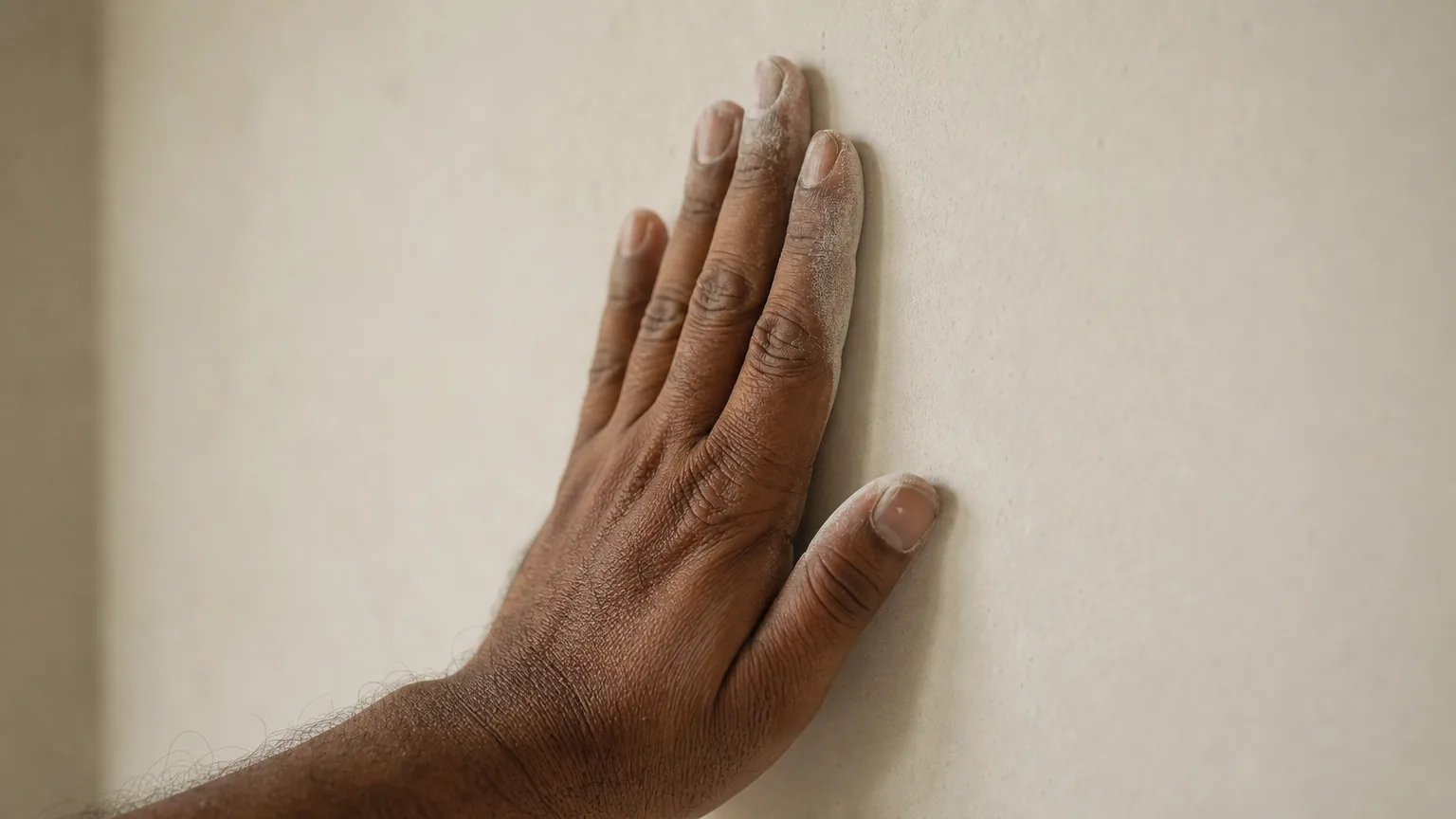
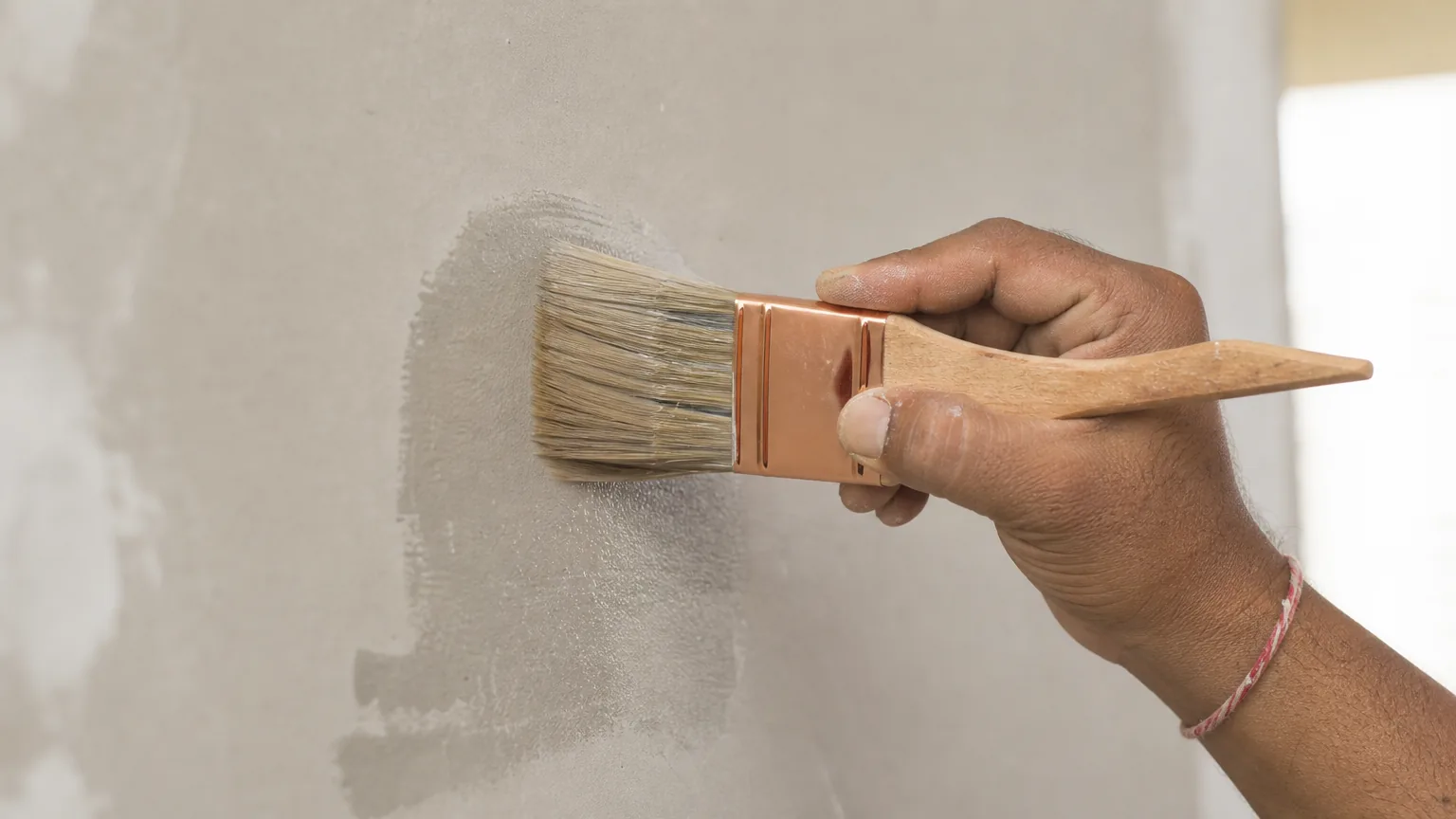
Prime new plaster, drywall, and highly absorbent surfaces with LEINOS 620 Deep Sealer. For sound, firmly adhering existing emulsion coatings or new unpainted wallpaper, primer is not required — apply 660 directly. For chalking old paint, very porous cement, or mixed-substrate shells, 620 first evens the absorbency canvas.
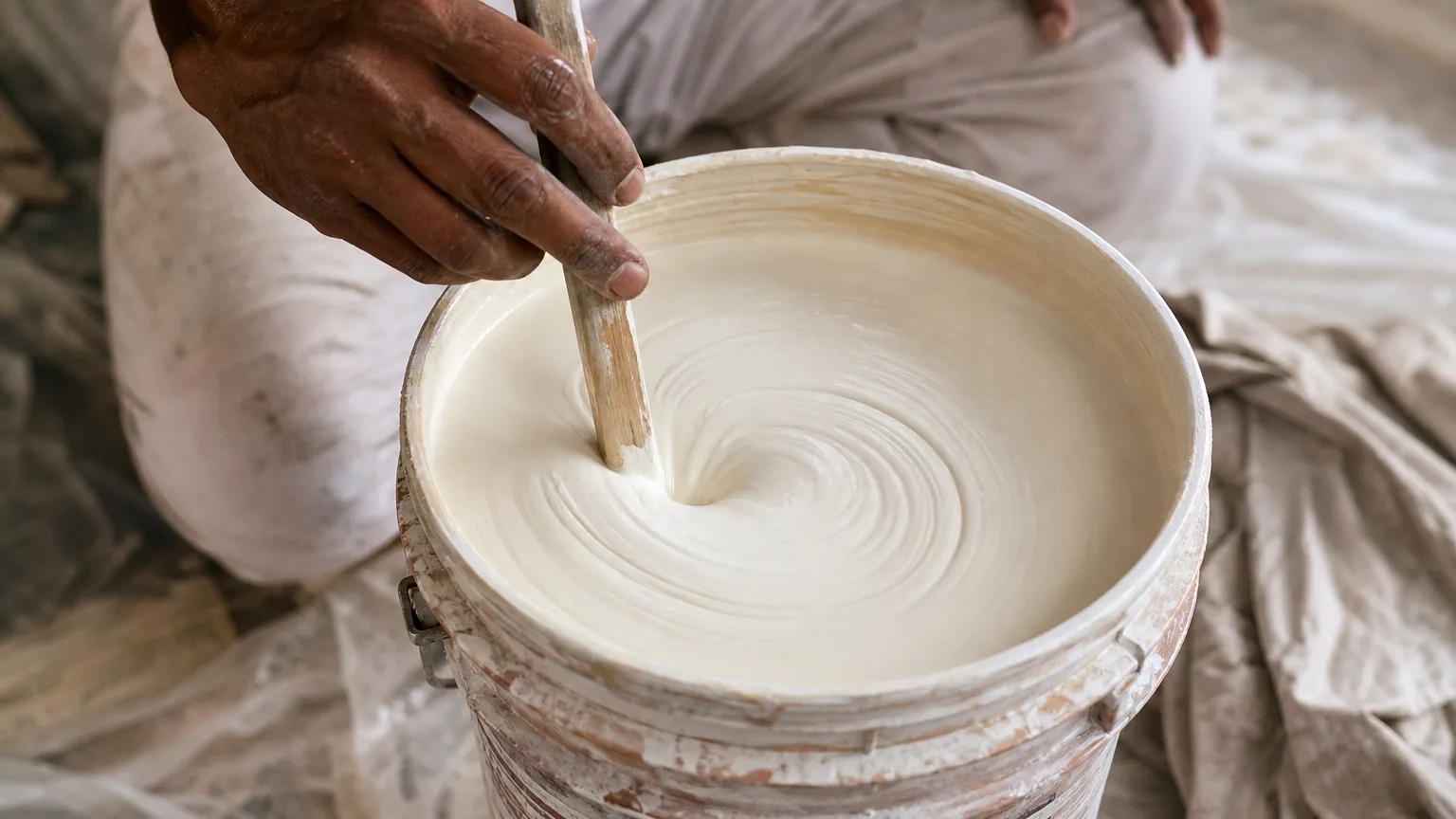
Stir well before use until the mineral fillers are fully dispersed and the colour reads uniform. Supplied ready-to-use; no thinning required per official specification. For custom shades, tint with LEINOS 668 Pigment Concentrate during preparation.
First coat — apply by brush, roller, or airless spray at room temperature above 12 °C. Airless: nozzles 0.38-0.43 mm, spray angle 30°-40°, filter 100-50 mesh. Regular overlapping strokes; on roller, finish with light vertical strokes to even the stipple. Full hiding power typically achieved with two coats per official specification.
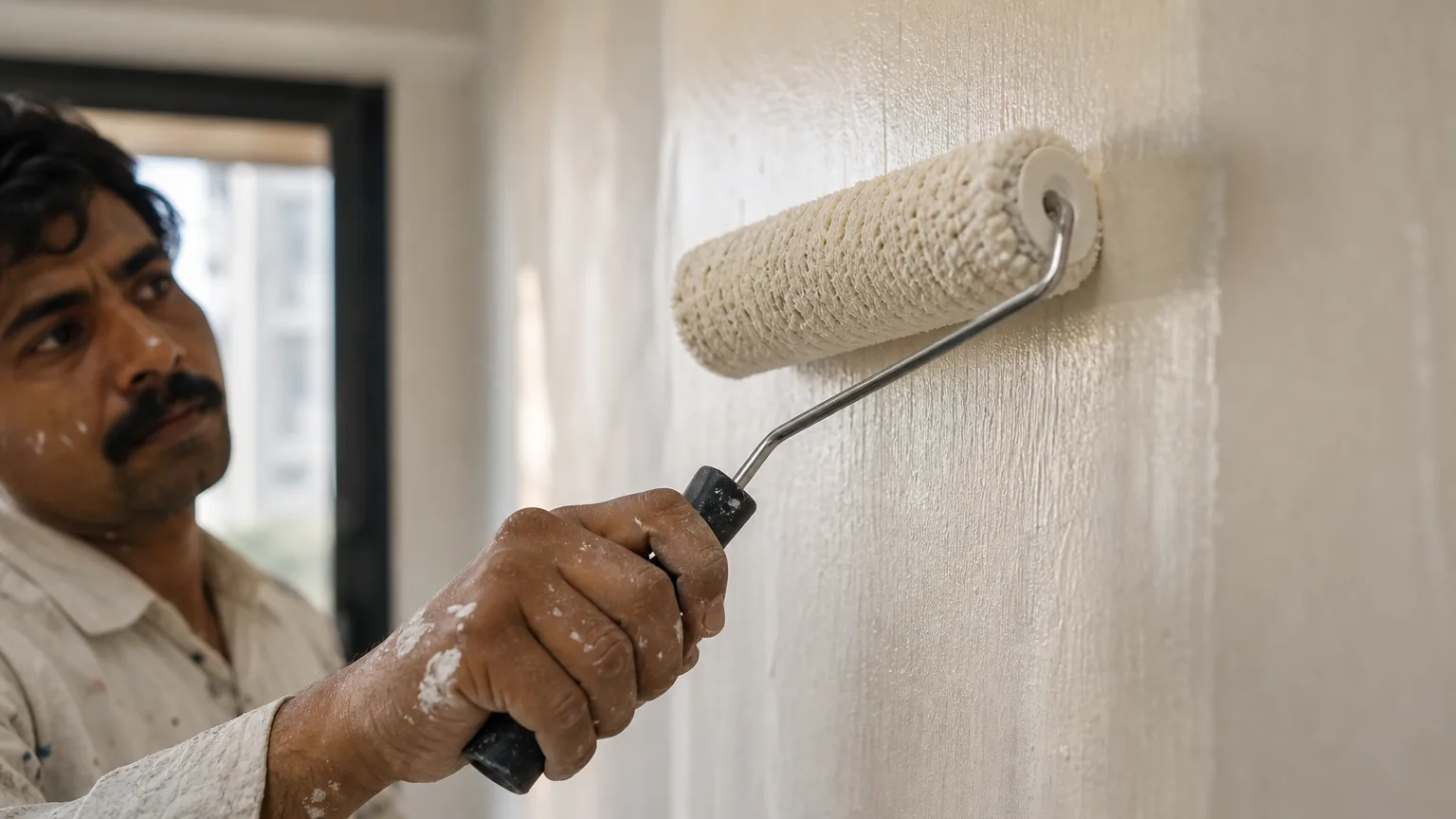
Second coat after 16-24 hours at 20 °C / 50% RH (longer at lower temperature or higher humidity). Apply the second coat the same way as the first. Brings the wall to its full uniform matt opacity and the characteristic depth of mineral-loaded natural-resin emulsion.
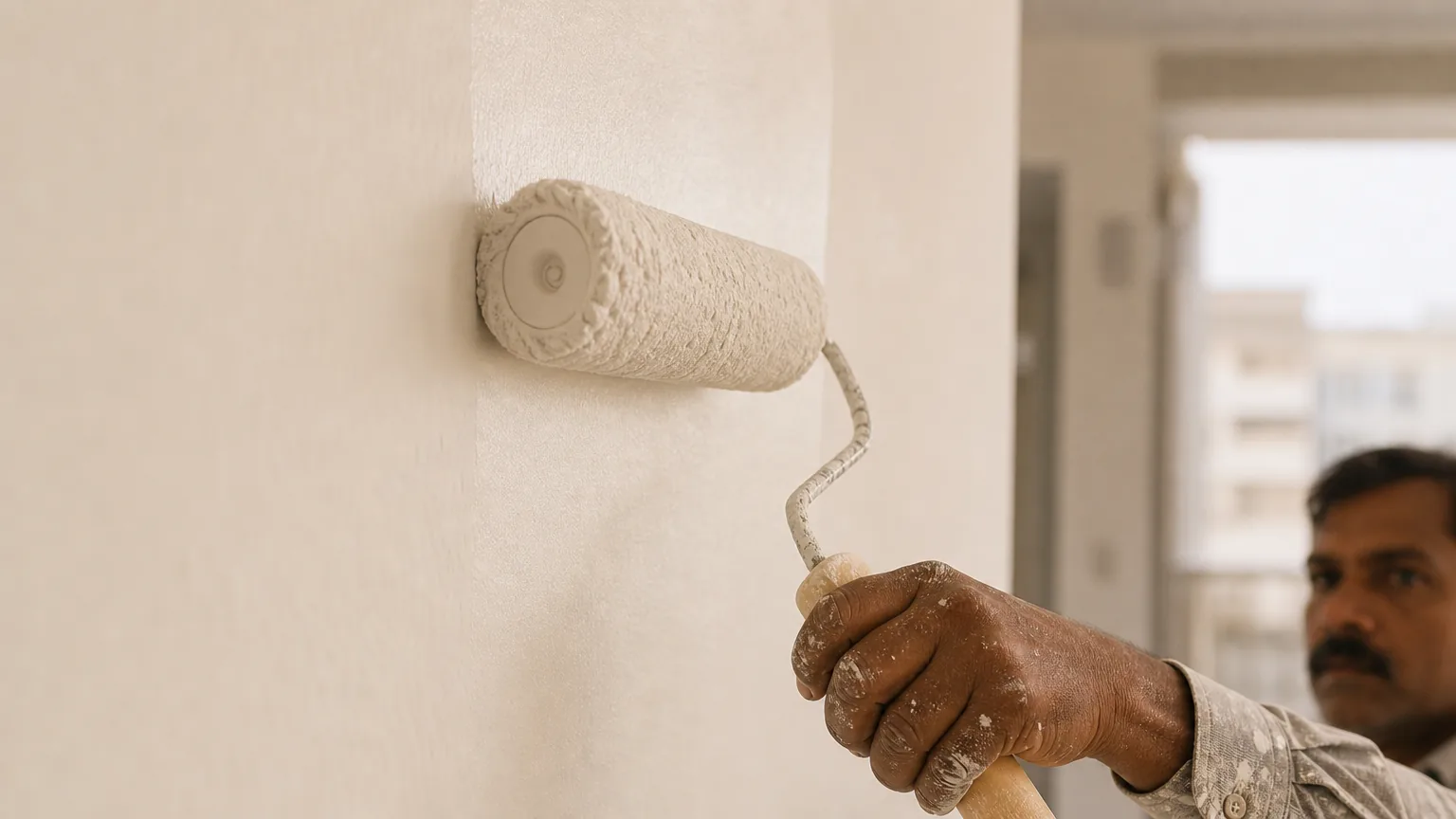
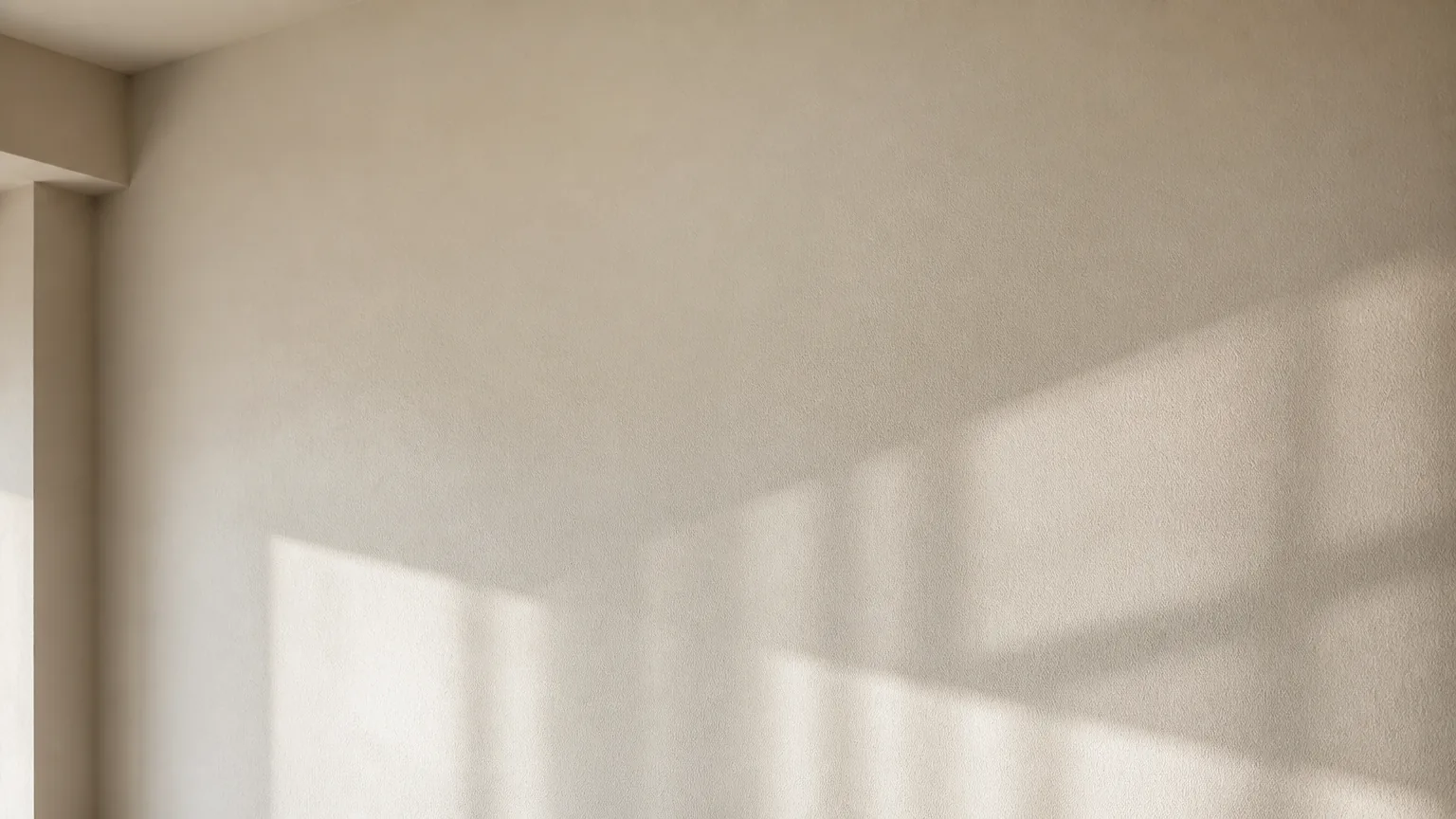
Finished surface. The paint reaches its full matt finish and uniform hiding power once the second coat is dry. Once fully dry, the wall is wet-scrub washable to Class 3 (DIN EN ISO 11998) and accepts damp cloth + mild detergent for marks — no abrasive scrub pads. Clean tools immediately after use with water.
Application Conditions
Coats & Recoating
Cleaning & Storage
Airless Spray
Airless: Nozzles 0.38–0.43 mm. Spray angle approx. 30°–40°. Filter approx. 100–50 mesh.
First time with Natural Resin Emulsion Paint? Our technical team runs complimentary on-site walkthroughs for contractors — full application protocol, start to finish.
System & Substrates
Two coats of 660 over sound mineral plaster, gypsum board, or bonded wallpaper — with 620 Deep Sealer first if the substrate is chalking, highly absorbent, or mixed. Contractor-familiar workflow; natural-chemistry binder.
The Coating System
Primer plus topcoat — the full chain.
Tinting On Site
Mix your own custom shade at the site with LEINOS pigments.
Substrate Fit
Suitable
Honest Limits
Use With Care
Coverage & Pack Sizes
Coverage on the card assumes one coat. Two coats are the canonical specification. Plan an extra coat for strong colour shifts or very dark substrates.
2.5L
Covers
70–135 sq ft
2 coats, absorbent mineral
Best For
Single feature wall, accent area, or small bedroom.
10L
Covers
270–540 sq ft
2 coats, absorbent mineral
Best For
Full room, full apartment, or multi-room project.
Enter your area to see how much material — and the most efficient pack mix — you’ll need for 2 coats.
Full calculatorRelated Work
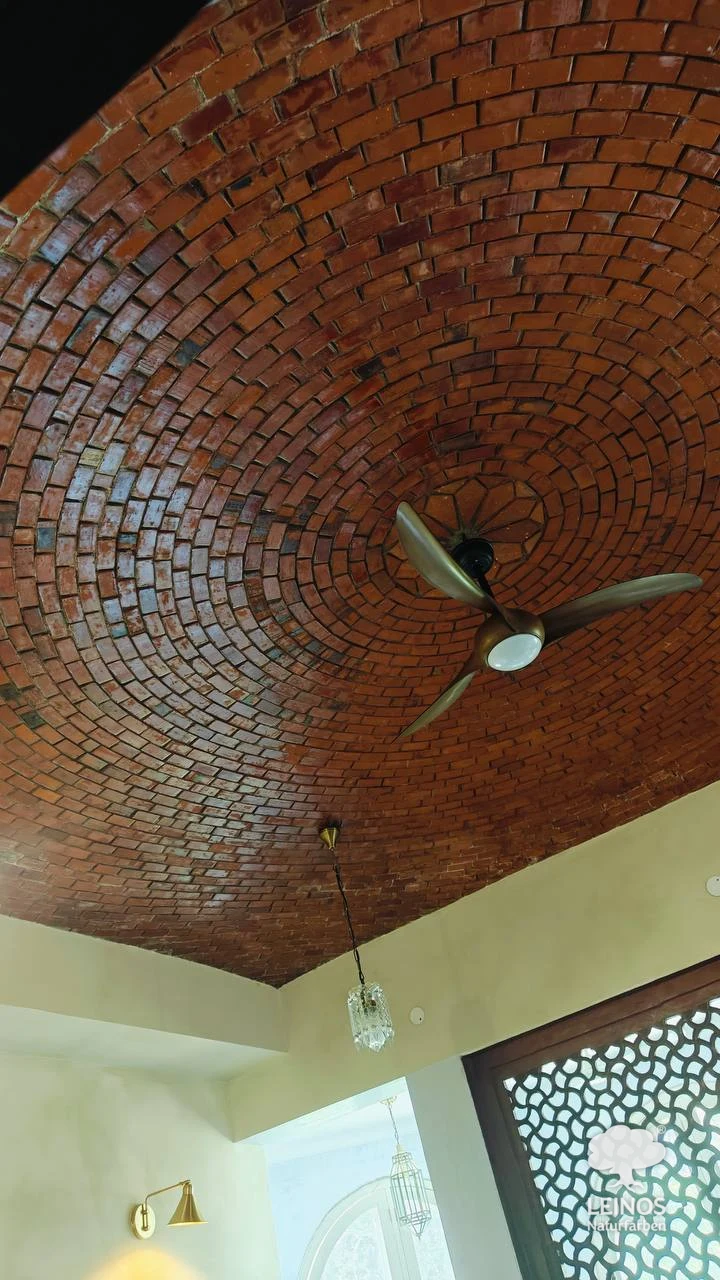
Documented mineral surface projects. Captions show which LEINOS finish was used.
Full Declaration
Every ingredient declared on the label. The Trust Hub explains what each one does and the standards behind it.
Natural-Resin Emulsion Binder
Plant-derived natural resin (rosin-ester family per master TDS pattern), emulsified in water — the film-forming binder. Replaces synthetic acrylic polymer in conventional emulsion paint.
Mineral Fillers + Pigments
Calcium carbonate, titanium dioxide (white pigment), and additional mineral fillers — provide opacity, matt depth, and the wall’s interlock with absorbent substrate pores. Inert, REACH-compliant.
Plant-Derived Stabilisers
Cellulose or similar plant-derived rheology modifiers — keep the natural-resin emulsion and mineral fillers in uniform suspension in the pail. Burn out as the paint cures.
Mild Additives
Functional additives at trace levels (preservative, defoamer, wetting agent). The 660 SDS is supplied on request from the manufacturer for the full chemistry disclosure.
Got Questions?
Quick answers on formulation, application and Indian-climate suitability. Pulled from our full FAQ and TDS library.
For Architects & Specifiers
Technical and safety documents — citable in project specifications.
Need a Recommendation?
Four ways to reach our India team — pick the one that fits how you work.
For Trade & Specifiers
Full TDS / SDS library, specification support and trade pricing — direct from the manufacturer.
Documents
TDS / SDS
Per-product datasheets and safety sheets, downloadable in English.
Specification
NCS Match
Custom colour briefs and material samples mixed at our Delhi lab.
Trade
Direct Pricing
Volume tiers, project quoting and stock allocation through our trade desk.
Written by the LEINOS India technical team, in collaboration with
Reincke Naturfarben R&D, Lower Saxony.
Last updated
Want to represent LEINOS in your city?
Become a Dealer