Interior Hardwax Oil
Hardwax oil for durable protection and finishing of interior wooden surfaces.
View product detailsWood Surfaces · Solutions
Floors & Terraces solutions address walkable wooden surfaces subject to regular mechanical wear, foot traffic, and environmental exposure depending on interior or exterior use.
Find your application
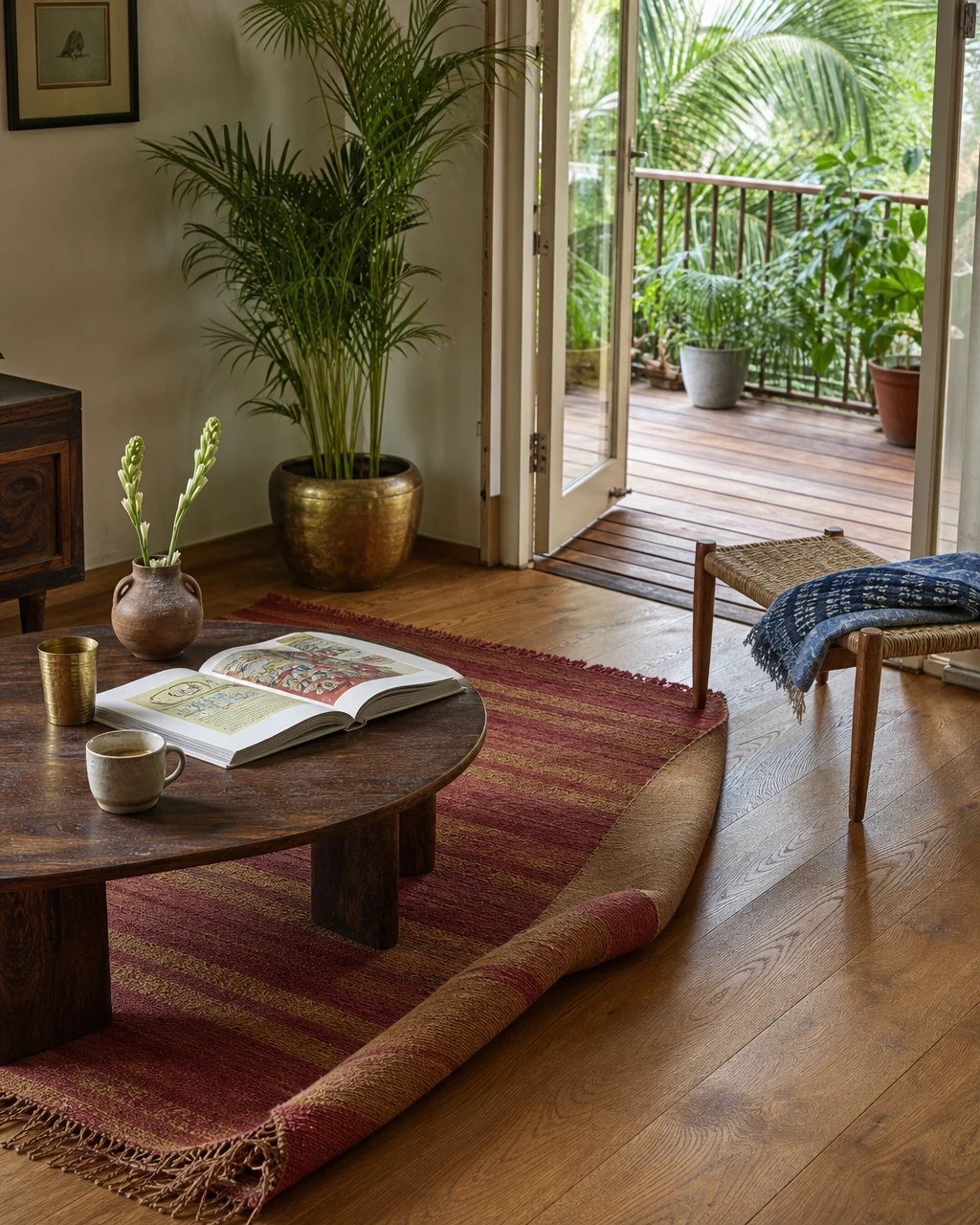
Hard-wearing finishes for walkable interior wood surfaces
4 compatible productsHardwax oil for durable protection and finishing of interior wooden surfaces.
View product detailsPenetrating oil finish for absorbent interior surfaces
View product detailsVersatile universal primer and topcoat for all interior wood types. Enhances natural wood structure with silky matte, durable, water-repellent finish.
View product detailsNon-yellowing, durable primer and topcoat for unstressed interior wood surfaces, particularly in furniture manufacturing. Also suitable for cork and stoneware.
View product detailsStep by Step
Ensure the substrate is dry, clean, grease-free, dust-free, and absorbent. Sand floor surfaces in grain direction. For Hard Oil 240 and Hard Oil Universal 259: sand to 150–180 grit. For Hardwax Oil 290: TDS does not specify grit — use minimum 120 grit (industry standard for hardwax oils). For Hard Oil Clear 241: surface must be dry, firm, absorbent, resin- and dust-free. Remove all sanding dust thoroughly. Ambient and surface temperature must be above 15°C.
Apply a thin, even coat along the wood grain. Hard Oil 240: brush, roller, spray, or dip — apply thinly. Hardwax Oil 290: brush, roller, cloth, or pad — apply thinly and evenly, allow oil to penetrate and remove excess. Hard Oil Universal 259: apply with sealing roller in uniform thin coat. Hard Oil Clear 241: brush, roller, or spray — stir thoroughly before use.
Hard Oil 240: wet-on-wet method — apply second coat after a short waiting time. Remove excess oil after the final coat. Hard Oil Clear 241: wet-on-wet after 20–30 minutes, remove excess 30 minutes after final coat. Hardwax Oil 290: allow oil to penetrate, remove excess. Apply at least two coats. Hard Oil Universal 259: apply second coat after 6–8 hours — no intermediate sanding required.
Hard Oil 240: dust-dry 10–12 hours, walkable and recoatable 16–24 hours. Hardwax Oil 290: dry to touch 6–12 hours, recoatable after 12 hours, fully cured 7–10 days. Hard Oil Universal 259: dust-dry 6–8 hours, foot traffic safe 16–24 hours. Hard Oil Clear 241: dust-dry approx. 8 hours, foot traffic after 16–20 hours at 20°C. Ensure sufficient air circulation during drying.
All products require at least two coats. Hard Oil Universal 259: apply 3 uniform thin coats total using sealing roller at 6–8 hour intervals. For 240 and 241: remove excess oil 30 minutes after the final coat. For 290: ensure no excess oil remains on the surface — pooled oil will not dry properly. After the final coat, avoid foot traffic until walkable drying time has passed.
System Composition
Why It Works
Pick the Right Build
If you need a versatile all-round floor finish → Hard Oil 240. Two coats with wet-on-wet method, deep penetration, warm natural tone. The default choice for most residential floor applications.
Hard Oil 240 — 2 coats
If the floor sees heavy daily use and needs maximum surface hardness → Hardwax Oil 290. Micro-wax hardens the surface, providing superior resistance to foot traffic and mechanical wear.
Hardwax Oil 290 — 2 coats
If you want to preserve the natural lightness of pale wood → Hard Oil Clear 241. Safflower-based, non-yellowing formula prevents the warm amber shift that linseed oils cause on light timbers.
Hard Oil Clear 241 — 2 coats
If you need fast recoat intervals and no intermediate sanding → Hard Oil Universal 259. Three thin coats via sealing roller at 6–8 hour intervals. Explicitly rated for stairs and foot traffic.
Hard Oil Universal 259 — 3 coats
What to Expect
What to Avoid
Scope & Limits
This solution layer covers interior wooden floors and stairs, exterior wooden terraces and decking, and walkable wood surfaces where abrasion, impact, and surface wear are central considerations.
In the wild
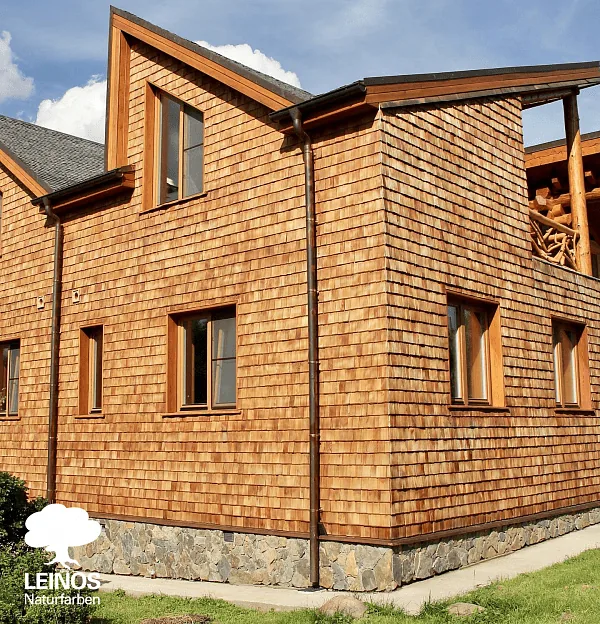
Chennai, Tamil Nadu
View project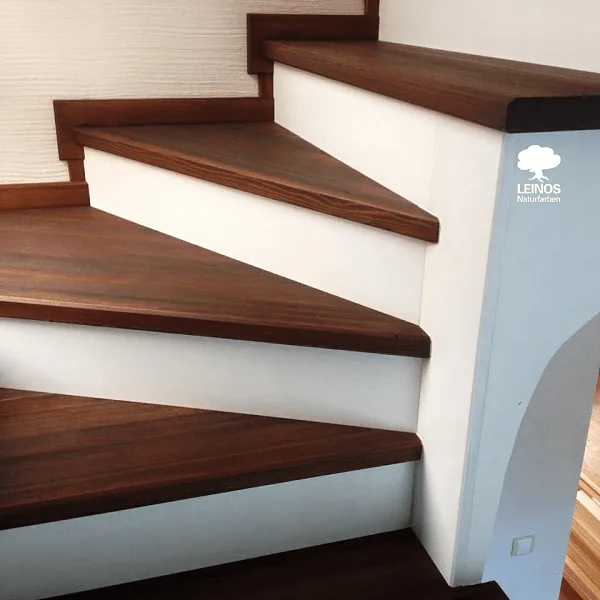
Vadodara, Gujarat
View project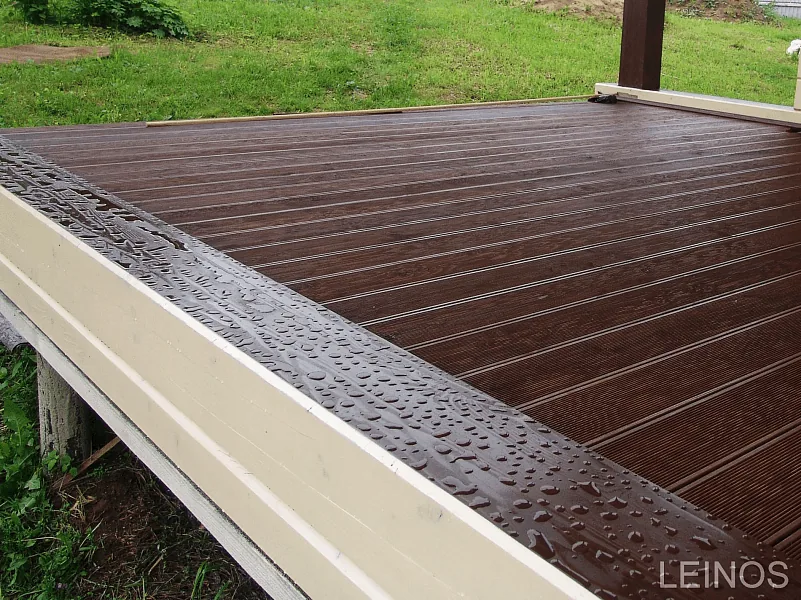
Visakhapatnam, Andhra Pradesh
View project
Kochi, Kerala
View projectCommon Questions
Next step
Move into the filtered catalogue, or jump back to surface choice if you're still scoping the project.
Adjacent applications
Need a Recommendation?
Four ways to reach our India team — pick the one that fits how you work.