Interior Hardwax Oil
Hardwax oil for durable protection and finishing of interior wooden surfaces.
View product detailsWood Surfaces · Solutions
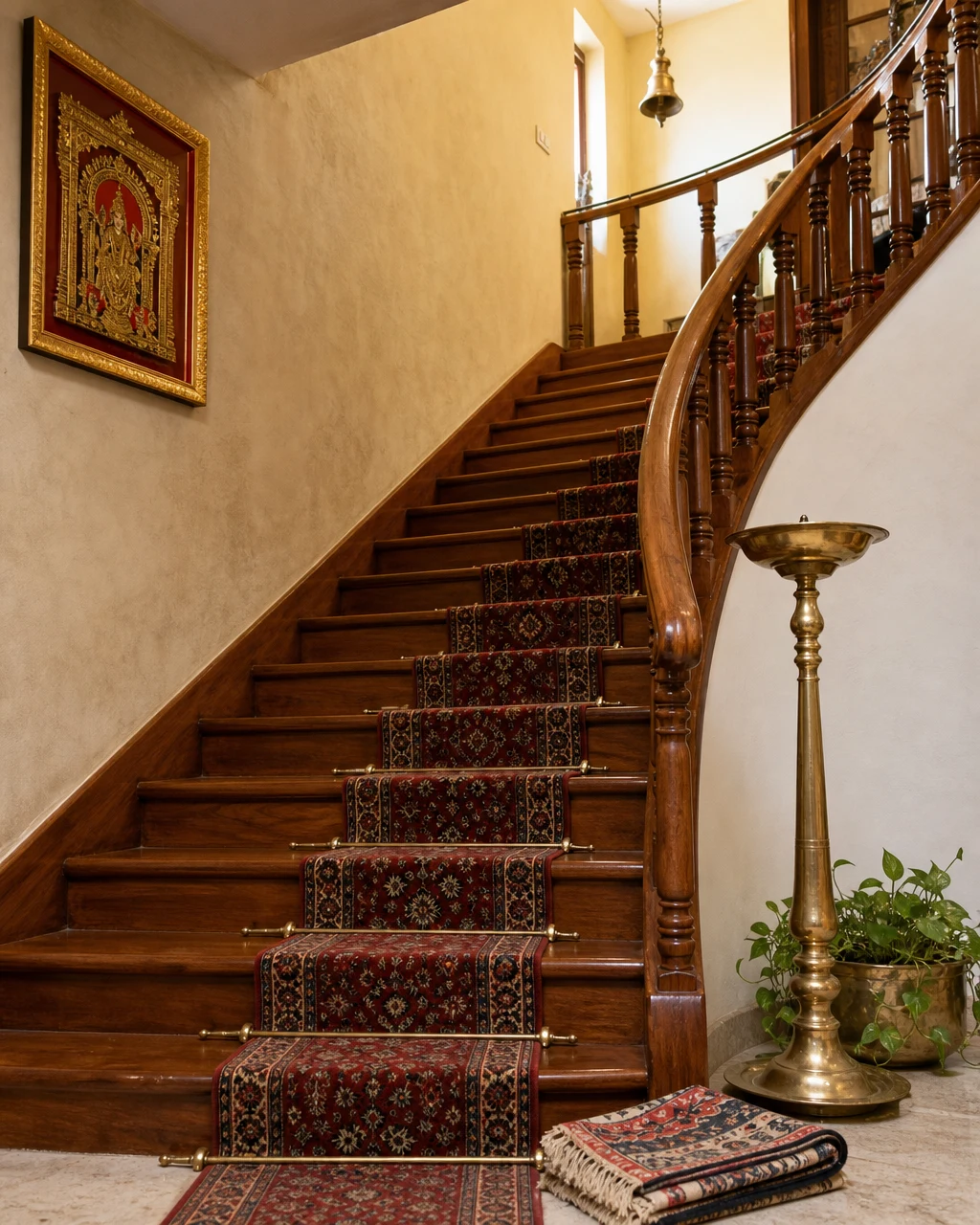
A teak plank floor in a Bengaluru living room, a Burma teak staircase in a Mumbai bungalow, a white-oak chevron parquet in a Pune designer apartment — interior walkable surfaces earn their life under continuous foot traffic, slipper-and-heel abrasion, the humidity swing between Indian summer (RH 30%) and monsoon (RH 80%+). The finish documented for that life is the LEINOS interior oil set — Hard Oil 240, Hardwax Oil 290, Hard Oil Universal 259, Hard Oil Clear 241 — picked by surface and traffic load, not by aesthetic preference.
Find your application
Solid and engineered hardwood floor boards across living rooms, bedrooms, halls. Teak, sheesham, Burma teak, mango — and occasionally pale woods (white oak, ash, maple, birch) in contemporary Indian apartments. Hard Oil 240 (2 coats wet-on-wet) is the default whole-floor pass; Hardwax Oil 290 wins on high-traffic concentration zones (entry hall, living-room circulation arc, dining-table zone). Hard Oil Clear 241 keeps the pale tone on white oak and ash. Sand P120–P150.
4 compatible productsHardwax oil for durable protection and finishing of interior wooden surfaces.
View product detailsPenetrating oil finish for absorbent interior surfaces
View product detailsVersatile universal primer and topcoat for all interior wood types. Enhances natural wood structure with silky matte, durable, water-repellent finish.
View product detailsNon-yellowing, durable primer and topcoat for unstressed interior wood surfaces, particularly in furniture manufacturing. Also suitable for cork and stoneware.
View product detailsSystem & Substrates
For interior furniture context use LEINOS interior oils in the furniture canon (see Interior Furniture & Cabinets); for exterior decks use LEINOS 236 Terrace Wood Oil.
The Coating System
Primer plus topcoat — the full chain.
Topcoat Options
Choose the finish character; the primer underneath stays the same.
Long-term Care
Extends the life of the finish over the years.
Step by Step
Sand the entire floor area edge-to-edge with a drum or belt sander in grain direction, P80 → P100 → P120 → P150 final pass. Hand-sand the perimeter strip (within 50 mm of the skirting) with an orbital — the drum cannot reach the wall. Strip any prior PU, lacquer, or factory pre-finish back to bare wood; oil only bonds to absorbent fibre.
Vacuum the entire floor — every gap between boards, every dovetail seam, every skirting joint. Then vacuum a second time. Wipe with a slightly damp lint-free cloth. Indian construction dust is fine and persistent; one vacuum pass is not enough. Moisture content below 14% on the substrate — measure with a pin meter at 3+ spots across the room.
For whole-floor pass across teak / sheesham / Burma teak: Hard Oil 240 (2 coats wet-on-wet). For high-traffic concentration zones (entry hall, dining-table arc, living-room circulation): Hardwax Oil 290 (2 coats). For tight commercial fit-out schedule that needs continuous progress: Hard Oil Universal 259 (3 thin coats, sealing roller, no intermediate sand). For pale-wood floors (white oak, ash, maple): Hard Oil Clear 241 (2 coats).
Stir the chosen oil thoroughly. Pour a thin bead across the floor and spread with a short-nap roller in the grain direction, working outward from the far wall toward the exit. Work the brush along the perimeter strip (within 100 mm of the skirting) — that strip absorbs more end-grain at every cut board. Maintain a wet edge across the whole field — never let one section dry before the next.
After 20–30 min penetration, polish the entire floor surface dry with clean cotton terry pads on a buffer (or hand-cloth on small rooms) — no oil layer must remain. Pooled oil on a floor will stay tacky for weeks and trap dust. 240 dust-dry 10–12 h, walkable 16–24 h. 290 dry to touch 6–12 h, recoatable after 12 h. 259 dust-dry 6–8 h, foot-traffic safe 16–24 h. 241 dust-dry approx 8 h, foot-traffic 16–20 h.
Apply a thinner second coat the same way. If micro-fuzz has raised on sheesham or mango, lightly de-nib P320 between coats — buffer a single pass, vacuum, tack-cloth, recoat. For 259 specifically: apply 3 thin coats total via sealing roller at 6–8 h intervals (no intermediate sanding). Foot-traffic ready after the walkable window per product. Full polymer cure 7–14 days — no rugs, furniture pads, or heavy furniture placement until cure completes.
System Composition
Why It Works
Pick the Right Build
Sheesham, teak, Burma teak, mango. Two coats Hard Oil 240 with short-nap roller. P120 → P150 sand. Re-oil traffic zones every 12–18 months, perimeter every 3–5 years.
Hard Oil 240 — 2 coats
Hardwax Oil 290 — 2 coats. Micro-wax adds surface hardness against the daily slipper-and-foot wear that concentrates in the circulation arc.
Hardwax Oil 290 — 2 coats
Hard Oil Clear 241 — 2 coats wet-on-wet. Safflower-based, non-yellowing. Keeps the design intent where a warm amber shift would change the room.
Hard Oil Clear 241 — 2 coats
Hard Oil Universal 259 — 3 thin coats via sealing roller at 6–8 h intervals. No intermediate sanding. Lets a 3-coat system finish in a single 24-hour shift instead of staggering across multiple visits.
Hard Oil Universal 259 — 3 coats
What to Expect
What to Avoid
Scope & Limits
This solution applies to interior wooden floors, parquet, staircases, landings, treads and risers, and other walkable hardwood surfaces inside buildings where foot traffic is the primary stressor.
In the wild
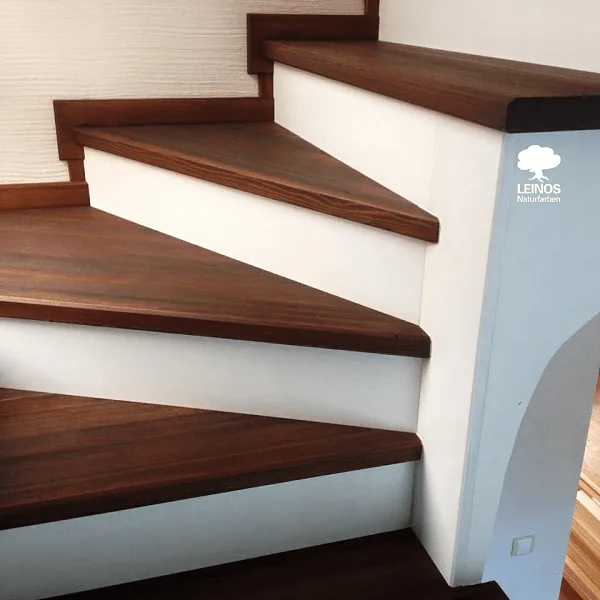
Vadodara, Gujarat
View project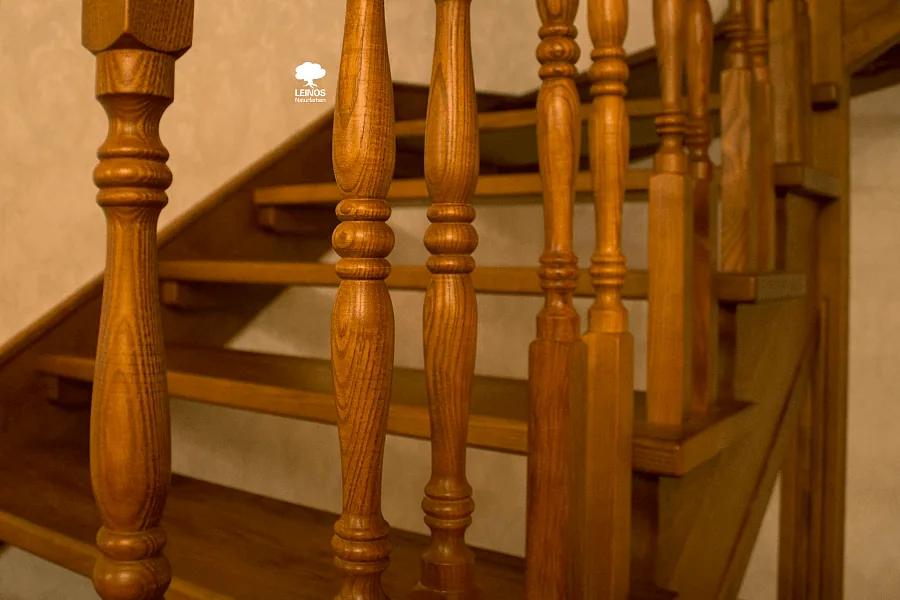
Mumbai, Maharashtra
View project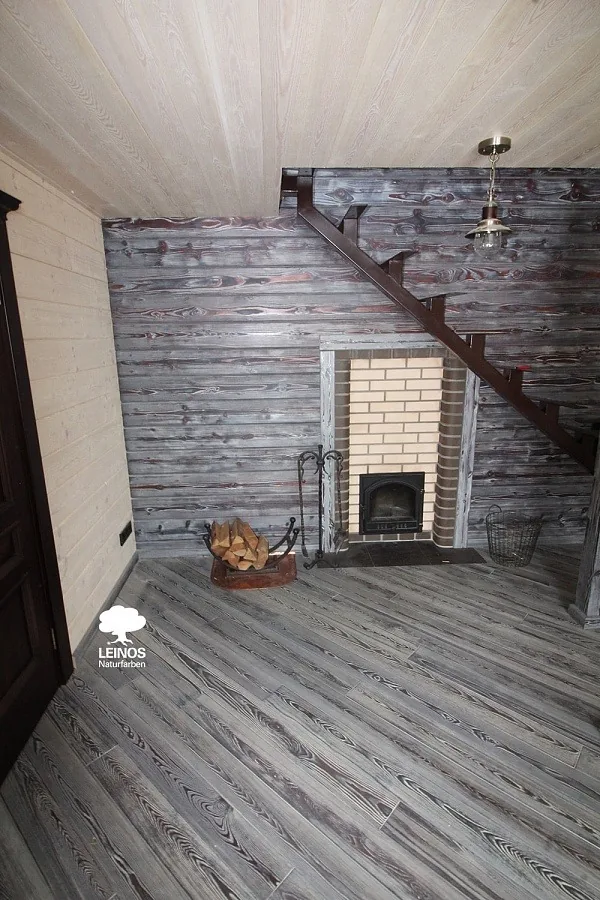
Hyderabad, Telangana
View project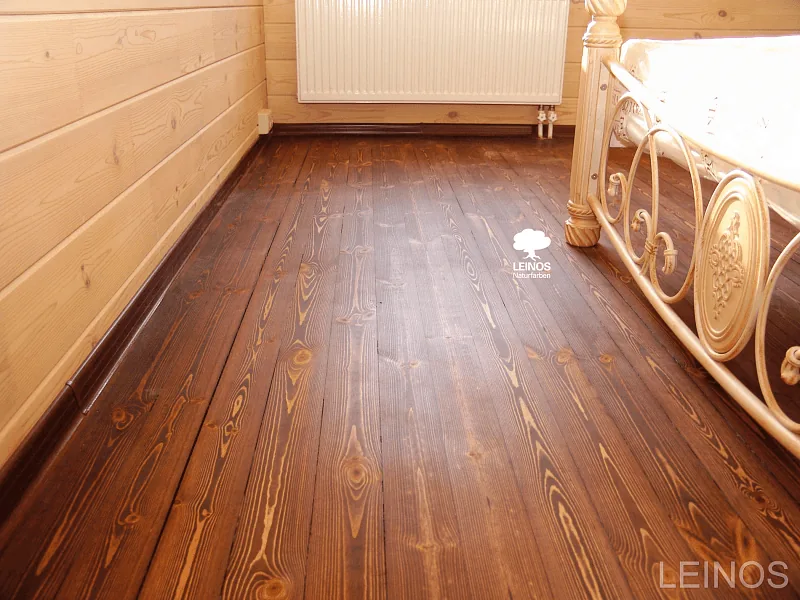
Bengaluru, Karnataka
View projectCommon Questions
Next step
Move into the filtered catalogue, or jump back to surface choice if you're still scoping the project.
Adjacent applications
Need a Recommendation?
Four ways to reach our India team — pick the one that fits how you work.