

5kg
Covers
20–55 sq ft
1 coat, absorbent mineral wall
Best For
Repairs, hole-filling, and a single feature or damp-room wall.
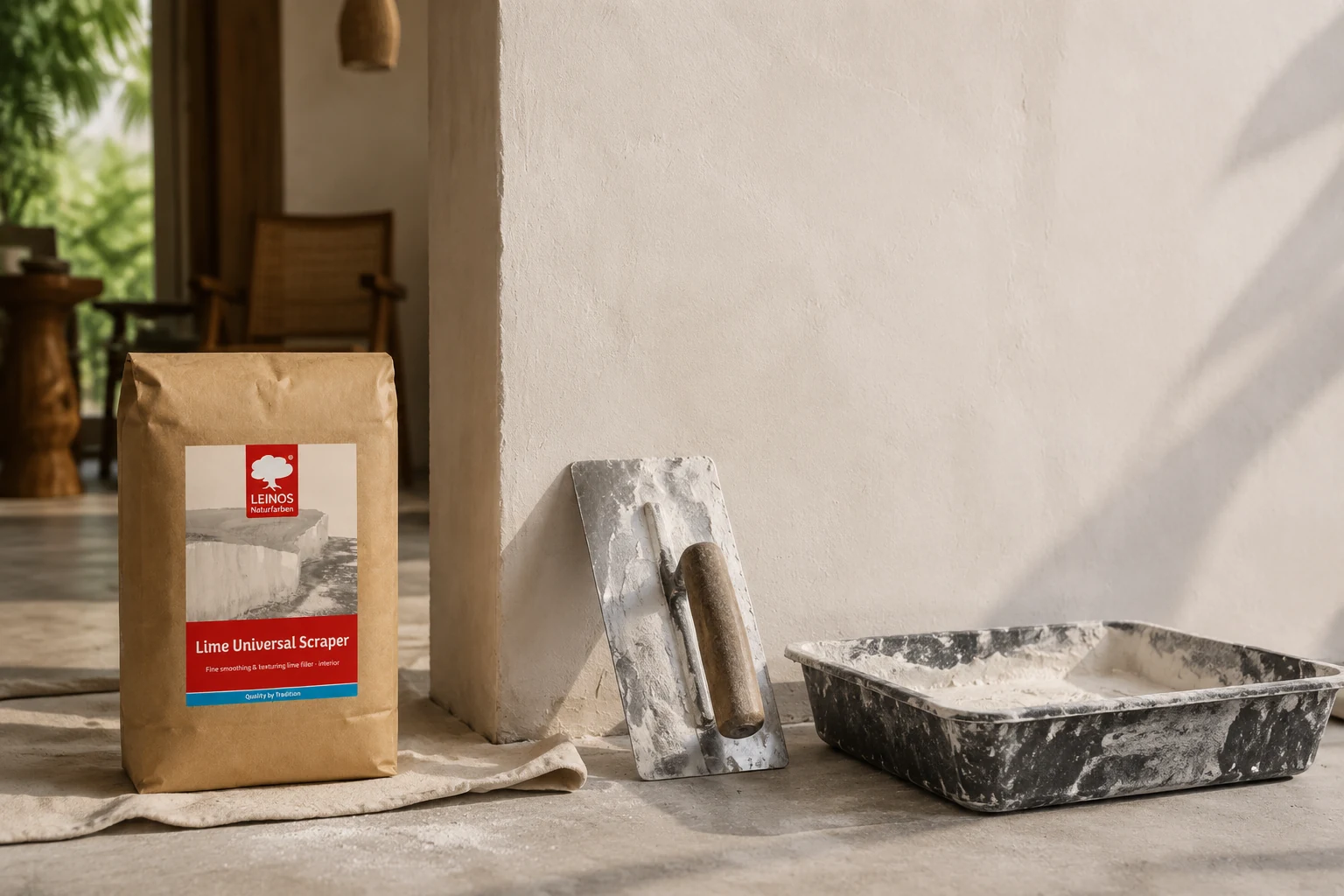
LIME UNIVERSAL SCRAPER · ART. 683
LEINOS 683 — a fine, very white lime filler in powder form for interior mineral walls. Mixed with water and pulled on 1–3 mm with a trowel, it fills holes and smooths surfaces; its high alkaline pH (≈13) keeps it moisture-regulating and mould-preventing. The lime base beneath 665 and 667. Made in Germany by Reincke Naturfarben.
Mechanism & Use
A powder of white lime hydrate and natural hydraulic lime, bodied with marble and limestone flour. Mixed with water it fills holes and smooths walls; it sets first by a hydraulic reaction, then cures fully by carbonation into a calcium-carbonate surface continuous with the mineral wall. The wall keeps breathing, and the high alkaline pH makes the surface mould-preventing.
One lime putty for two jobs — press it into holes, gaps, and hairline cracks with a filling knife, or skim it across a whole wall in 1–3 mm layers and felt it smooth. It can also be left as an exposed decorative texture. The very white, fine grain gives a clean mineral base for the lime topcoat.
The natural hydraulic lime gives an initial set within the first day (very slow above 3 mm). Over the next 2–3 days and beyond, atmospheric CO₂ carbonates both lime fractions into microcrystalline calcium carbonate — the same mineral the wall is built from. A mineral surface continuous with the wall, not a filler skin on top. No silicate, no plastic film.
The cured lime stays open-pore. Water vapour passes freely in both directions, so monsoon humidity and condensation are buffered instead of trapped behind a film. The filler regulates the wall’s moisture rather than sealing it — the property that lets the lime topcoat perform in damp rooms.
Fresh and curing lime sits at pH ≈ 13. The manufacturer states this high alkalinity, together with its diffusion capability, makes 683 ideal for mould remediation (Schimmelsanierung) — the protection is the lime’s own high pH. (Not a tested antimicrobial specification; we make no such claim.)
Where It Lives
Damp-room wall preparation before lime paint
Mumbai, Goa, Kochi, Chennai bathrooms, kitchens, and utility walls. 683 fills and smooths the mineral wall into a breathable, high-pH base so 665 Lime Paint or 667 Lime Brush Rendering performs where standard emulsion filler bubbles and peels under steam and monsoon humidity. Avoid permanently wet shower zones and standing water.
Rajasthani heritage haveli lime-plaster repairs
Jaipur, Udaipur, Jodhpur, Bikaner heritage residences and hotels. A lime filler compatible with centuries-old lime plaster — it fills losses and cracks with the wall’s own mineral chemistry, keeping heritage breathability alive with no plastic film and no gypsum incompatibility.
Mould-remediation base coat (Schimmelsanierung)
High-pH lime filler specified over remediated walls in damp-prone buildings — the alkaline mineral surface is hostile to re-colonisation. Pre-treat any active mould growth with a dedicated remover first, fill and smooth with 683, then finish with a lime topcoat.
Decorative textured feature walls
Contemporary Bangalore, Delhi, and Mumbai interiors wanting a hand-worked mineral texture. 683 can be left as an exposed decorative structure and finished with a tinted lime topcoat for tone-on-tone depth a flat paint cannot give.
Gypsum-fibreboard & sound old-coating skim
Apartment fit-outs and renovation over gypsum fibreboard (Gipsfaserplatten) or firmly-adhering old coatings — primed with 621/622 first, then skimmed smooth with 683 as the lime base for the mineral topcoat.
Whole-wall smoothing before 665 / 667
Bangalore, Pune, Mumbai apartments and villas. Skim standard cement-plastered walls flat and even with 683 over 622 primer, then overcoat with 665 Lime Paint or 667 Lime Brush Rendering for a soft mineral heritage finish.
Compliance · Natural Ingredients · EU
Three anchors that let architects specify 683 as the lime base for heritage, humid-room, mould-remediation, and decorative mineral projects without disclaimers.
Application Standard
Substrate preparation and application specified to the German VOB/C DIN 18363 standard for painting and coating works.
Institutional Pledge
Reincke Naturfarben — full-ingredient-disclosure pledge for natural building products.
The TDS is downloadable below; the SDS is supplied on request with the full hazard register and the calcium-hydroxide and natural-hydraulic-lime disclosure. Where you need a written specification packet — full ingredient declaration, a lime-compatibility statement for a heritage-conservation project, or a humid-room / mould-remediation performance brief for a hotel specification — it is available to architects and contractors on request. Use Get Expert Advice above. 683 is a mineral wall filler, not a toy-safe or food-contact product.
Read The Full TDSStep by Step
Substrate inspection & prep — the wall must be dry, sound, absorbent, and clean. Prepare all substrates to VOB/C DIN 18363; remove dust, loose material, and any non-load-bearing plaster. Always lay a test area of at least two square metres and let it dry fully to judge adhesion and crack behaviour before doing the whole wall.
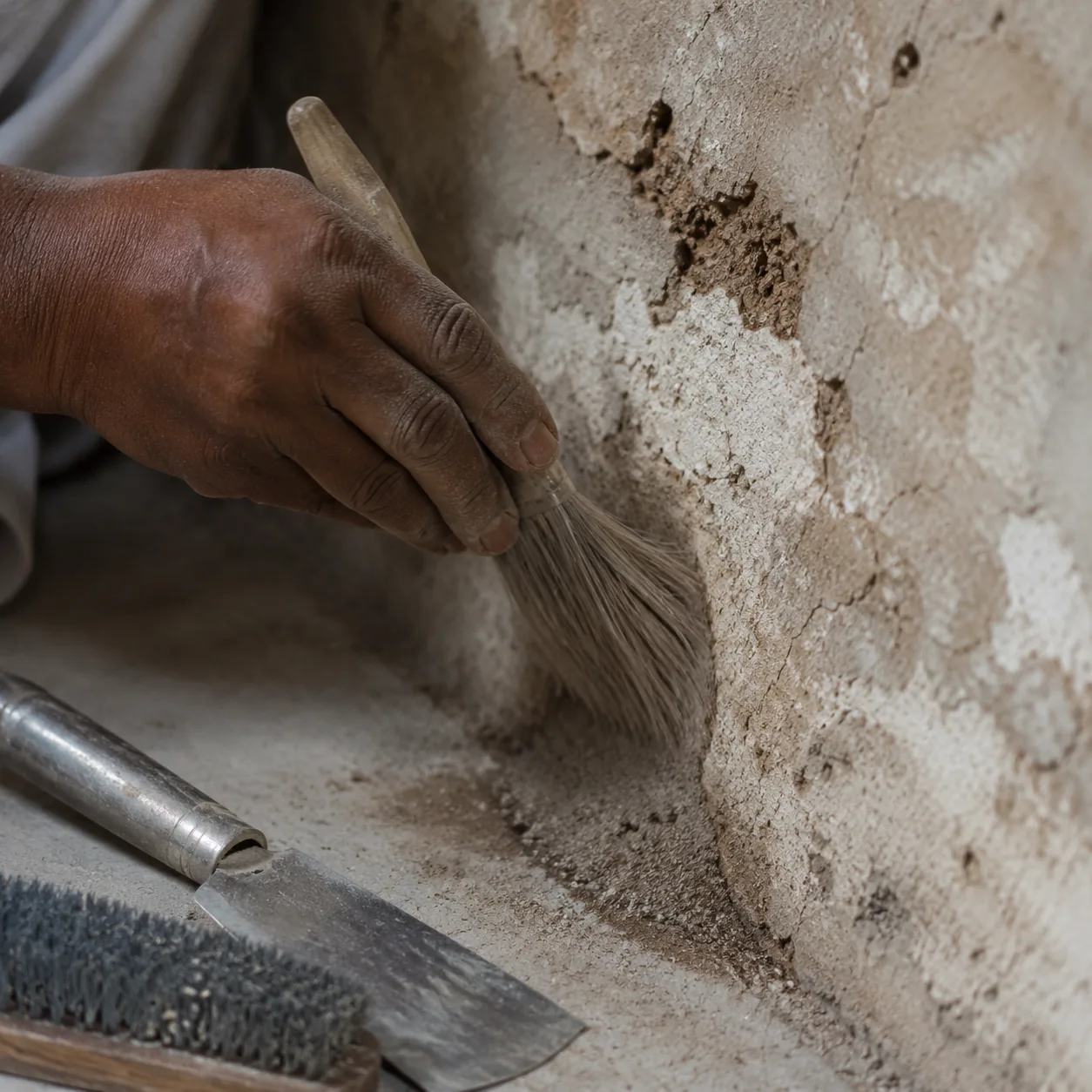
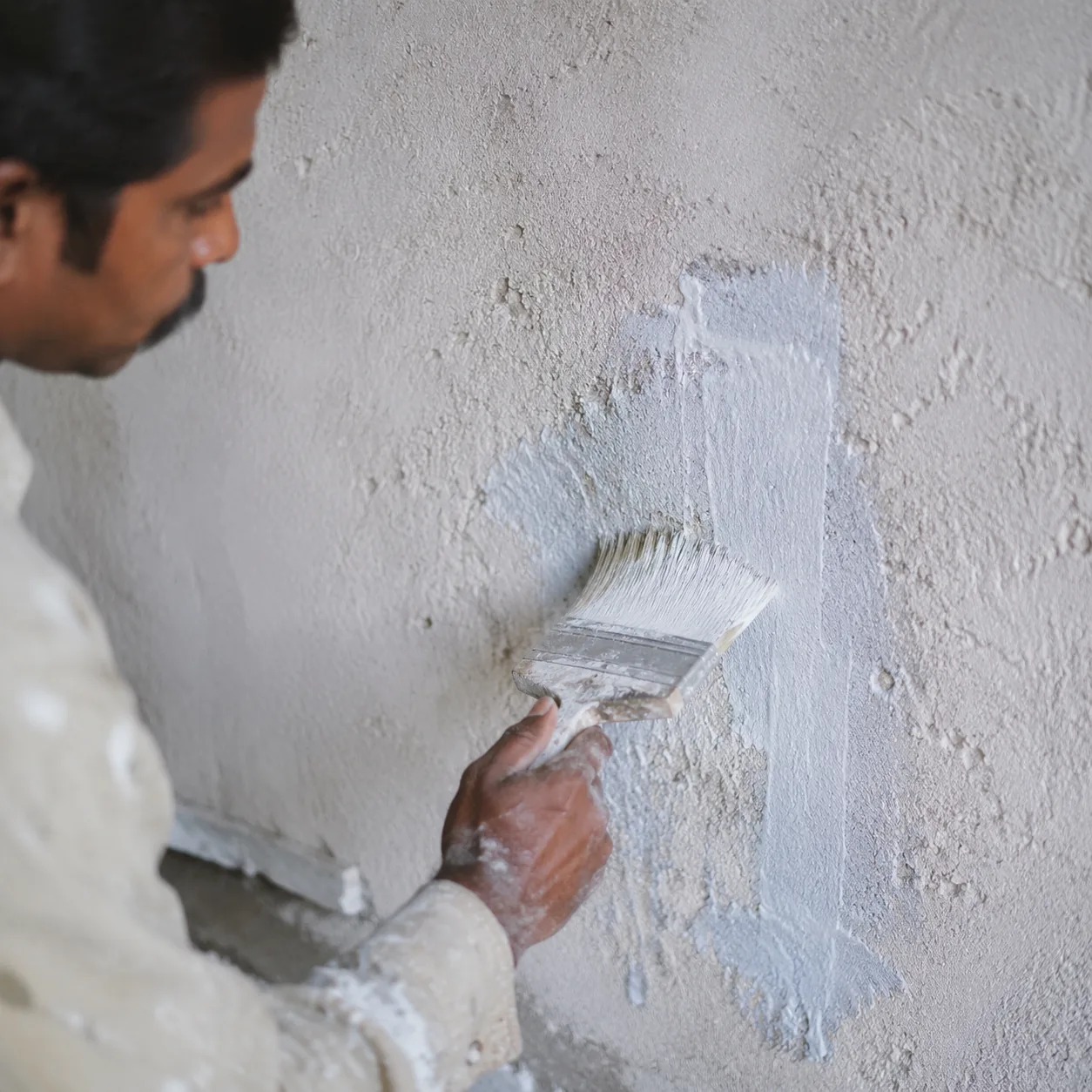
Prime absorbent and chalking surfaces with LEINOS 621 Silicate Primer or 622 Mineral Plaster Primer before filling — a bonding, absorbency-regulating ground coat evens the suction so the lime filler cures uniformly. On sound, evenly absorbent mineral plaster the primer improves adhesion and reduces suction spotting.
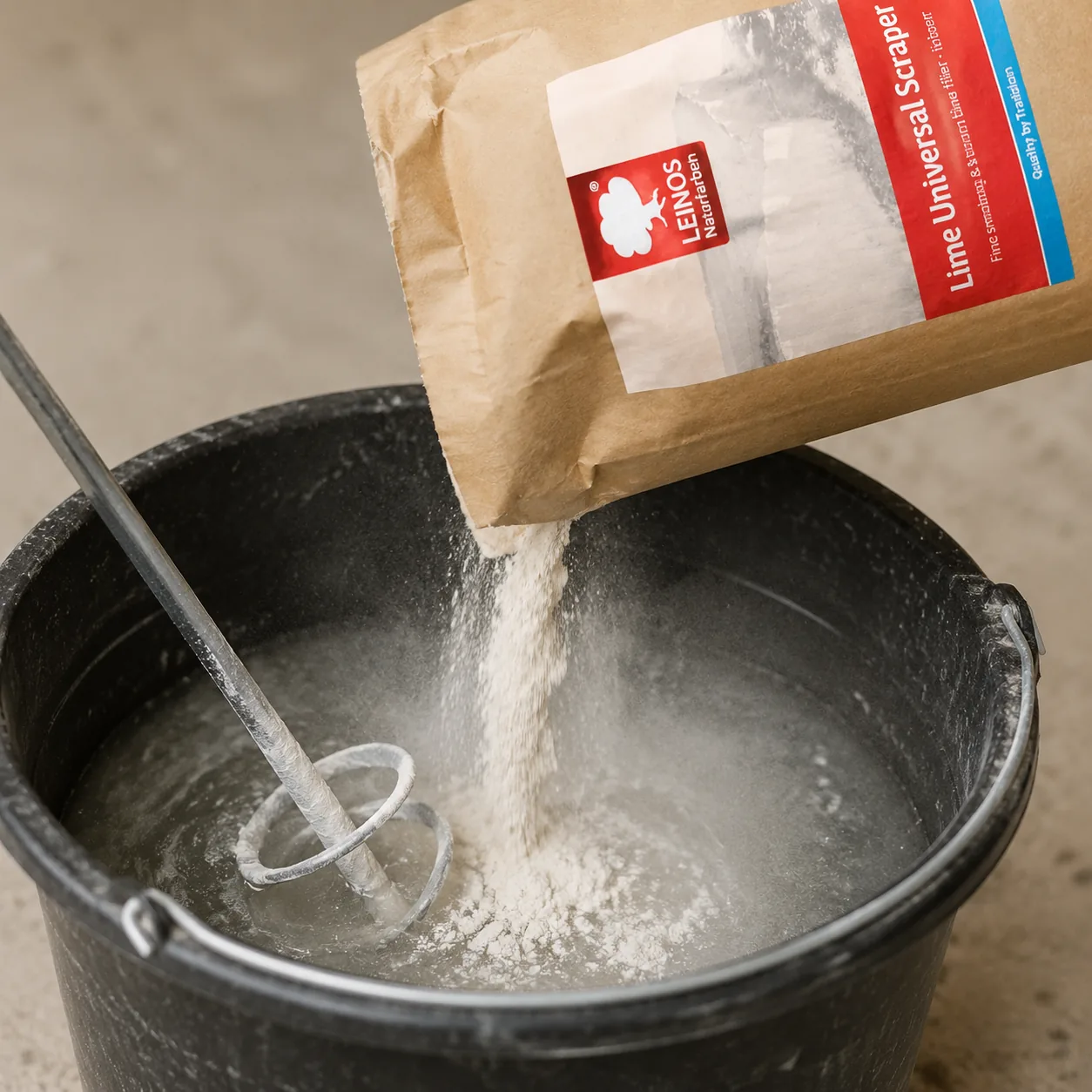
Mix — blend 20 kg of powder lump-free with approximately 6 litres of clean water to a workable putty. Mix only as much as you can use within five hours. Avoid raising and breathing the dry powder; add powder to water and stir with a paddle until smooth and creamy.
Fill — press the creamy white lime putty firmly into holes, gaps, and hairline cracks with a stainless filling knife and pull it flat, or skim the whole wall in 1–3 mm layers. Above 3 mm the layer dries very slowly. Work within the five-hour window while the mix stays workable.
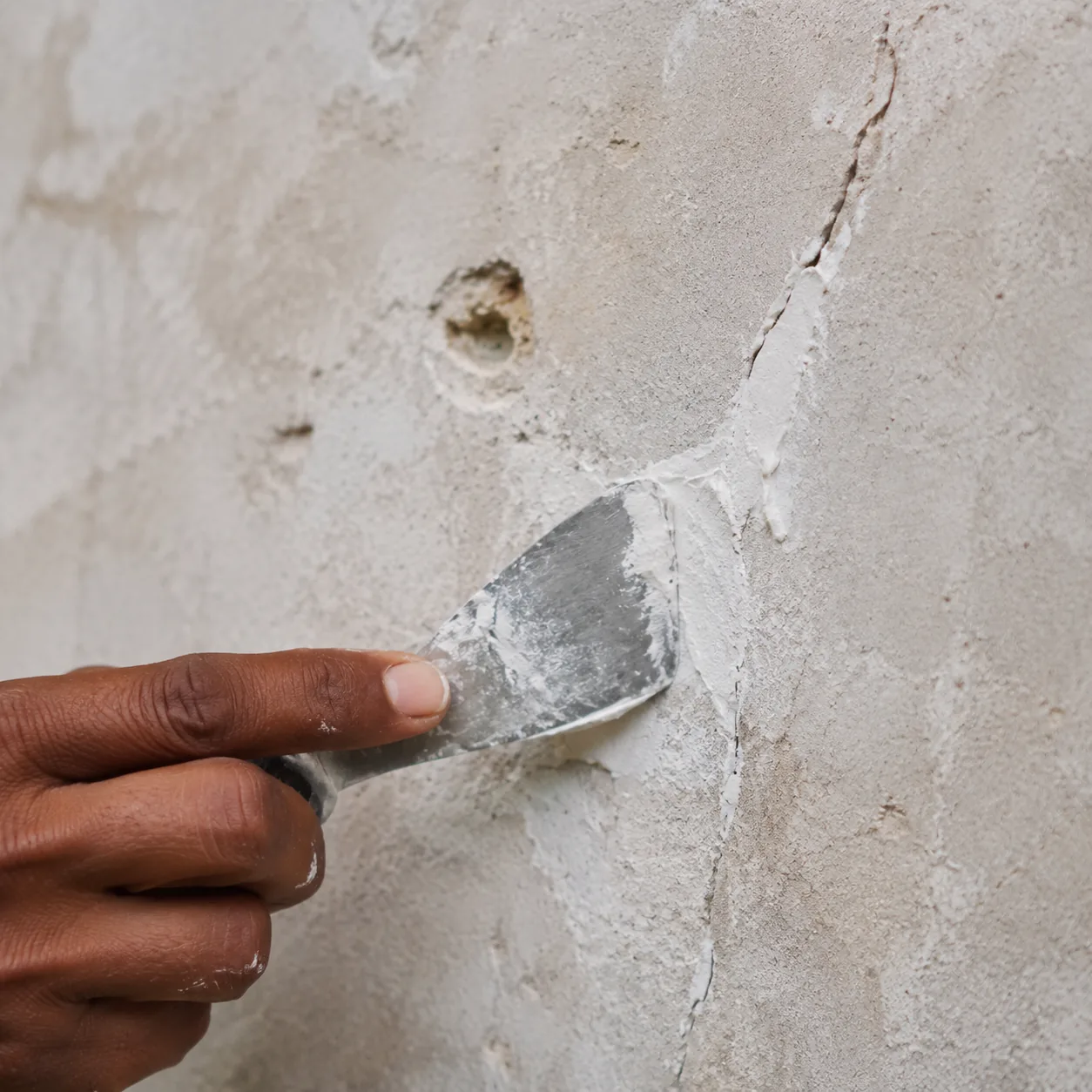
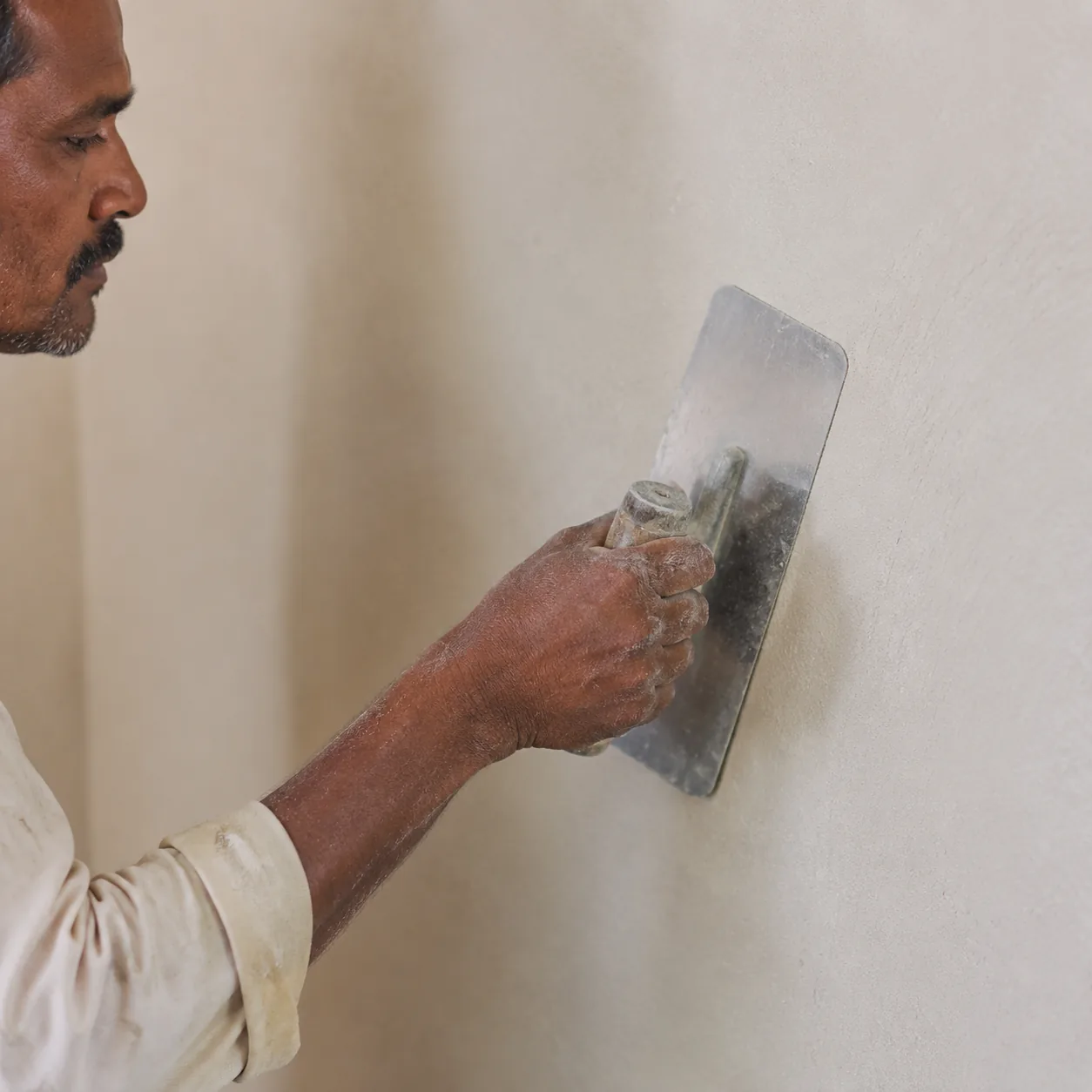
Smooth & felt — pull the surface flat and even with a smoothing trowel, then felt it to the finish you want: glass-smooth for a painted base, or a fine hand texture to leave exposed. The very white, fine grain gives a clean mineral canvas for the lime topcoat.
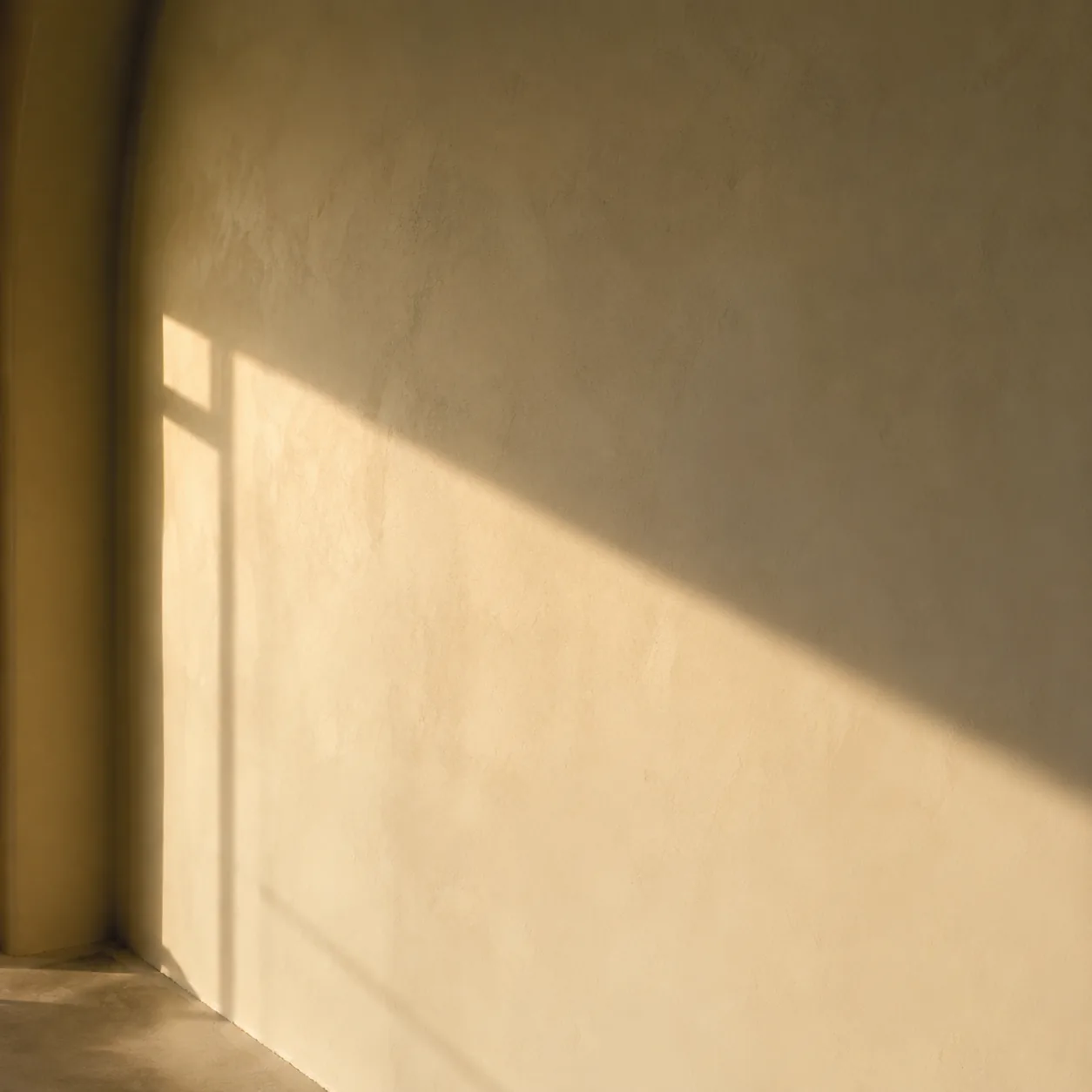
Cure & overcoat — allow minimum 24 hours drying (longer above 3 mm) and a carbonation period of at least 2–3 days. Once cured, overcoat with 665 Lime Paint for a flat matt wall or 667 Lime Brush Rendering for texture. Light cloudiness, glossy sinter patches, and gentle tone variation are the natural look of lime, not a defect.
Application Conditions
Coats & Recoating
Cleaning & Storage
First time with Lime Universal Scraper? Our technical team runs complimentary on-site walkthroughs for contractors — full application protocol, start to finish.
System & Substrates
683 fills and smooths the wall; a 621/622 primer regulates suction before filling, and 665 Lime Paint or 667 Lime Brush Rendering finishes on top. The lime filler behaves as a chemically continuous mineral surface, not a filler skin.
The Coating System
Primer plus topcoat — the full chain.
Tinting On Site
Mix your own custom shade at the site with LEINOS pigments.
Long-term Care
Extends the life of the finish over the years.
Substrate Fit
Suitable
Honest Limits
Use With Care
Coverage & Pack Sizes
Sold and used by weight: approximately 1 kg per millimetre of layer thickness per m². A 1 mm full-wall skim spreads far; deep hole and crack fills consume more. German TDS: pack sizes 5 kg / 10 kg / 20 kg, mixed 20 kg : approx. 6 L water.
5kg
Covers
20–55 sq ft
1 coat, absorbent mineral wall
Best For
Repairs, hole-filling, and a single feature or damp-room wall.
10kg
Covers
40–110 sq ft
1 coat, absorbent mineral wall
Best For
Single-room smoothing or multi-wall repair work.
20kg
Covers
80–220 sq ft
1 coat, absorbent mineral wall
Best For
Whole-wall skim, multi-room project, or heritage renovation.
Enter your area to see how much material — and the most efficient pack mix — you’ll need for 1 coat.
Full calculatorRelated Work
Documented mineral surface projects. Captions show which LEINOS finish was used.
Full Declaration
Every ingredient declared on the label. The Trust Hub explains what each one does and the standards behind it.
Marble + Limestone Flour
Calcium-carbonate mineral fillers — provide the fine, very white grain, body, and the smooth workable putty consistency. Inert; no further reaction during cure.
White Lime Hydrate (Air Lime)
Calcium hydroxide (in India: fat lime) — the primary binder. Cures by atmospheric CO₂ reaction into microcrystalline calcium carbonate, the chemistry that makes it a true lime filler.
Natural Hydraulic Lime
Gives an initial hydraulic set within the first day and added strength and crack resistance in thicker fills, before carbonation completes the cure. No silicate binder — the surface never silicifies, it carbonates.
Methylcellulose + Plant Polysaccharide
Plant-derived rheology stabilisers keeping the lime putty smooth, workable, and water-retentive under the trowel. Mineralise during carbonation; not a film-forming polymer.
Got Questions?
Quick answers on formulation, application and Indian-climate suitability. Pulled from our full FAQ and TDS library.
For Architects & Specifiers
Technical and safety documents — citable in project specifications.
Need a Recommendation?
Four ways to reach our India team — pick the one that fits how you work.
For Trade & Specifiers
Full TDS / SDS library, specification support and trade pricing — direct from the manufacturer.
Documents
TDS / SDS
Per-product datasheets and safety sheets, downloadable in English.
Specification
NCS Match
Custom colour briefs and material samples mixed at our Delhi lab.
Trade
Direct Pricing
Volume tiers, project quoting and stock allocation through our trade desk.
Written by the LEINOS India technical team, in collaboration with
Reincke Naturfarben R&D, Lower Saxony.
Last updated
Want to represent LEINOS in your city?
Become a Dealer