Inside · Doors, Windows & Frames
Doors and trim that take a knock and still look sharp.
Two ways to finish interior doors, window frames and skirting: a clear oil that keeps the natural wood, or an opaque lacquer in white or colour. Here’s the system we specify for each.
- Doors
- Frames
- Skirting
- Mouldings
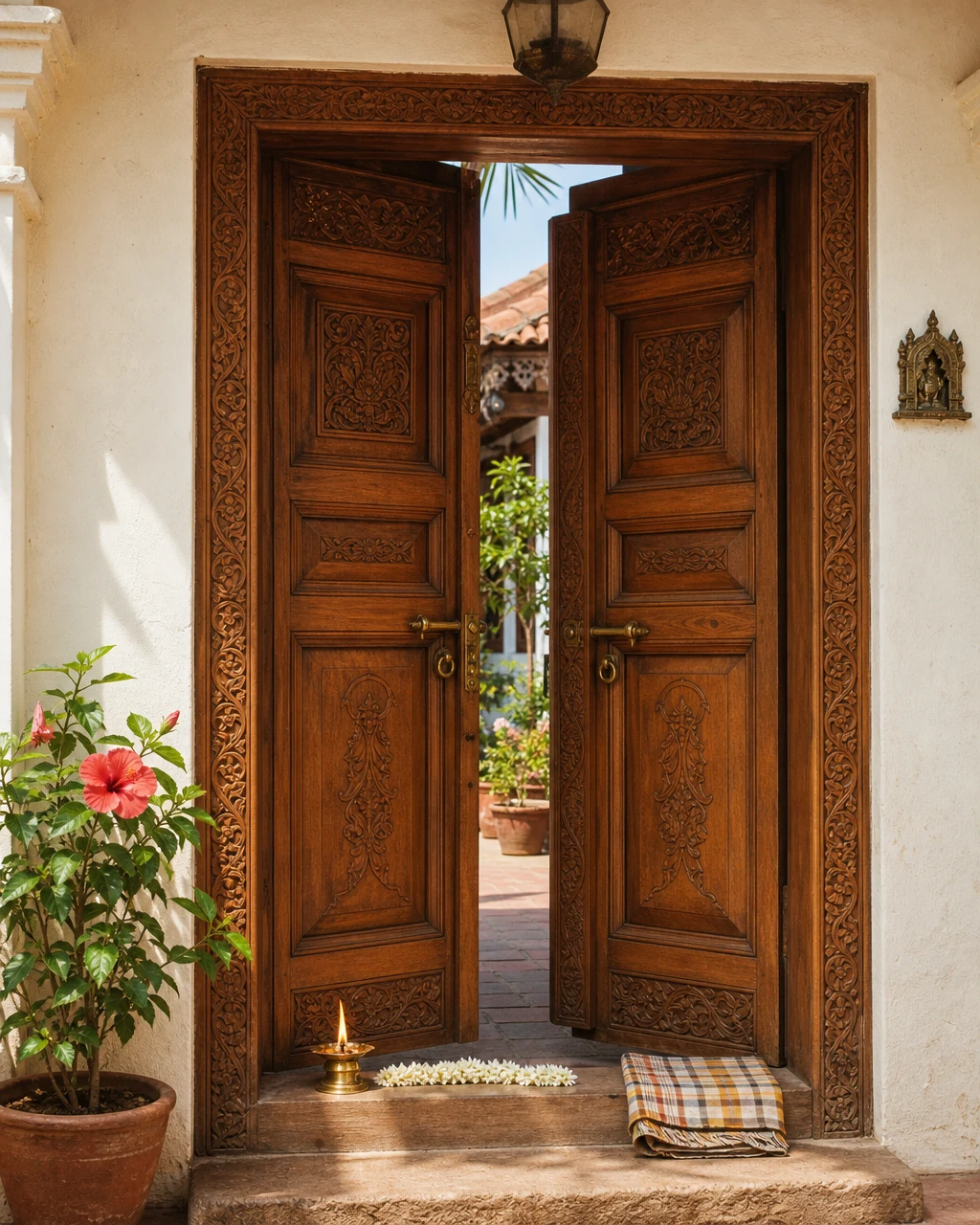
The recommended system.
Two finishing looks: a self-priming clear oil for natural wood (no primer), or an opaque lacquer that needs a primer first — white or colour. Pick the look, then the product.
Interior doors, frames and skirting finish one of two ways. For natural wood, this is the clear-oil system we specify — self-priming, no primer needed. For a painted look, see the opaque lacquer route below.
For doors, frames and skirting where you want the wood to show. The clear oil is self-priming — no separate primer.
A different intent: instead of a clear oil, cover the wood in a solid white or colour. The lacquers are film finishes — unlike the self-priming oils above, they need Resin Lacquer Primer 810 first. Pick white or coloured.
Primer first
Whichever routine you pick.
White lacquer
Primer, then a high-cover white topcoat.
Coloured lacquer
Primer, then a colour or custom tint.
Whether you oiled or lacquered, keep doors and trim clean the same way. There is no special maintenance product for this surface — a wipe-down is the routine.
LEINOS makes two honestly different finishes for doors and trim — a self-priming clear oil that keeps the natural wood, and an opaque lacquer that covers it on a primer. We don’t pretend one product does both jobs: pick the look first, and the clear oil needs no primer while the lacquers always start with 810.
Why it’s demanding
What doors, windows and trim put a finish through
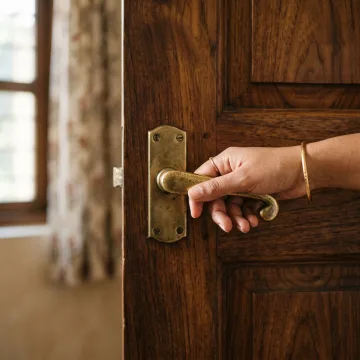
Hands & latches
A door is pushed, pulled and handled at the latch edge dozens of times a day — the finish has to hold that contact without wearing through.
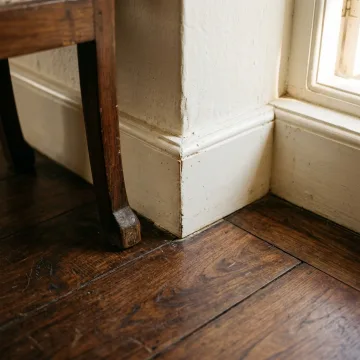
Kicks & knocks
Skirting is kicked and vacuumed against, frames are knocked by furniture — trim takes its wear right on the edges and corners.
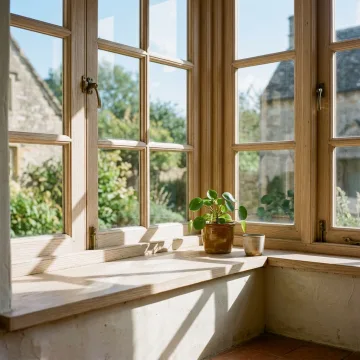
Light on pale wood
Daylight ambers a clear finish over the years — pale ash, maple and white oak doors need an oil built not to yellow.
Show the wood, or cover it — not both at once.
A clear oil lives in the timber and keeps the grain; an opaque lacquer builds a hard painted film over a primer. They are different chemistries for different looks — choosing well at the start is the whole job.
See it in real projects.
All projects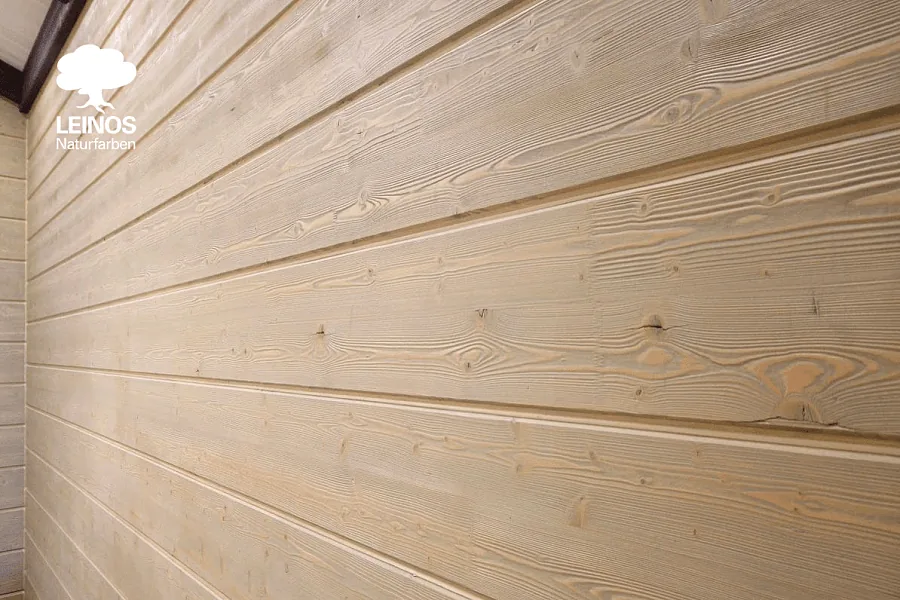
Noida, Uttar Pradesh
Brushed Pine Paneling with Whitewash Effect
View project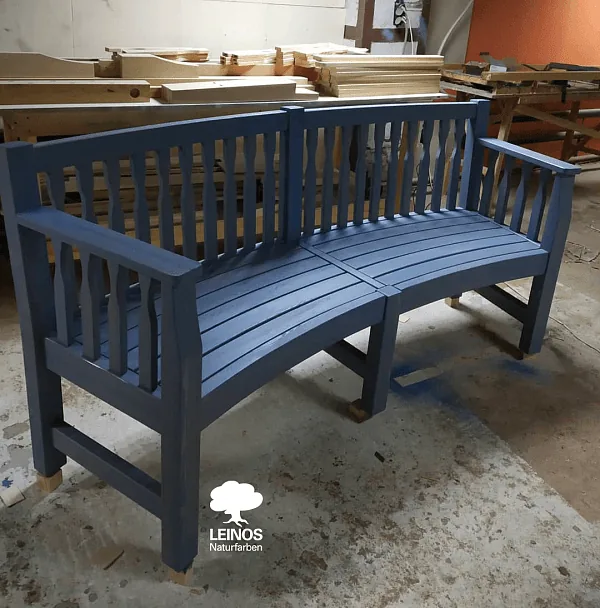
Pune, Maharashtra
Curved Garden Bench Painted in Blue
View project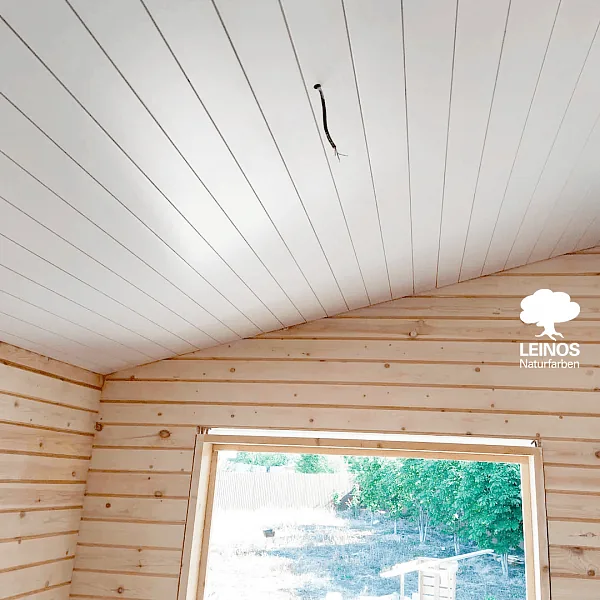
Pune, Maharashtra
White-Lacquered Tongue-and-Groove Ceiling
View project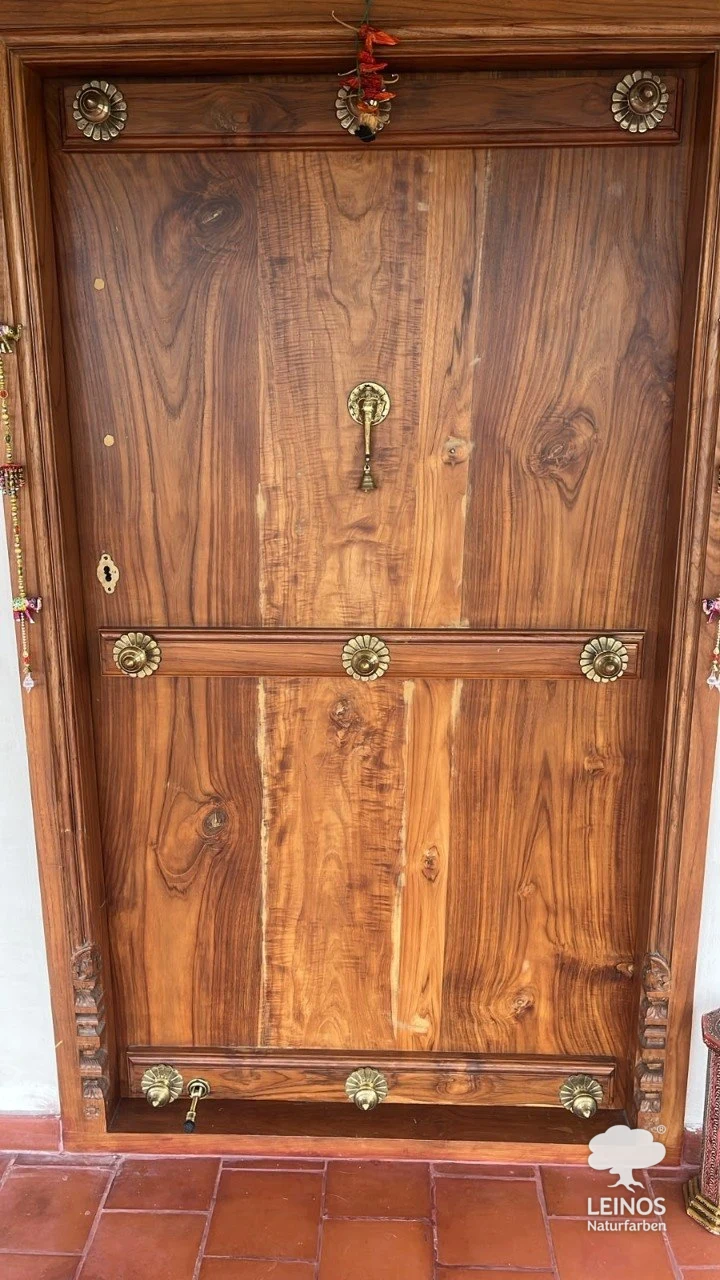
Bengaluru, Karnataka
Teak Joinery and a Stone Column, Oiled in a Bengaluru Home
Same family · finished with 290
View projectGot Questions?
Questions about doors, windows & frames
Quick answers on formulation, application and Indian-climate suitability. Pulled from our full FAQ and TDS library.
- It depends on the look. A clear oil — Hard Oil Clear 241 — keeps the natural wood grain visible and is renewed in place. An opaque lacquer — White Lacquer 820 or Finishing Lacquer 840 over Resin Lacquer Primer 810 — covers the wood in a solid white or colour. They are different chemistries: choose the look, then the product.
- Only for the lacquer route. Hard Oil Clear 241 is a self-priming penetrating oil — the first coat primes, so there is no separate primer. The opaque lacquers are film finishes that need Resin Lacquer Primer 810 first, then White Lacquer 820 or Finishing Lacquer 840 on top.
- Hard Oil Clear 241. It is a safflower-oil finish built not to yellow, so pale ash, maple and white oak keep their light tone under years of daylight. It is for unstressed interior wood, which suits doors, frames and skirting; apply a minimum of two coats.
Ready to finish your doors and trim?
Open a product to download its TDS, or talk to a LEINOS specialist about your wood, the look you want and whether to oil or lacquer before you order.
Written by the LEINOS India technical team, in collaboration with
Reincke Naturfarben R&D, Lower Saxony.
Last updated