Inside · Furniture & Cabinets
Furniture that only looks better the longer you keep it.
Bare or tired timber, sealed from the inside — so tables, shelving and built-ins can be cleaned, re-waxed and spot-repaired for years, never stripped back. Here’s the system we specify for interior wood furniture and cabinets.
- Tables
- Shelving
- Cabinets
- Vintage
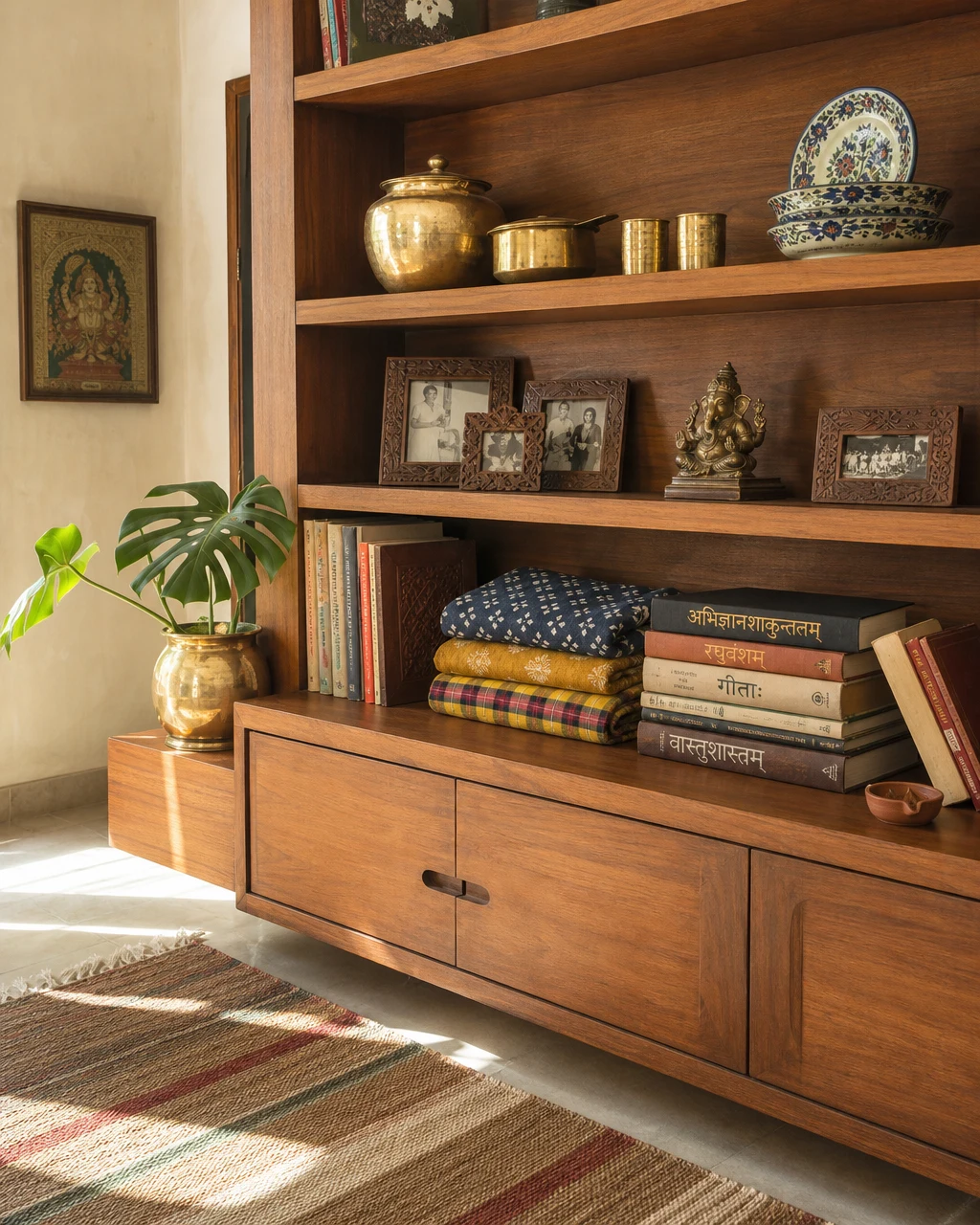
The recommended system.
Three self-priming oils to choose from, no separate primer, then a wax polish to keep them — plus a dedicated vintage route when you want an antique look.
For everyday wood furniture and cabinets, this is the system we specify — the finish, the care that keeps it, and a separate route when you want a vintage look. Pick one finish; the oils need no primer.
Finishing a hard-working tabletop or sideboard top? Interior Hardwax Oil 290 builds a sealed, hardwearing micro-wax layer for daily-use horizontal tops. It’s engineered for floors and stairs — furniture isn’t a named use in its TDS — but its hardness suits a tabletop where the oils above would wear faster.
290Interior Hardwax OilOnce the oil has cured, keep the oiled finishes above with a simple two-step routine. (The vintage and chalk-painted routes below are cared for with Vintage Finish 635 instead — not this polish.)
A different intent: instead of a clear finish, build a tinted layered antique look or an opaque painted one. Each is its own self-contained system — including its own care — so it doesn’t take the clear oils or polish above.
Layered vintage glaze
Ground, colour, then a wax finish.
Opaque chalk paint
An opaque, matte painted finish.
LEINOS makes one clear-oil family for everyday wood furniture and a separate Vintage technique for an antiqued look — we don’t pretend a single product does both jobs. The clear oils need no primer; the vintage chain (331 · 668 · 635) is a sequence made to work together.
Why it’s demanding
What everyday furniture asks of its finish
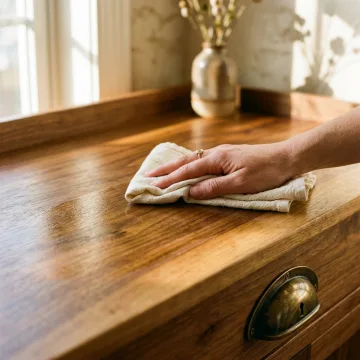
Hands & wiping
Drawers pulled, surfaces dusted, doors opened — furniture is touched and cleaned every single day.
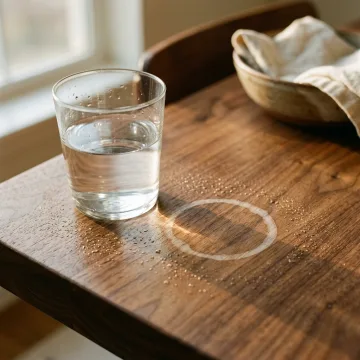
Rings & spills
Water rings, hot mugs and spills mark an unprotected tabletop in seconds.
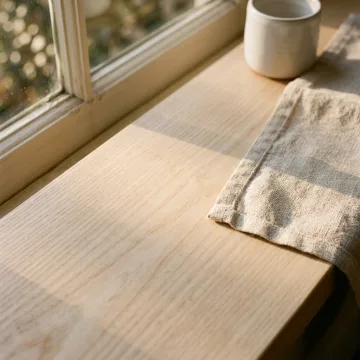
Light on pale wood
Daylight ambers a clear finish over the years — pale ash, maple and oak need an oil built not to yellow.
Furniture you repair, not replace.
A film finish chips at every edge and eventually has to be stripped. An oil that hardens inside the wood is renewed in place — a scuffed tabletop is cleaned and re-waxed, not sanded back to bare timber.
See it in real projects.
All projects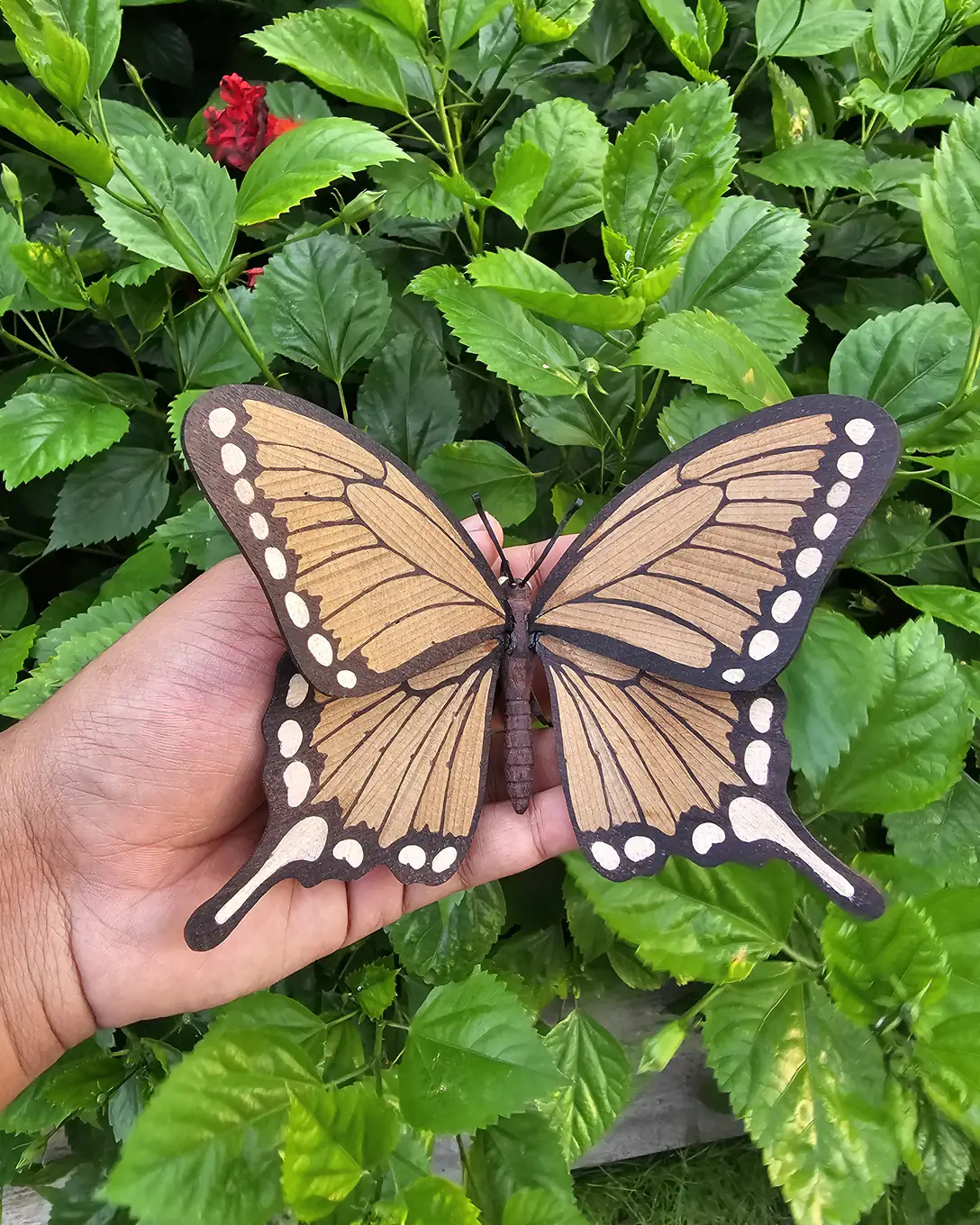
Bengaluru, Karnataka
Marquetry Butterfly in Five Woods by Haris, Bengaluru
View project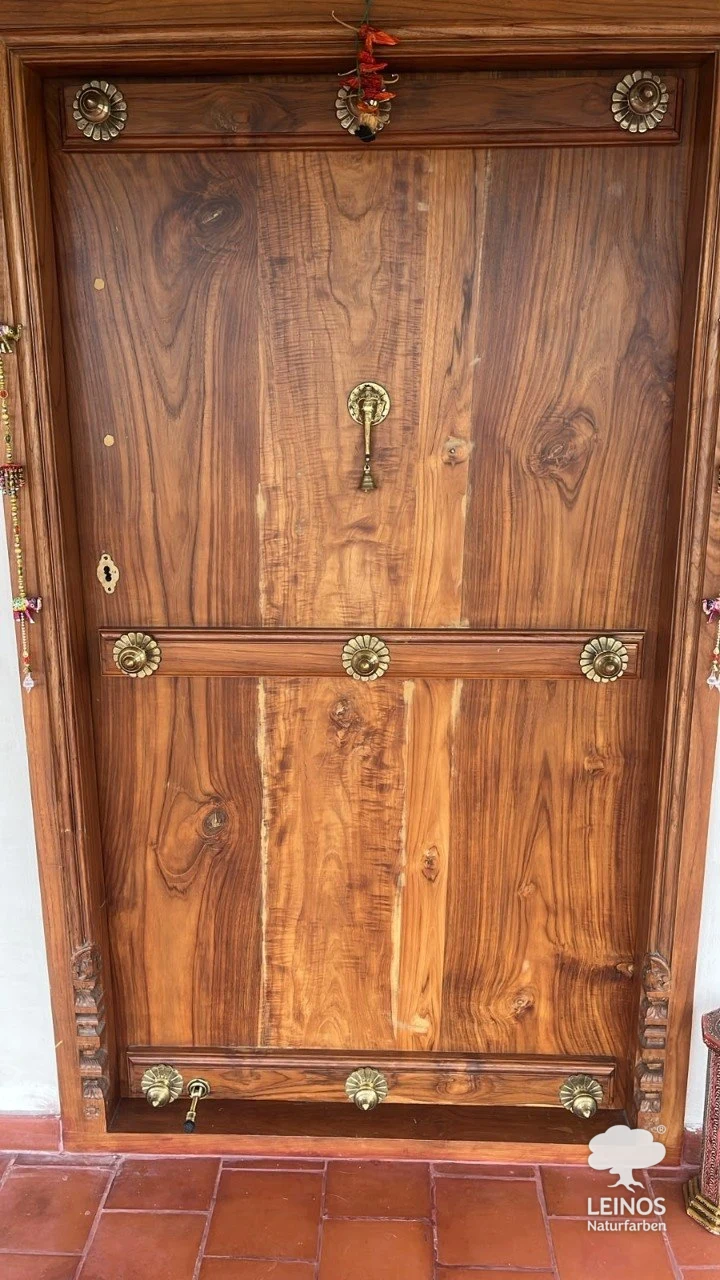
Bengaluru, Karnataka
Teak Joinery and a Stone Column, Oiled in a Bengaluru Home
View project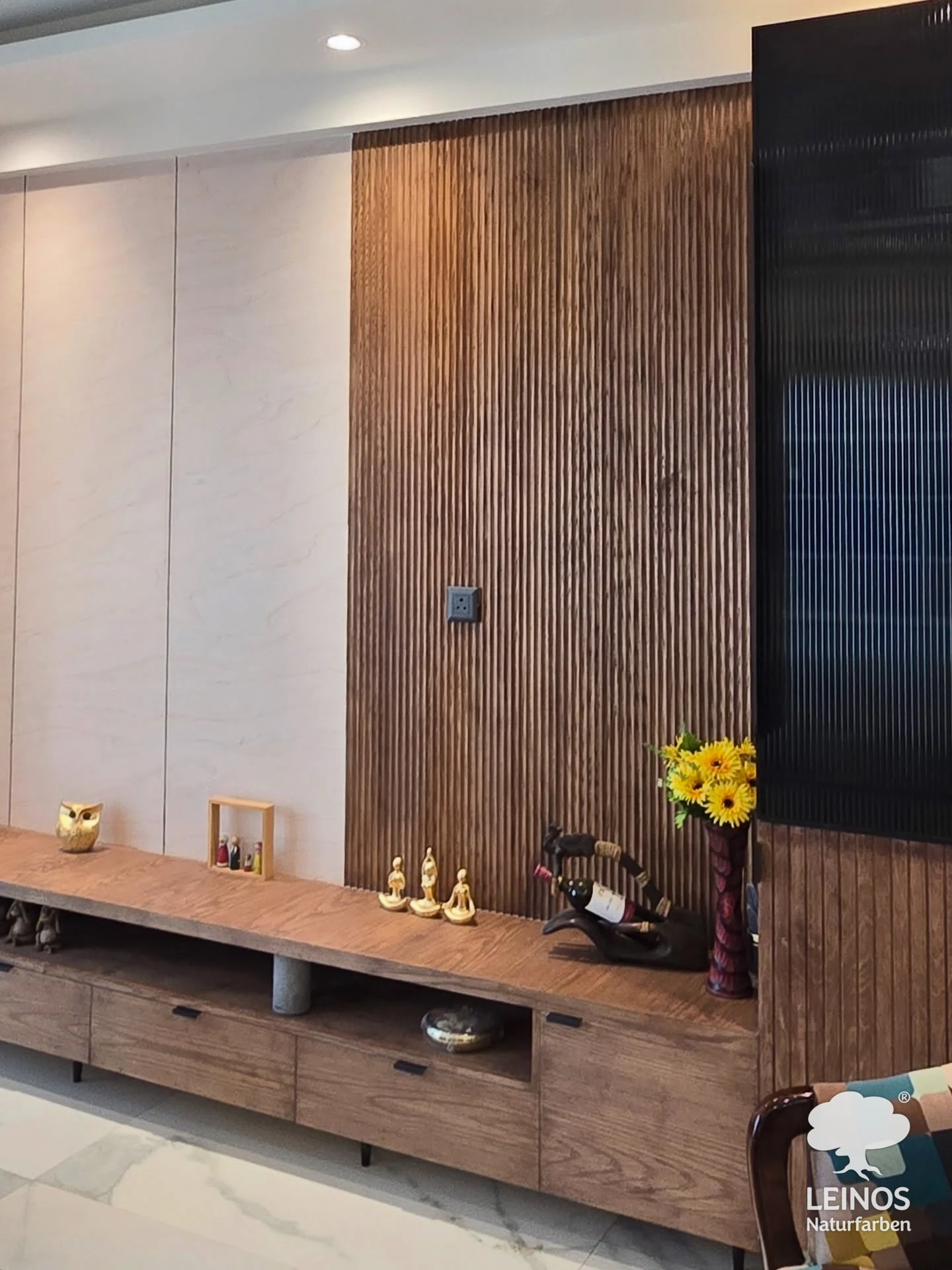
Gurgaon, Haryana
Whole-Home Wood Transformation in Gurgaon
View project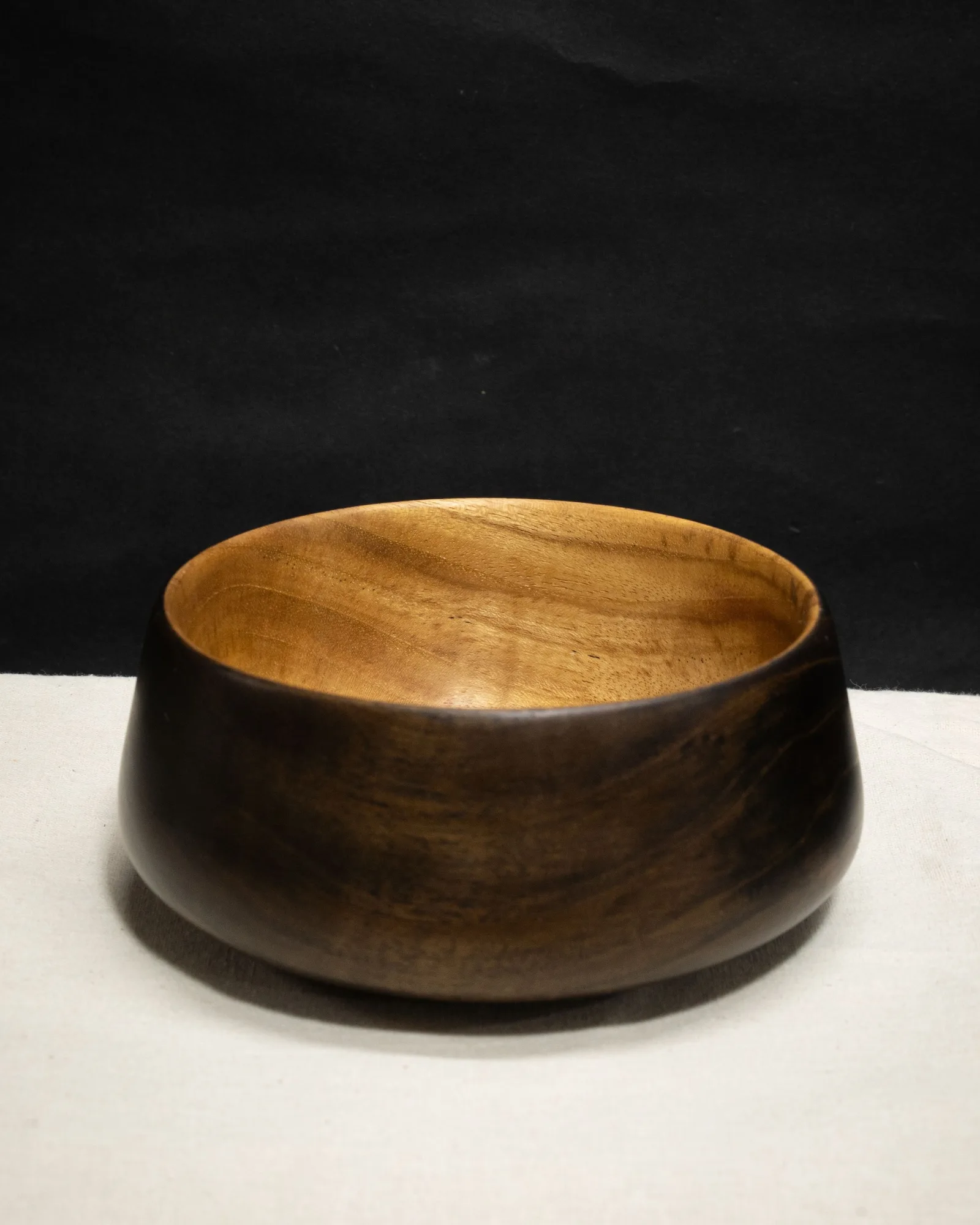
Shimla, Himachal Pradesh
Turned Wood Bowls by Kathkani Studio, Shimla
View projectGot Questions?
Questions about furniture & cabinets
Quick answers on formulation, application and Indian-climate suitability. Pulled from our full FAQ and TDS library.
- No. Hard Oil 240, Hard Oil Clear 241 and Hard Oil Universal 259 are self-priming penetrating oils — the first coat primes the wood, so there is no separate primer for an interior oiled furniture finish. The vintage route is different: it starts with its own base coat, Vintage Wood Ground 331.
- Hard Oil Clear 241. It is a safflower-oil finish made not to yellow, so pale ash, maple, birch and white oak keep their light tone. 241 is intended for unstressed surfaces, so for a pale, heavily-used tabletop talk to us about the right protection.
- The clear oils (240, 241 and 259) bring out the natural wood and are maintained with Furniture Polish 910. The vintage route is a deliberate, layered look — Vintage Wood Ground 331, Pigment Concentrate 668 and Vintage Finish 635 — or an opaque chalk paint (637). Vintage and chalk-painted surfaces are sealed and cared for with Vintage Finish 635, not 910.
- Wipe the surface with Vegetable Soap 930, then feed and protect it with Furniture Polish 910 — a water-repellent wax polish for oiled and waxed furniture. Reapply when the surface starts to look dry. Chalk-painted and vintage pieces are cared for with Vintage Finish 635 instead.
Ready to finish your furniture?
Open a product to download its TDS, or talk to a LEINOS specialist about your timber, your piece and the look you want before you order.
Written by the LEINOS India technical team, in collaboration with
Reincke Naturfarben R&D, Lower Saxony.
Last updated