Solutions
Kitchen Wood & Food-Contact Standards
Oils that meet food-contact standards — and look like it matters.

Who really feels this in India
- Premium kitchen owners specifying solid-wood worktops, butcher blocks, or live-edge dining tables — where the finish must meet food-contact standards by law, not by marketing.
- Restaurant and café designers building open kitchens, chef tables, and serving counters in Mumbai, Bangalore, and Goa — needing oil systems compliant with Regulation (EC) 1935/2004 and the German LFGB food law.
- Modular kitchen specifiers selecting wood finishes for shutters, pull-out boards, and exposed shelving in food-prep zones — and seeking auditable certificates for client handover.
How LEINOS answers this
The LEINOS product system for this pain
Lab evidence
Documented, not claimed.
Independent labs, named standards, batch-traceable certificates.

Specifier questions
What architects and homeowners ask first.
What is the legal difference between "food-safe" marketing and EC 1935/2004 / LFGB compliance?
"Food-safe" is a self-declared marketing phrase with no fixed definition. Regulation (EC) 1935/2004 is the binding EU framework for any material intended to contact food; the German LFGB is the federal food and feed code that implements and extends it. Compliance is demonstrated by a third-party lab certificate — WESSLING CAL24-0568511 for LEINOS 280 — published on the product page for download.
Can I use the same LEINOS oil on a salad bowl, a cutting board, and a dining-table top?
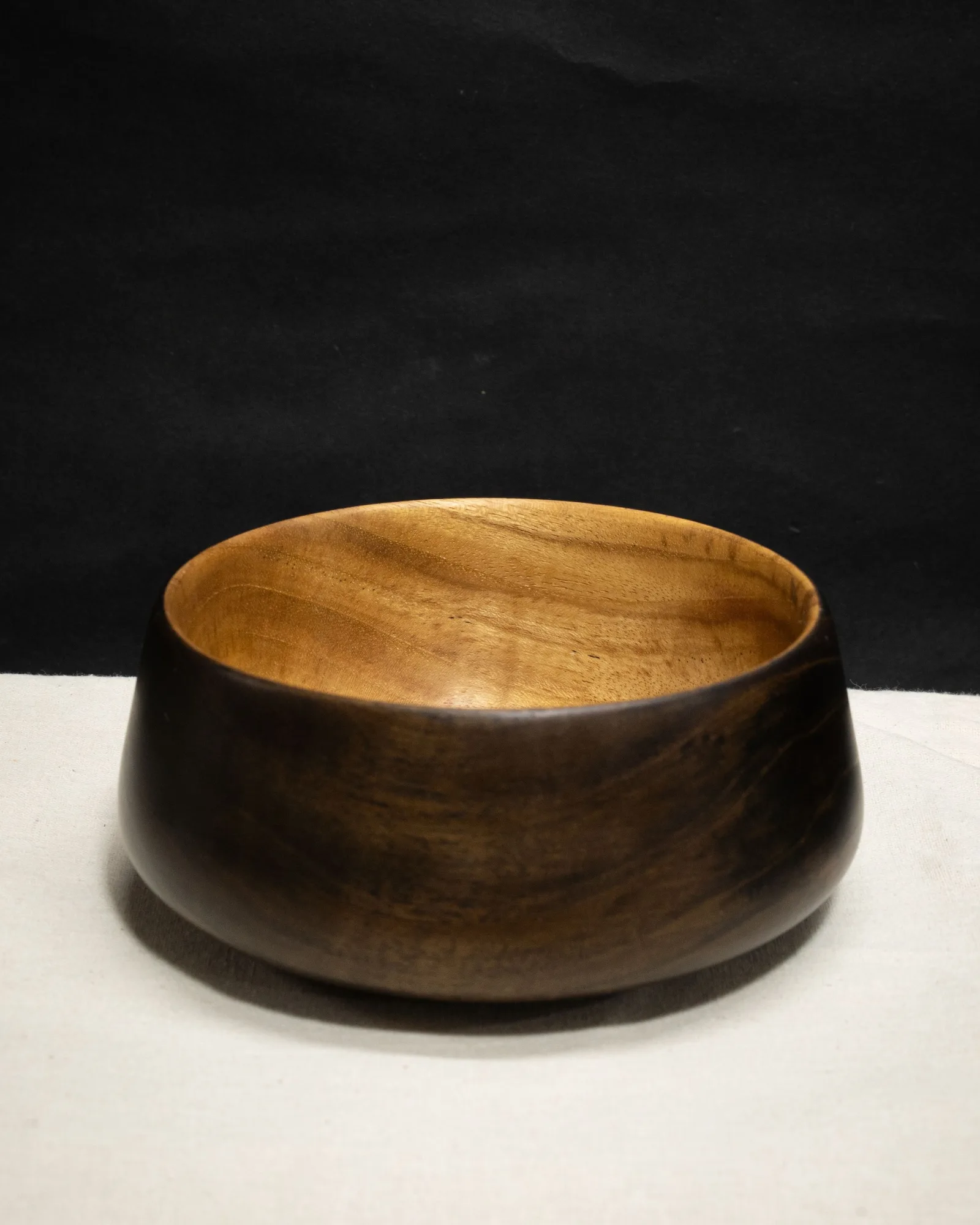
Yes — 280 countertop oil covers all direct food-contact wooden surfaces, including bowls, cutting boards, and butcher-block worktops. For dining-table tops that see daily wipe-down but rarely raw-food contact, 290 hardwax oil is the more typical specification because its harder surface resists wine stains and cutlery scratch better. Both are linseed-based, fully compatible, and from the same product family.
How often does a LEINOS-oiled kitchen worktop need refreshing in an Indian kitchen?
Refresh when the surface tells you — when the wood starts to look dry or water stops beading. The procedure is single-coat: clean the surface with mild soap, dry overnight, apply a thin coat of 280 with a lint-free cloth, wipe excess. No sanding, no downtime beyond the dry interval. Heavier use — a chef table, a daily-chop worktop — simply shortens the interval; lighter use stretches it.