Renew & Care · Care & Renewal
Finishes that renew in place — never stripped, never started over.
Tired oiled floors, dry furniture, greyed outdoor timber — cleaned, refreshed and re-oiled where they wear, not sanded back to bare wood. Here is how we keep each surface, indoors and out.
- Floors
- Furniture
- Exterior wood
- Greyed timber
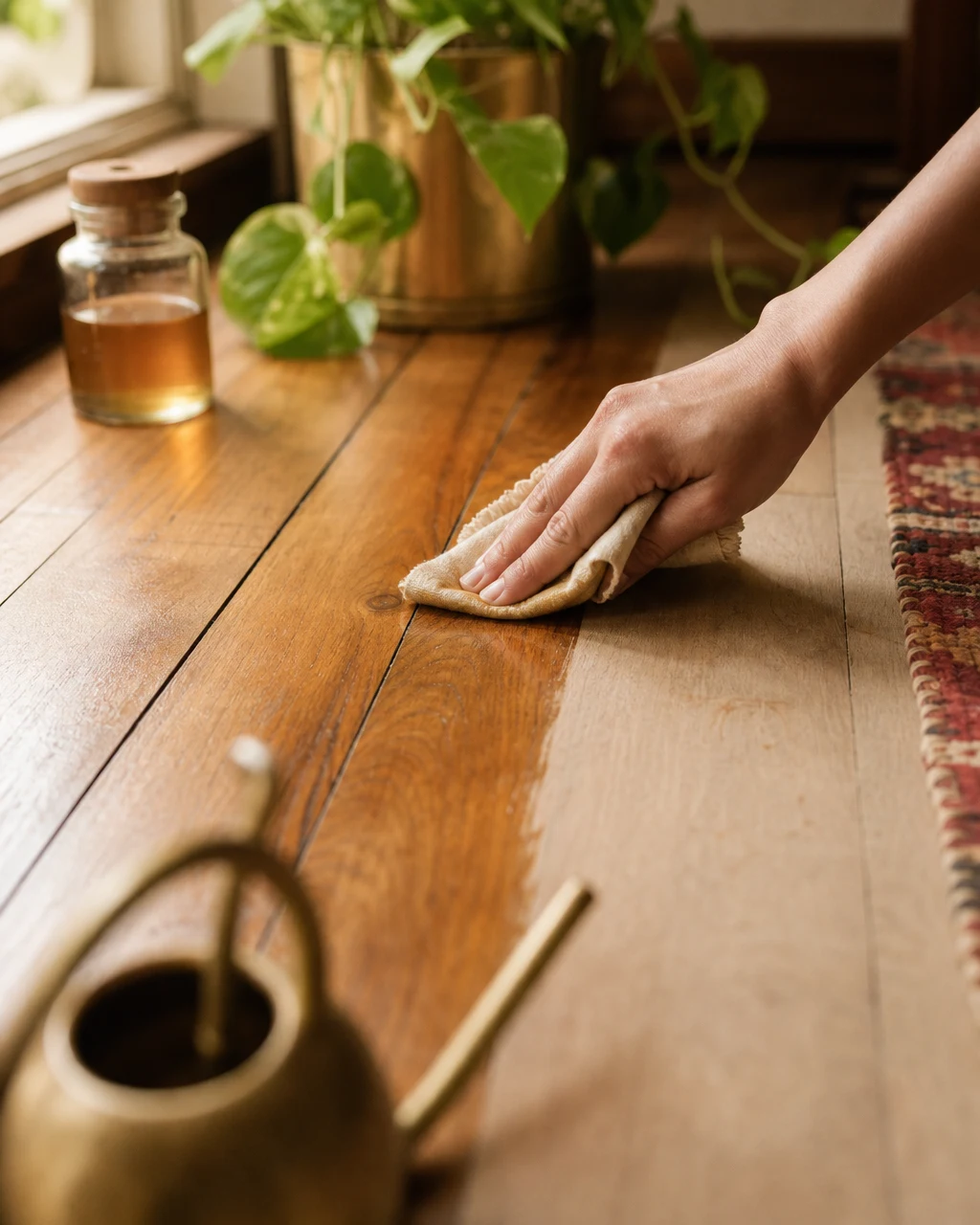
The recommended system.
Three surface-family routines: clean then re-wax OR re-oil a floor, clean then feed furniture, and de-grey then re-oil exterior wood — pick the routine that matches the surface.
There is no single care product for every surface. This is the routine we specify for each family — pick the one that matches what you are keeping, and stay on it.
Clean an oiled or waxed floor with Vegetable Soap 930, then keep it with one path — not both. A wax-care refresh (Floor Milk 920) and a re-oil (Oil Refurbisher 285) are not stacked on the same floor: the wax layer stops fresh oil from soaking in. Pick the routine that suits the floor and stay on it.
Clean first
Whichever routine you pick.
Routine wax care
A thin natural-wax refresh for everyday upkeep.
Keep oiled and waxed interior furniture with a simple two-step routine: a plant-based clean, then a feeding wax polish. (Vintage and chalk-painted pieces are cared for with Vintage Finish 635 instead — see the note below.)
Greyed outdoor timber is renewed in two stages: bring the colour back with Anti-Greying Fluid 940, then re-oil — 940 cleans but offers no protection on its own, so the oil is essential. Choose the exterior oil to match the timber. (Vegetable Soap 930 is an interior product and is not used outdoors — 940 cleans with a brush and plenty of water instead.)
Renew first
Whichever routine you pick.
Terraces & decking
For greyed terrace and deck boards.
Teak & garden furniture
For teak and tropical-hardwood pieces.
Every routine above keeps a finish LEINOS already made — clean, refresh, re-oil, never strip and start over. Two scopes sit outside it: Vintage-technique and decorative-wall surfaces are maintained with their own product, Vintage Finish 635 (a natural-wax emulsion, not a general wall or furniture care), and plain painted walls have no care product at all — their renewal is a repaint. When an oiled surface is worn back to bare wood, the honest path is a full re-finish, not more care.
Why it’s demanding
What wears a finish down over time
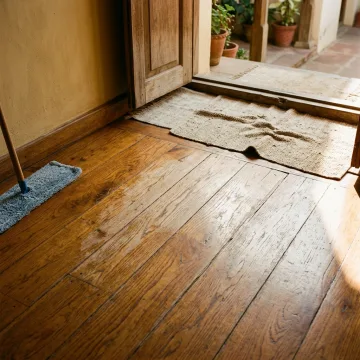
Worn traffic lanes
Doorways, stair treads and the path to the sofa wear first — the finish thins where life happens before anywhere else.
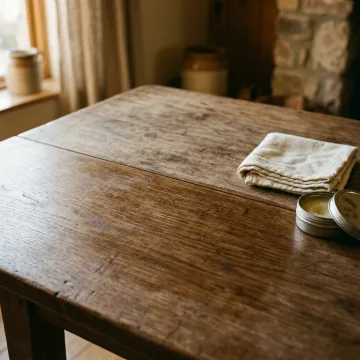
Dryness & dullness
Cleaning, sun and time draw the oils out of a finish — surfaces lose their lustre and start to look thirsty and tired.
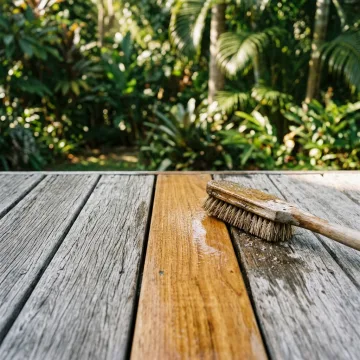
Greyed exterior wood
Outside, UV and rain turn even good timber silver-grey — the warm tone has to be brought back before the wood is re-oiled.
Renew in place. Never strip and start over.
A film finish fails all at once, and the only honest fix is sanding the whole surface back to bare wood. An oil finish is maintained zone by zone — a worn lane is re-oiled, a dull tabletop is fed, greyed timber is brought back to colour. The finish you applied is the one you keep.
See it in real projects.
All projects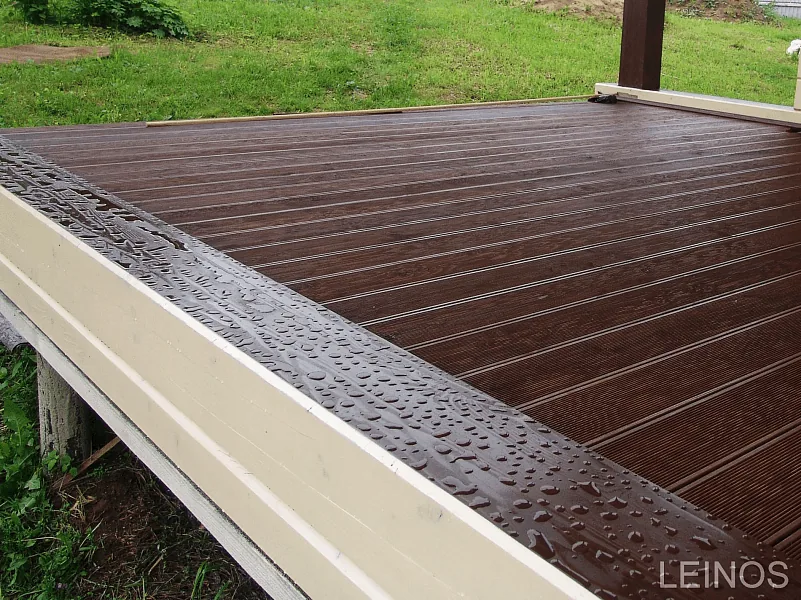
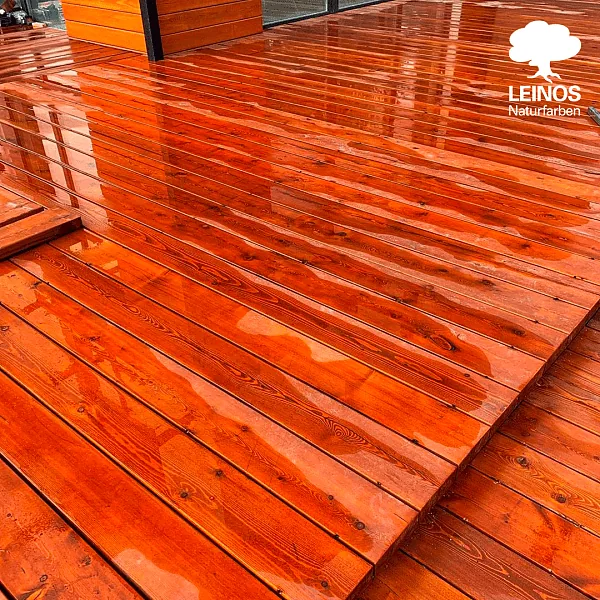
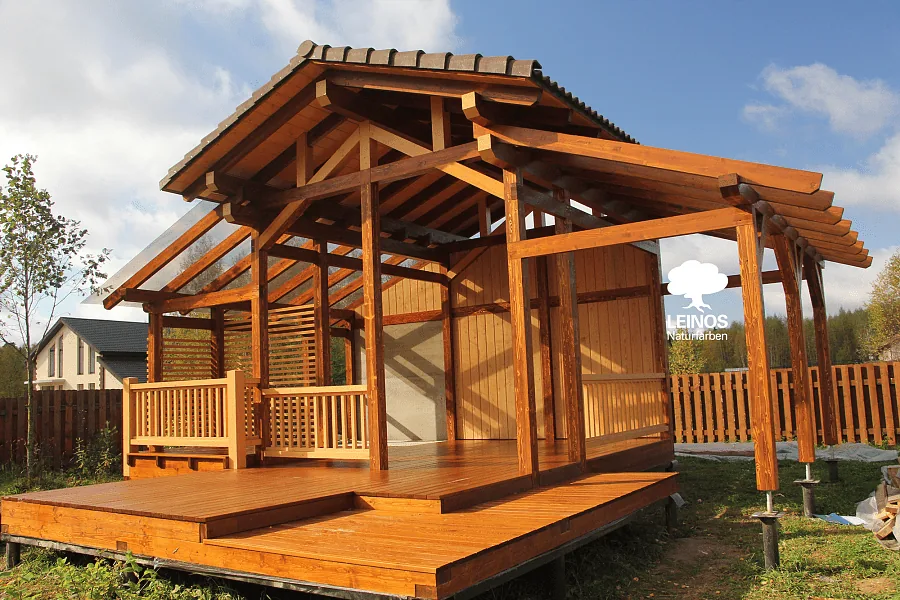
Got Questions?
Questions about care & renewal
Quick answers on formulation, application and Indian-climate suitability. Pulled from our full FAQ and TDS library.
- Clean regularly with Vegetable Soap 930 (damp-mop, never soaking — about 30–50 ml per 10 L water). Then choose one care path and stay on it: routine wax care with Floor Milk 920, or re-oiling worn zones with Oil Refurbisher 285 when wear becomes visible. Do not combine the two on the same floor — a wax-care layer stops re-oiling from soaking in.
- Wipe the surface with Vegetable Soap 930, then feed and protect it with Furniture Polish 910 — a water-repellent wax polish for oiled and waxed interior furniture. Apply thinly along the grain with a soft cloth and reapply when the surface starts to look dry. Vintage-technique and chalk-painted pieces are cared for with Vintage Finish 635 instead, not 910.
- Yes — the de-greying itself needs no sanding. Anti-Greying Fluid 940 restores the warm tone of greyed exterior timber: apply it, allow about 15 minutes (up to 1 hour for heavy greying), scrub with a brush and plenty of water, rinse, then leave 1–2 days to dry. Before re-oiling, sand lightly (TDS). 940 is not a coating and gives no protection on its own, so it is always followed by an exterior oil — Terrace Wood Oil 236 for decking, or Teak Oil 223 for teak and garden furniture.
- No — Vegetable Soap 930 is an interior product. Outdoor timber is cleaned and de-greyed with Anti-Greying Fluid 940, which works with a brush and plenty of water rather than soap, and is then re-oiled. Keep 930 for interior oiled and waxed floors, furniture and worktops.
Not sure which routine your surface needs?
Open a product to download its TDS, or talk to a LEINOS specialist about your finish, your timber and how worn it is before you order.
Written by the LEINOS India technical team, in collaboration with
Reincke Naturfarben R&D, Lower Saxony.
Last updated