Solutions

Mould & Damp Walls

Walls that breathe through moisture, not trap it.

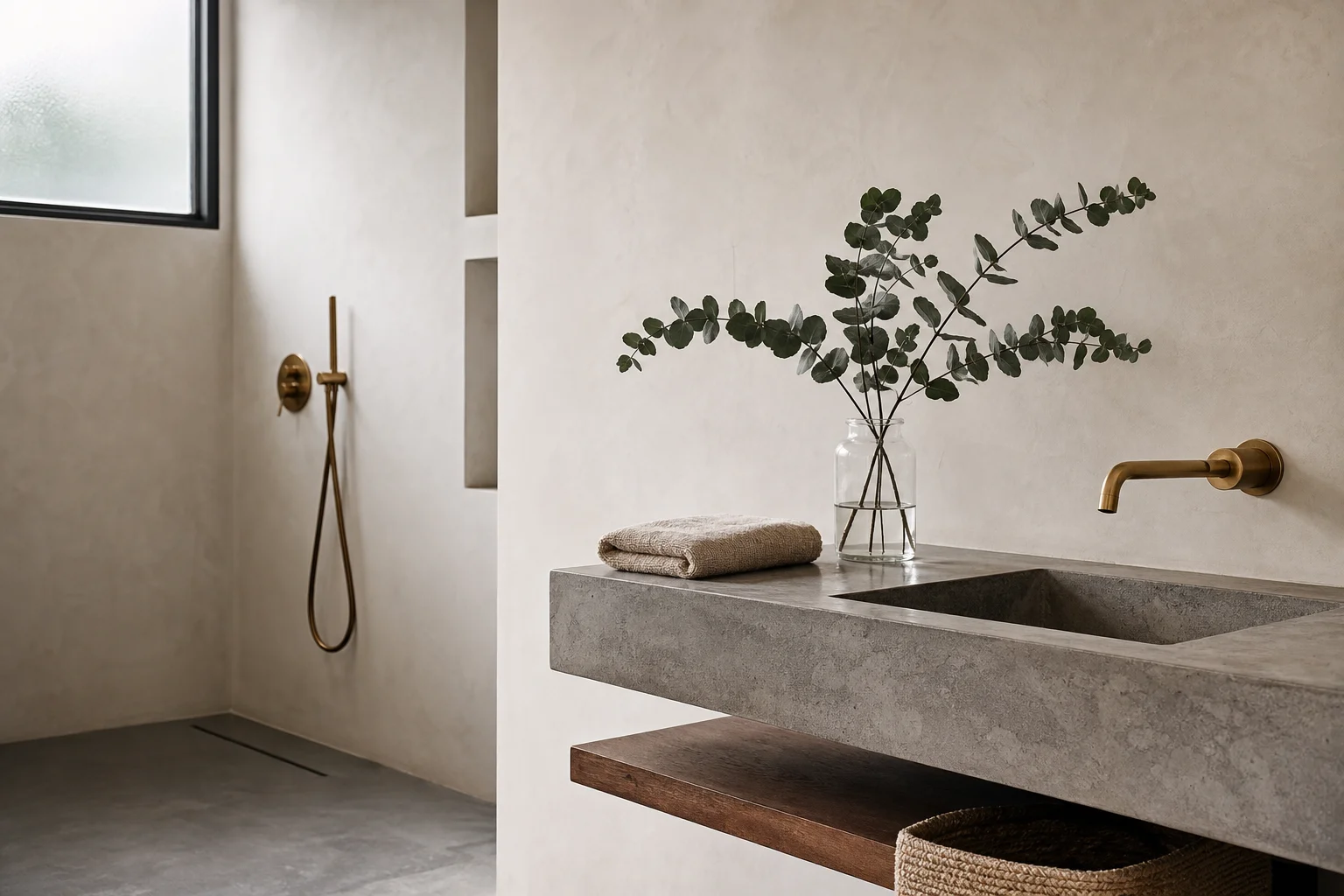
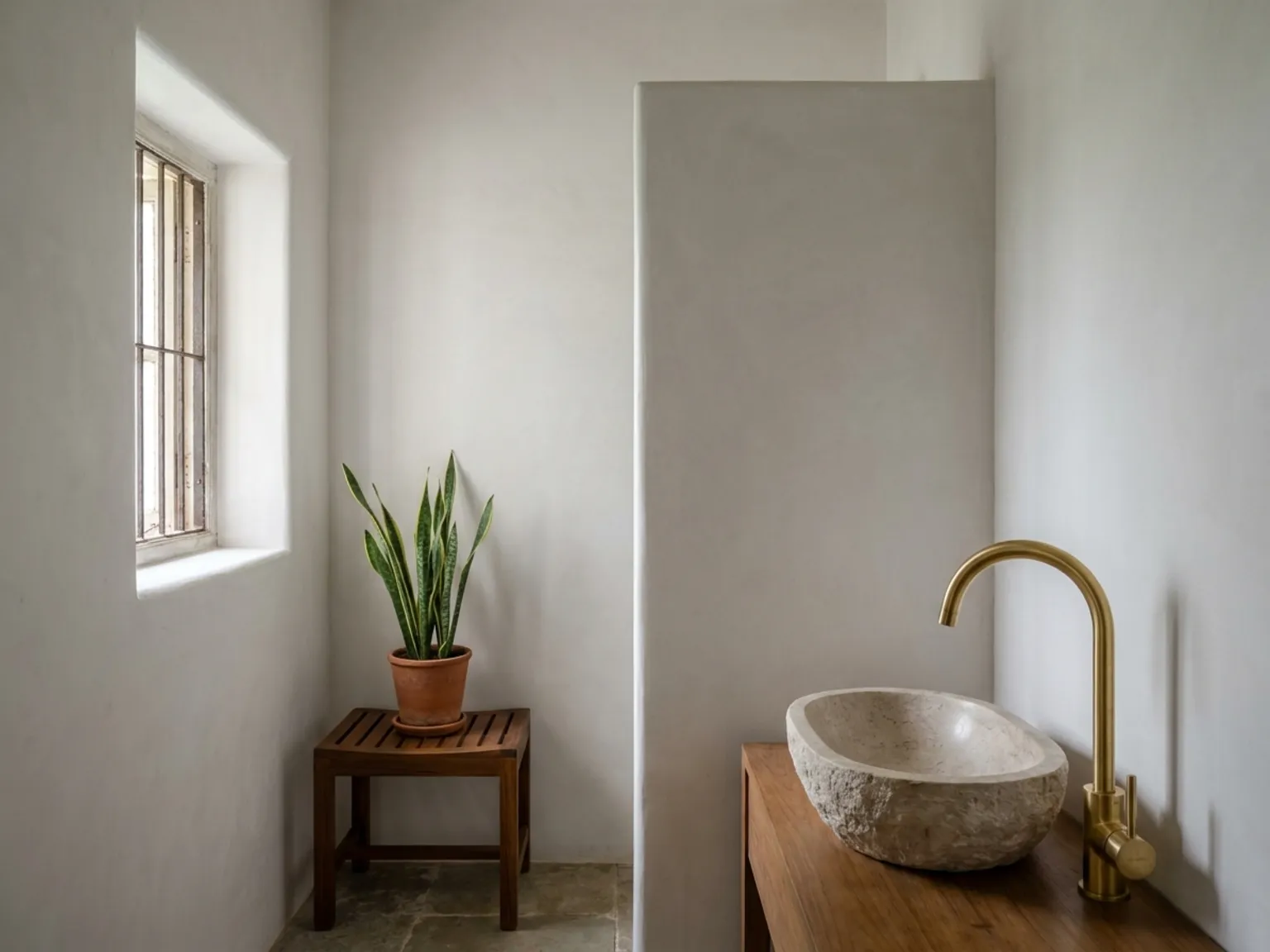
Contemporary Mumbai bathroom with limewashed wall in soft white, polished brass tap, slatted teak stool, snake plant in terracotta pot, late-monsoon morning light

Who really feels this in India

  • Mumbai homeowners with chronic damp on north-facing walls and bathroom ceilings — repainting every 18 months and watching emulsion bubble again.
  • Kerala and coastal Karnataka households fighting monsoon humidity — where biocide-laden acrylic paints buy a season, not a decade.
  • Architects specifying basements, wet-area walls, and ground-floor flats in flood-prone Indian zones — needing breathable systems instead of seal-and-pray.

How LEINOS answers this

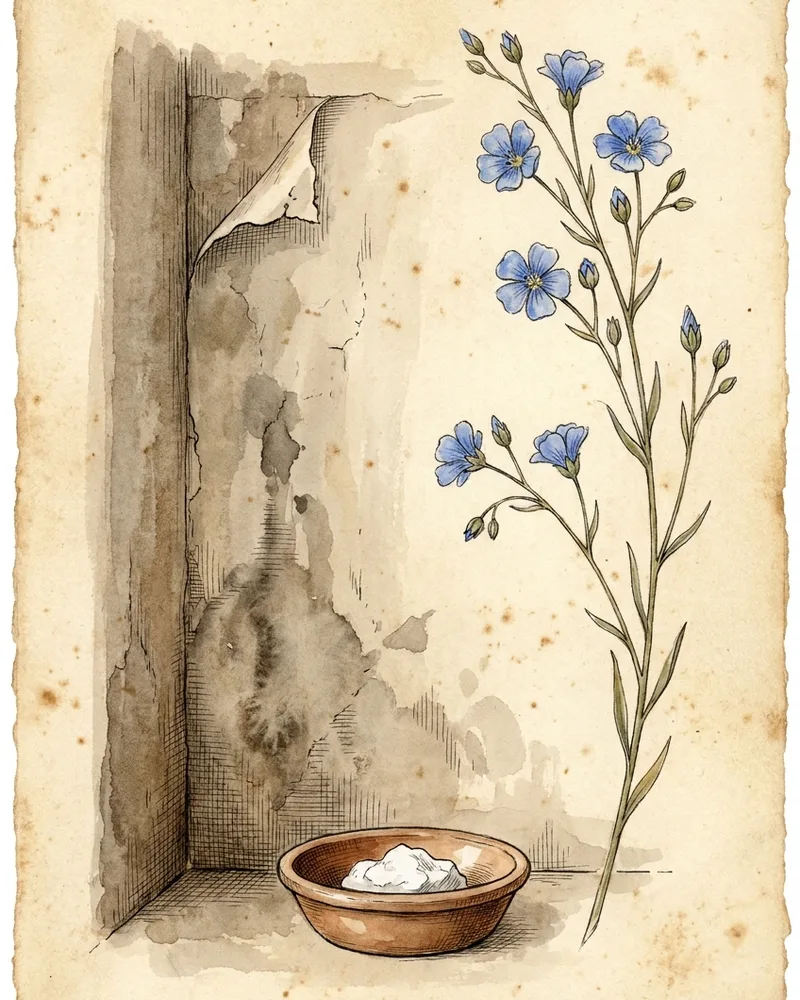
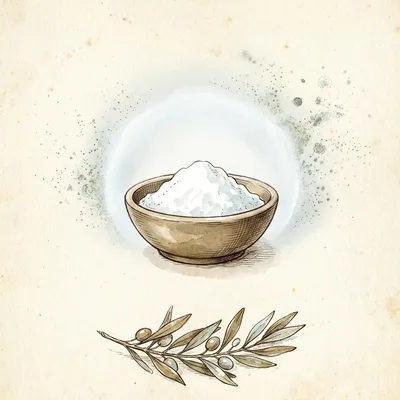
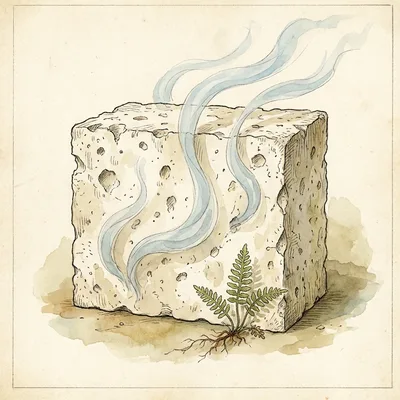
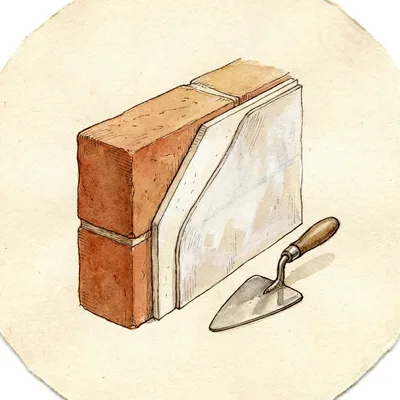
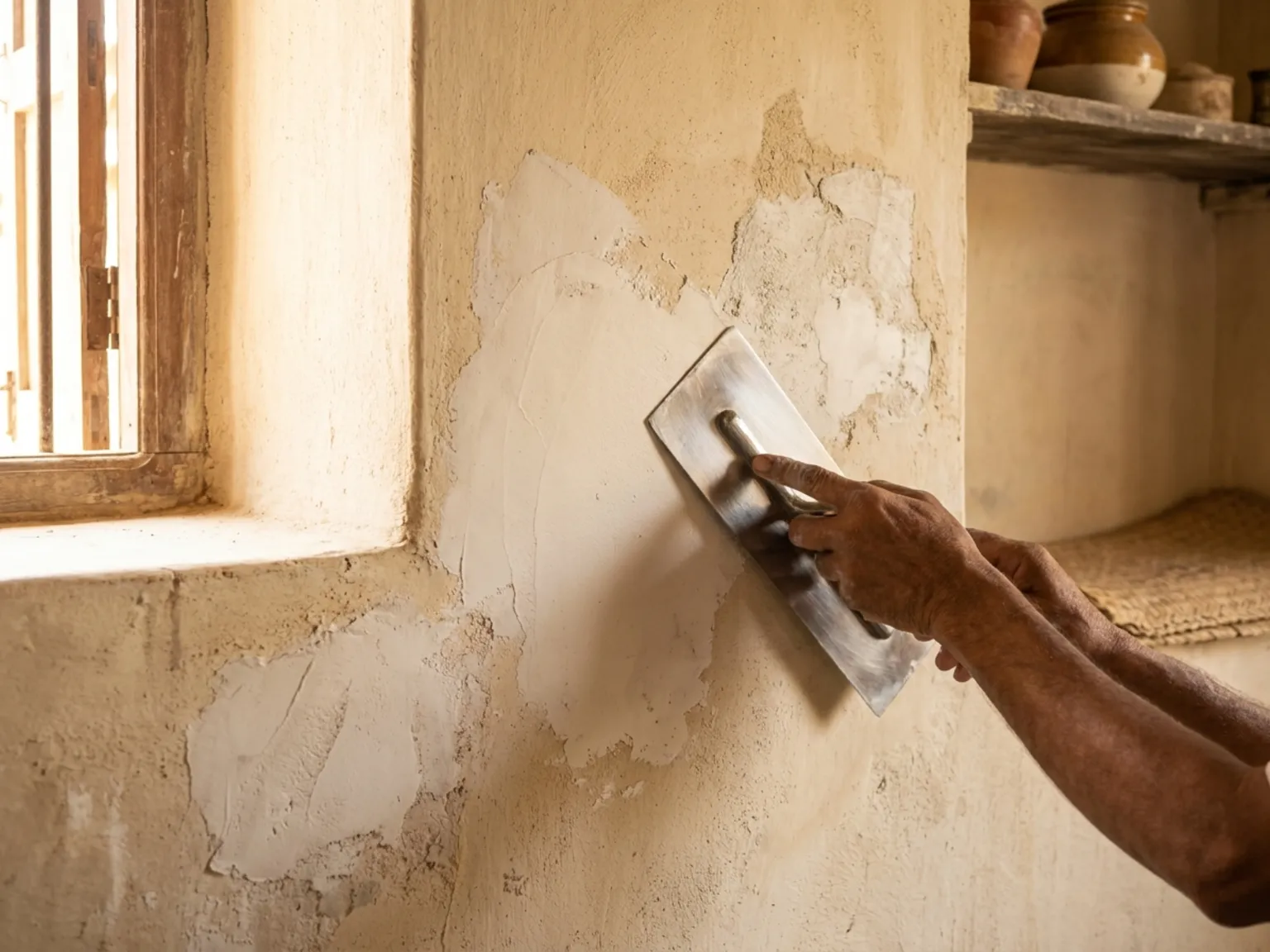
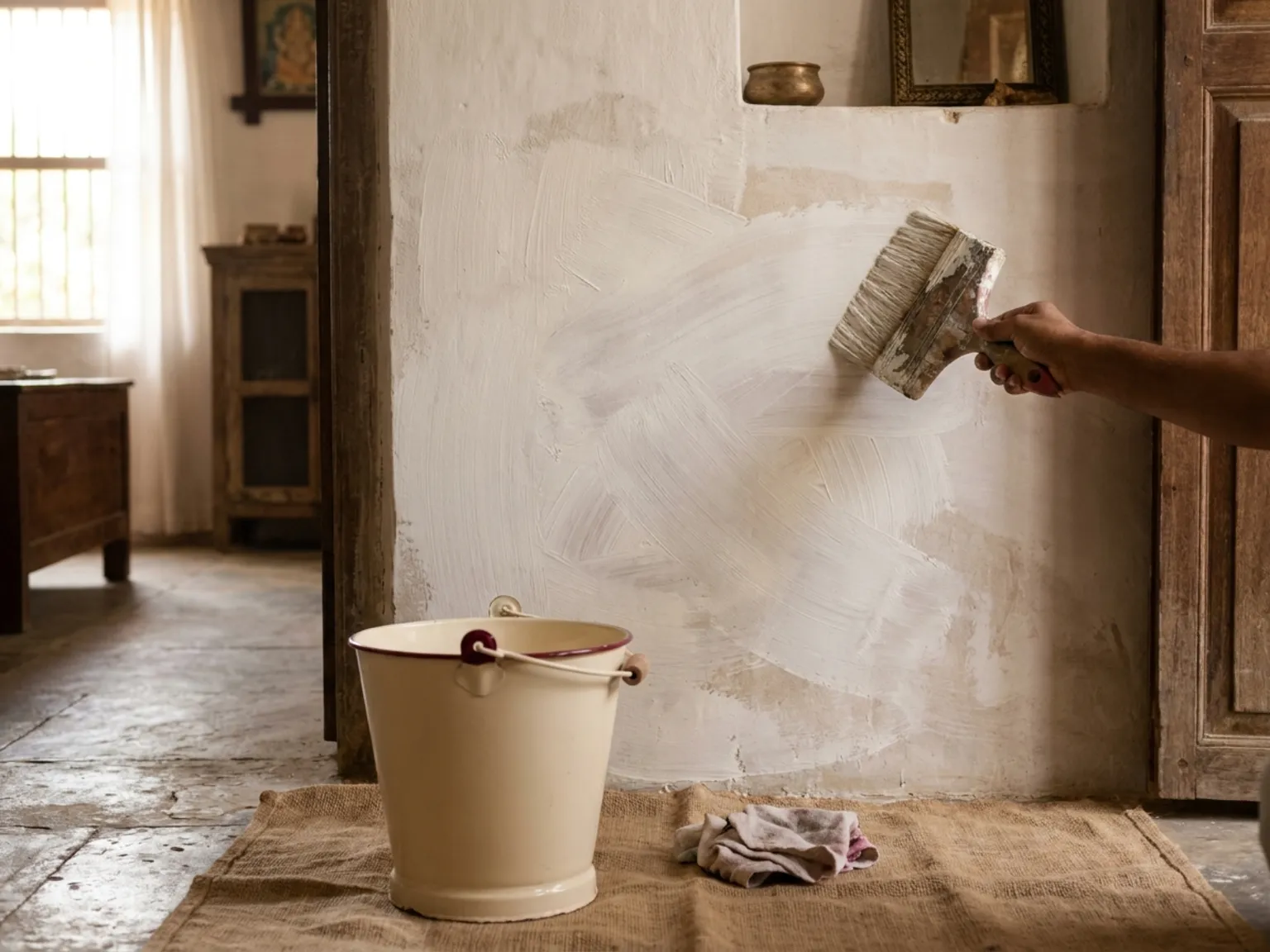
Mould grows on damp emulsions because the emulsion traps moisture against the wall. Acrylic paint forms a sealed plastic film. Vapour rising from the substrate gets pushed back, condenses behind the film, and feeds mould colonies. Biocide additives buy 12-24 months before re-bloom — then the cycle repeats, with biocide load increasing inside the room each repaint. LEINOS solves the mould problem with chemistry, not chemicals. The 622 mineral plaster primer and 665 lime paint system stays open-pored — vapour passes through the wall to the room air, where ventilation handles it. The slaked-lime binder cures at pH 12+, which is naturally hostile to mould spores. No biocides added, no biocides needed. Documented under DIN 18550 for breathable plaster systems and under EN 1062-1 for water-vapour transmission. For interior wet-adjacent zones — corridors near bathrooms, kitchen splash margins, north-facing bedrooms — 660 natural resin emulsion or 650 interior white paint provide a more breathable alternative to standard acrylic. Vapour diffusion (μ-value) is measured an order of magnitude lower than plastic emulsions in independent WESSLING lab tests, so the wall keeps drying outward through the entire monsoon cycle.

Why this is actually natural

Lab evidence

Documented, not claimed.

Independent labs, named standards, batch-traceable certificates.

Specifier questions

What architects and homeowners ask first.

  • Why does my acrylic emulsion keep re-bubbling on the same bathroom wall after every Mumbai monsoon?

    The acrylic film traps monsoon vapour against the wall. Moisture rising from the substrate cannot escape outward, condenses behind the paint, lifts the bond, and creates blisters. Biocides in the paint buy 12-24 months before mould re-colonises. The fix is to remove the film and switch to an open-pored mineral system — 622 primer + 665 lime — so vapour exits through the wall surface instead of being trapped.

  • Is lime paint really anti-mould without any added biocide?

    Yes — slaked lime (calcium hydroxide) cures at pH 12+, which is alkaline enough to suppress mould-spore germination on the wall surface. As the lime carbonates over years, the surface continues to release small amounts of free hydroxide. This effect is documented in WESSLING anti-microbial test reports for 665. No biocides, no fragrances, no preservatives are added.

  • Can I apply 665 lime paint directly over an existing acrylic-painted wall?

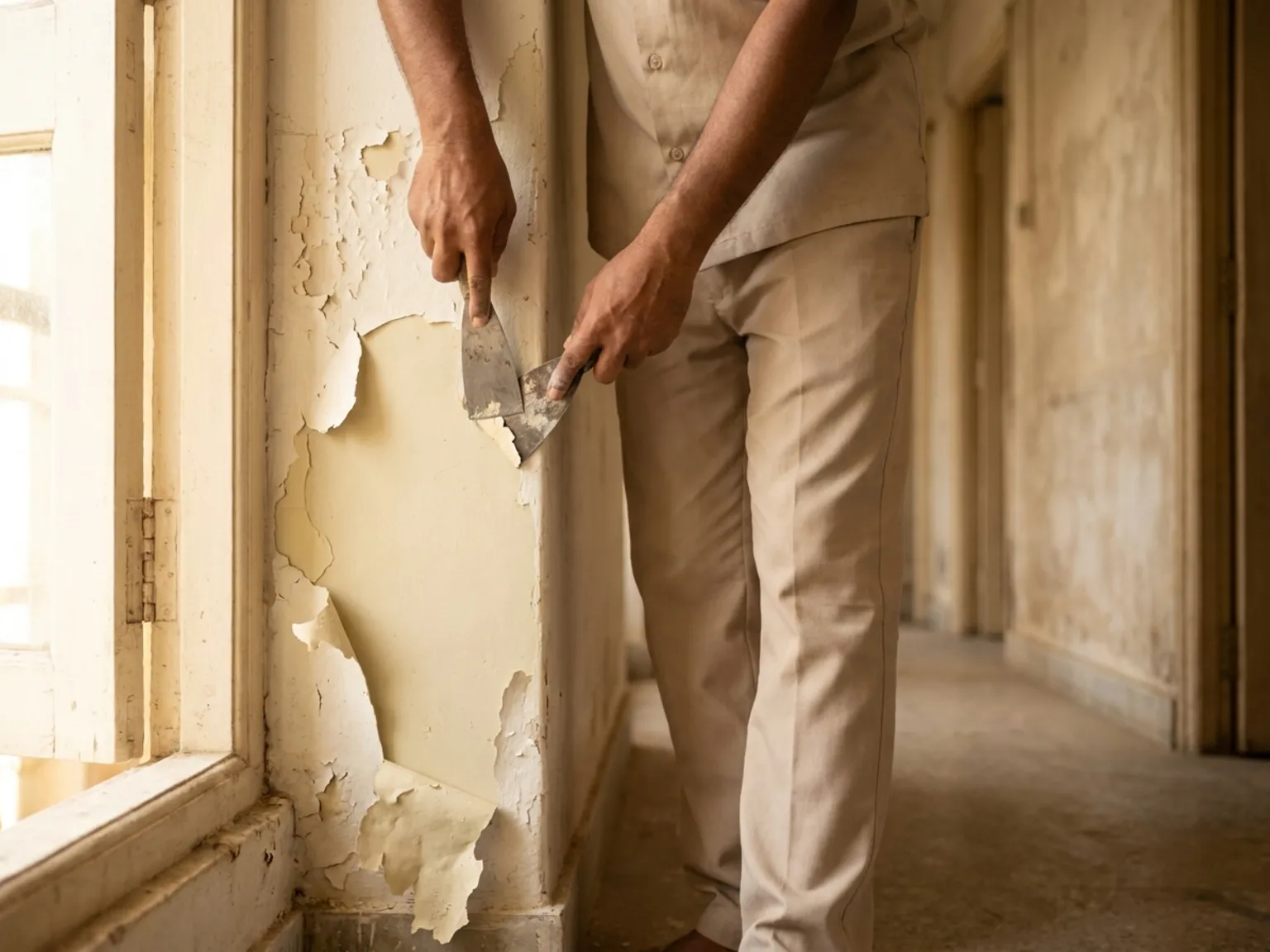
    No — lime paint bonds chemically with mineral substrates (lime plaster, gypsum, concrete) through carbonation. It will not bond reliably to an acrylic film. The existing emulsion must be removed mechanically (683 lime scraper helps for soft films) or by primer-stripping, the substrate exposed and consolidated, then 622 mineral primer applied before 665. Specifier notes are in each product TDS.

Next step

Get the right answer for your project — fast.