Solutions
Heritage & Haveli Restoration
Lime and clay for buildings older than this brand.
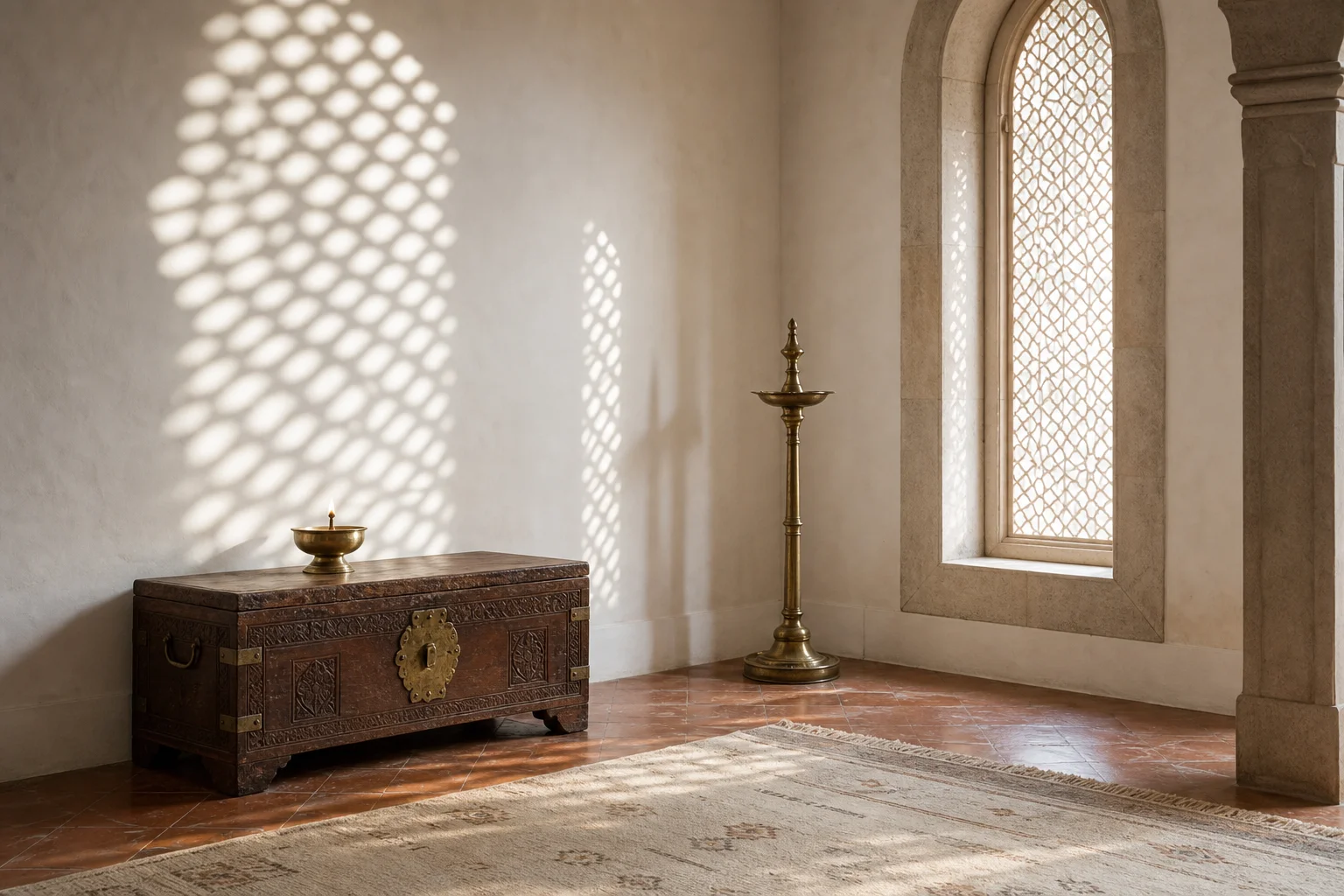
Who really feels this in India
- Conservation architects working on Rajasthan havelis, Kerala tharavads, and Goa-Portuguese houses — where the original wall chemistry was lime, never acrylic.
- Owners restoring inherited family homes in Pondicherry, Madurai, Lucknow, and Old Delhi — seeking finishes that match the substrate the house was built with.
- Hospitality projects with traditional shells — heritage hotels, boutique guesthouses, restaurant-conversions — needing wall systems that work with 19th-century stone, lime, and mud-brick.
How LEINOS answers this
The LEINOS product system for this pain
Lime Paint
A matured lime-putty mineral wall paint for interior heritage and modern surfaces — highly vapour-permeable; its high alkaline pH makes the surface antibacterial and well suited to mould prevention and remediation in damp rooms.
View productClay Paint
The decorative clay paint for premium interior walls — a solvent-free mineral matrix that stays water-vapour-permeable and supports the room’s humidity balance. Matt earth-tone register. Low VOC (1 g/l, EU Cat. a).
View productLime Universal Scraper
A fine, very white lime filler in powder form for interior mineral walls — fills holes and gaps and smooths whole surfaces. Moisture-regulating; its high alkaline pH (≈13) makes it mould-preventing and suited to mould remediation. Mixed with water and pulled on 1–3 mm with a trowel; can be left as an exposed decorative texture.
View productInterior Smoothing and Texturing Filler
Gypsum-based smoothing & texturing filler for interior walls and ceilings — fills cracks, holes, and board joints, skims surfaces flat, builds decorative texture, and spot-bonds plasterboard. Natural gypsum sets crack-free even in larger thicknesses. White, matt, tintable with LEINOS 668. Solvent-free, water-mixed.
View productAlso in this hub: Pigment Concentrate (668)
Lab evidence
Documented, not claimed.
Independent labs, named standards, batch-traceable certificates.
Specifier questions
What architects and homeowners ask first.
Will LEINOS 665 lime paint bond to a 200-year-old lime-plastered haveli wall?
Yes — lime bonds chemically with lime through carbonation. The new 665 coat and the original lime substrate become a single mineral matrix as both continue to carbonate over years. This is the same mechanism by which heritage walls were built up in successive limewash layers. Acrylic emulsions cannot do this; they only mechanically grip the surface and fail at the bond line.
Can I match traditional earth-tone palettes (haldi yellow, sindoor red, indigo) using LEINOS mineral pigments?
Yes — the 668 pigment concentrate range is built on iron oxides (red, yellow, mahogany), earth ochres, and spinel mineral pigments that cover the haldi-sindoor-ochre register. Sixteen of the twenty-two standard pigments are lime-fast and tint 665 lime paint directly; the ultramarine blues that stand in for indigo are not lime-fast — use them in 655 clay paint or 660 natural resin emulsion instead. Ask your dealer about matching a heritage sample chip against the shade index.
Do conservation architects accept LEINOS finishes for INTACH or ASI-grade restoration projects?
Lime chemistry is the conservation-grade choice. The 665 TDS and SDS name the binder (matured lime putty), fillers, and pigment composition in full — the manufacturer publishes its ingredient lists under the InVeNa full-declaration pledge, which is exactly the documentation trail conservation reviewers expect. Request the EU Safety Data Sheet and TDS through the dealer network before specification.