Hard Oil
Penetrating oil finish for absorbent interior surfaces
View product detailsWood Surfaces · Solutions
A sheesham wardrobe in a Mumbai bedroom, a teak dining table that hosts every meal, a Burma teak study desk for the work-from-home decade — interior furniture earns its life in daily contact with hands, glasses, plates, and the humidity swing between Indian summer (RH 30%) and monsoon (RH 85%). The finish documented for that life is the LEINOS interior oil set — Hard Oil 240, Hardwax Oil 290, Hard Oil Clear 241, and Hard Oil Universal 259 — picked by surface, not by aesthetic preference.
Find your application
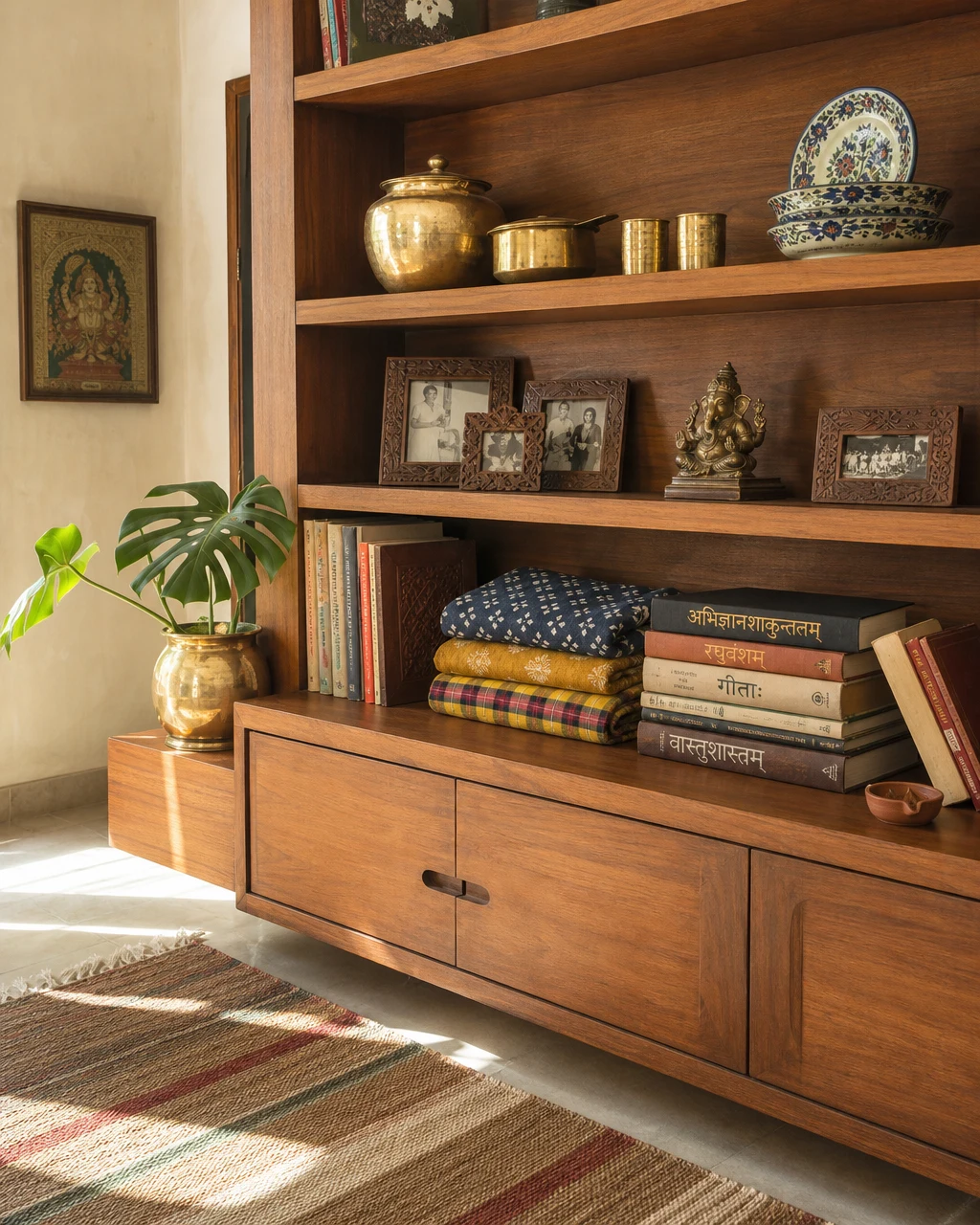
Storage furniture — Indian sheesham wardrobes, Burma teak bookshelves, freestanding cupboards. Low-touch most of the year, slow-cycle wear pattern (shelf-tops + door panels see the most action; side panels and interiors stay quiet). Hard Oil 240 (2 coats) is the default for warm Indian hardwoods; Hard Oil Clear 241 keeps the pale tone on ash, maple, birch, white-oak shelving. Sand P120–P150.
4 compatible productsPenetrating oil finish for absorbent interior surfaces
View product detailsHardwax oil for durable protection and finishing of interior wooden surfaces.
View product detailsNon-yellowing, durable primer and topcoat for unstressed interior wood surfaces, particularly in furniture manufacturing. Also suitable for cork and stoneware.
View product detailsVersatile universal primer and topcoat for all interior wood types. Enhances natural wood structure with silky matte, durable, water-repellent finish.
View product detailsSystem & Substrates
For food-contact tops use LEINOS 280 Countertop Oil; for floors use LEINOS 290 in floor-grade build.
The Coating System
Primer plus topcoat — the full chain.
Topcoat Options
Choose the finish character; the primer underneath stays the same.
Long-term Care
Extends the life of the finish over the years.
Step by Step
Empty the wardrobe or shelving fully. Vacuum out dust, fabric lint, and dead silverfish (a real Indian-home reality in untreated cupboards). Sand every visible surface — shelf tops and undersides, side panels, drawer fronts and interiors, door panels — with P120–P150 abrasive in the grain direction. If the piece carried polyurethane, melamine veneer, or old varnish, strip back to bare wood first; oil only bonds to absorbent wood fibre.
Vacuum thoroughly. Pay attention to dust caught in dovetail joints, drawer slides, and the back-panel groove. Wipe with a slightly damp lint-free cloth. Moisture content below 14% — confirm with a pin moisture meter on the underside of the bottom shelf.
For sheesham / teak / Burma teak / mango (warm Indian hardwoods): Hard Oil 240. For ash / maple / birch / white-oak (pale woods where yellowing would shift the tone): Hard Oil Clear 241. For shelf-tops that take heavy daily wear (study bookshelves, display shelves with daily object rearrangement): Hardwax Oil 290. For built-out modular shelving runs on tight install schedule: Hard Oil Universal 259 (sealing roller, no intermediate sanding).
Stir the chosen oil well. Apply a thin even coat with a brush or short-nap roller along the grain. Cover the top, all visible faces, drawer interiors (textiles will touch them), pull handles, and the underside of each shelf (drips and dust collect there). On shelf-tops, work the oil into end-grain at the edge of the shelf — that surface absorbs more.
After 20–30 min penetration, polish the entire surface dry with a clean cloth — no oil layer must remain. 240/241 dust-dry 8–12 h, recoatable 16–24 h. 290 dry to touch 6–12 h, recoatable after 12 h. 259 dust-dry 6–8 h. At 18–22°C / 50–55% RH; Indian summer dry-air conditions speed cure, monsoon RH slows it.
Apply a thinner second coat the same way. If micro-fuzz has raised after coat one (common on sheesham and mango), lightly de-nib with P320 abrasive between coats. Wipe excess after 20–30 min. For 259 specifically: apply 3 thin coats total via sealing roller at 6–8 h intervals (no intermediate sanding). Wardrobe ready for light use after 24 h.
System Composition
Why It Works
Pick the Right Build
Sheesham, teak, Burma teak, mango. Two coats Hard Oil 240 with brush. P120–P150 sand. Re-oil every 2–3 years on shelf-tops, every 5+ on side panels.
Hard Oil 240 — 2 coats
Where the pale tone must stay pale. Two coats Hard Oil Clear 241 with brush — non-yellowing safflower formula prevents the warm amber shift that linseed oils cause.
Hard Oil Clear 241 — 2 coats
Two coats Hardwax Oil 290 — micro-wax adds surface hardness against object-slide wear and dust-rag abrasion.
Hardwax Oil 290 — 2 coats
Three thin coats Hard Oil Universal 259 via sealing roller at 6–8 h intervals — no intermediate sanding. Lets the install run continuous over a 24-hour shift instead of waiting overnight between coats.
Hard Oil Universal 259 — 3 coats
What to Expect
What to Avoid
Scope & Limits
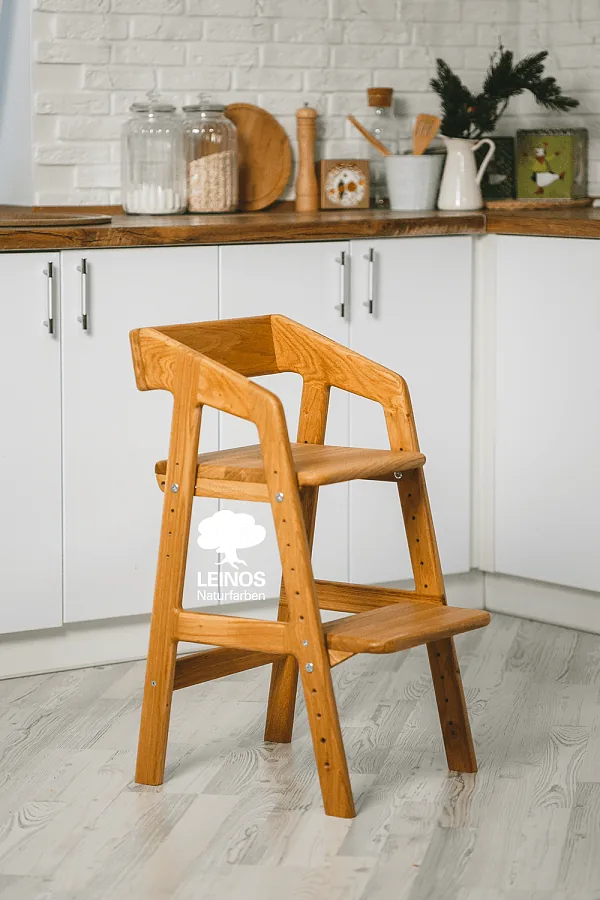
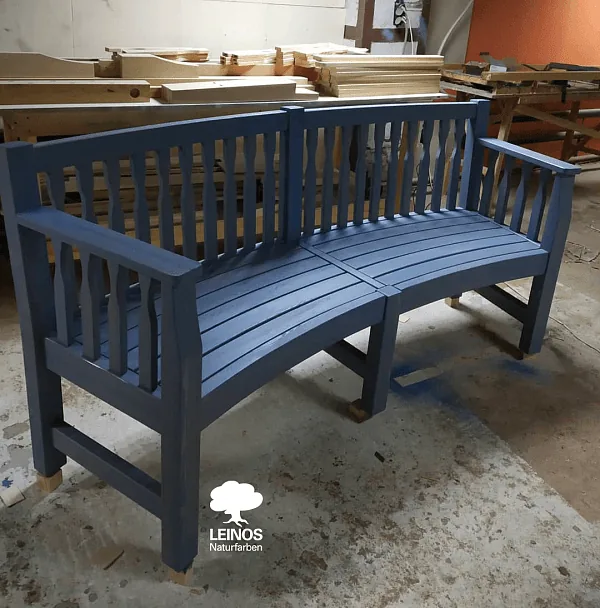
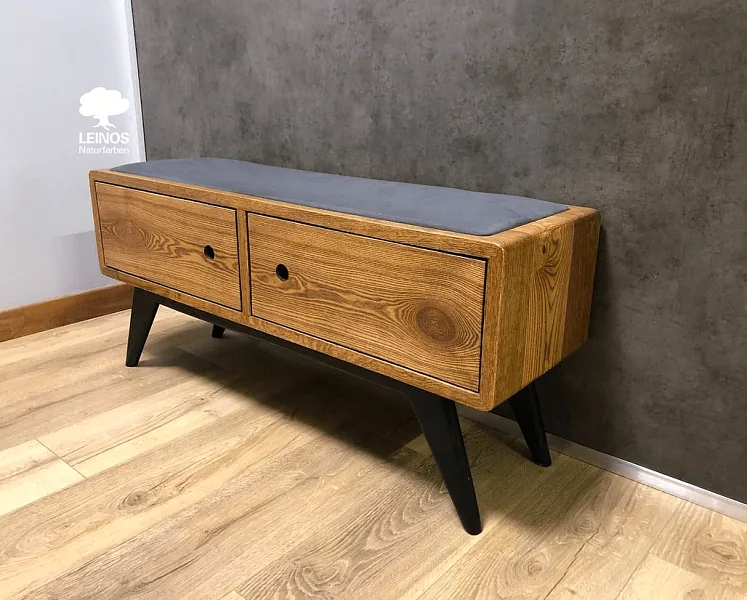
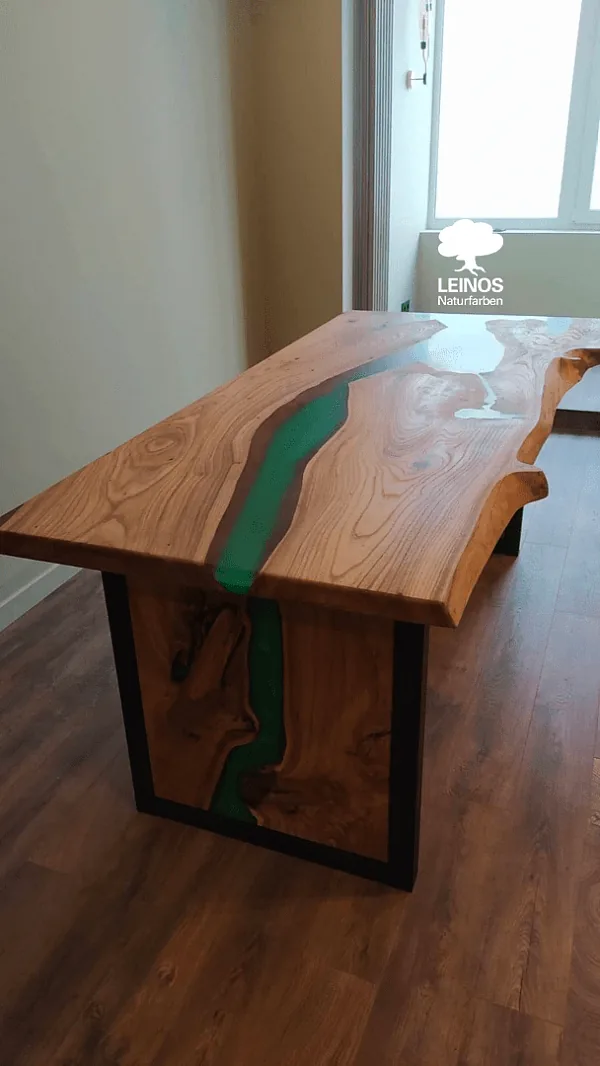
This solution applies to freestanding and built-in furniture, cabinets, shelving, wardrobes, dressers, dining tables, desks, side-tables, sideboards, and similar interior wooden objects where surface treatment is required.
In the wild
Common Questions
Next step
Move into the filtered catalogue, or jump back to surface choice if you're still scoping the project.
Adjacent applications
Need a Recommendation?
Four ways to reach our India team — pick the one that fits how you work.