Inside · Decorative Wall Finishes
A feature wall with depth no flat paint can fake.
Polished trowel finishes, breathable clay and lime renders, or a layered antique look — built up by hand on the wall and tinted to your colour. Here is the system we specify for interior decorative feature walls.
- Feature walls
- Living areas
- Trowel finishes
- Clay & lime
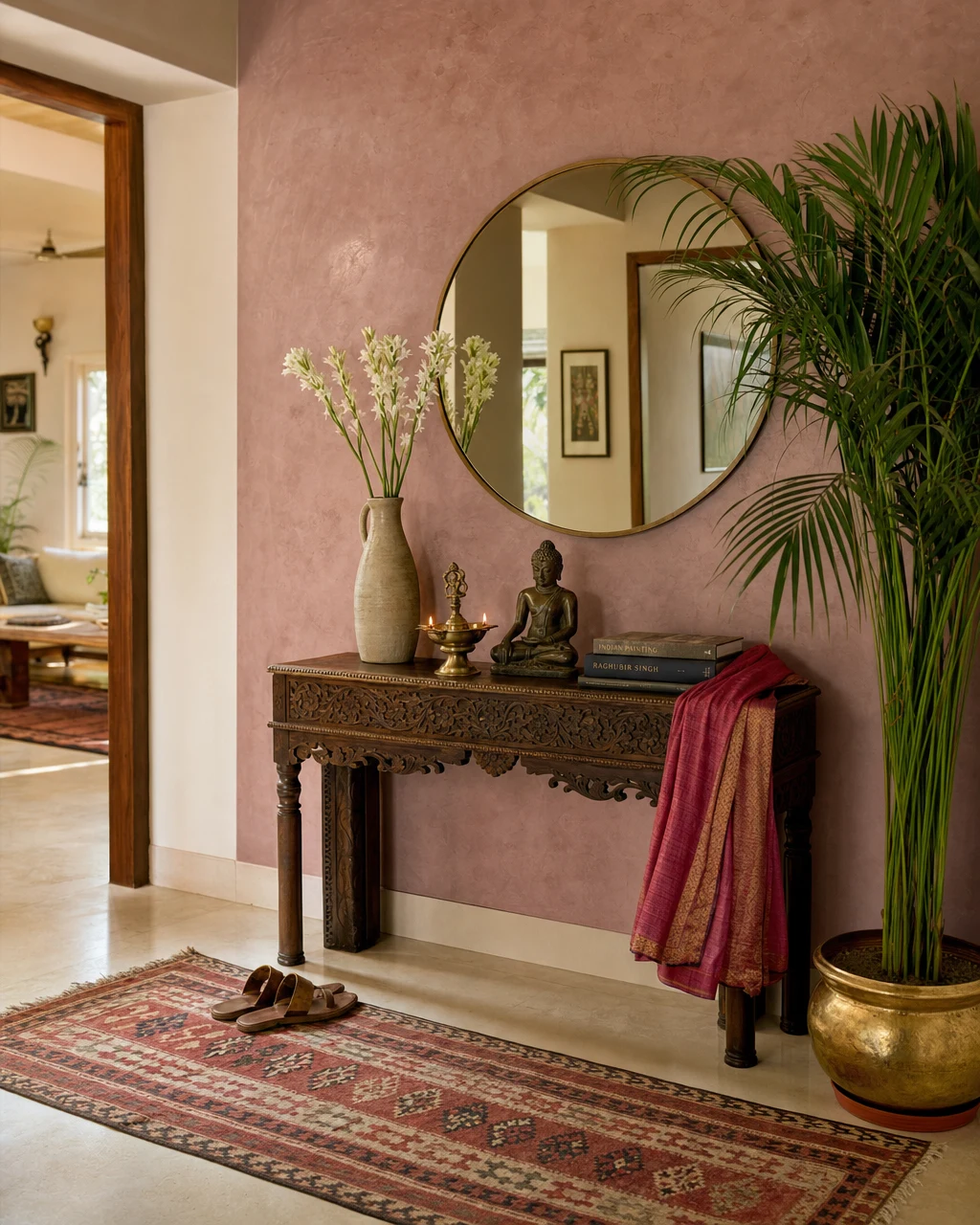
The recommended system.
Choose the look — a trowel finish, a clay or lime render — then prime it for its own chemistry and tint it with 668. A layered vintage route runs alongside.
For an interior decorative feature wall, this is the system we specify: pick the look, prime it for its chemistry, and tint it with Pigment Concentrate 668. The layered vintage route is a self-contained alternative.
Each look is its own finish and its own chemistry. Pick one — the prep, primer and tinting follow from it.
How are these looks coloured? Pigment Concentrate 668 is the high-strength tinting partner for every look here — a small addition colours the finish from within. It is an additive only, never a standalone coat. Pearlescent 668 is reserved for Glaze Binder 646 and must not go into 630 or 632; on lime (667) use only lime-fast pigments, up to 20%.
668Pigment ConcentrateThe primer is decided by the family you chose, not by preference — the two chemistries are not interchangeable. Match your look to its branch below.
Trowel & clay looks
Smooth the wall, then the dispersion-side primer.
Lime render
The mineral-side primer for the lime branch.
For the trowel finishes only: an optional protective wall wax. (Clay 655 and lime 667 have no named wall finish — they are left as they are; Wall Wax 350 is not used on lime or clay.)
A different intent: instead of a polished trowel or a flat render, build a cracked, multi-tone antique relief. The Vintage Wall technique is its own closed chain — including its own finish — so it does not use the primers, tinting routes or wax above.
LEINOS makes three different decorative chemistries — breathable trowel finishes, mineral clay and lime renders, and a layered Vintage technique — and we do not pretend one primer or one wax serves them all. The trowel looks prime on the dispersion side (620) and can take Wall Wax 350; the lime render primes on the mineral side (622) and the clay and lime finishes are left as they are, with no separate wall finish. Pick the look, and the build follows.
Why it’s demanding
What a decorative wall really asks for
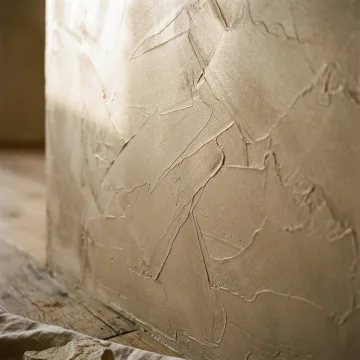
Depth, not colour
The look is layered on the wall — thin trowelled passes, textured render or a cracked relief. The material has to hold the technique, not just a tint.
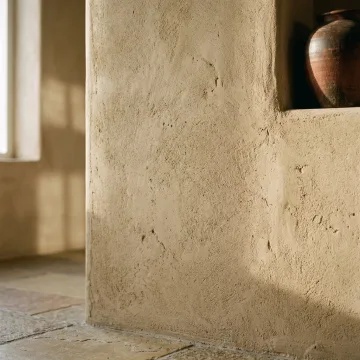
Walls that breathe
Trowel, clay and lime finishes stay vapour-permeable — the wall keeps releasing the moisture a humid climate drives into it instead of trapping it.
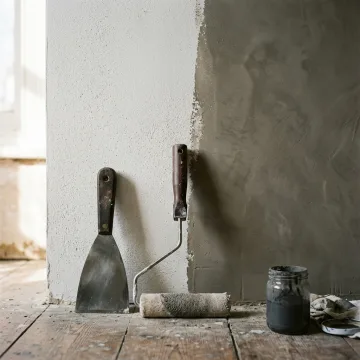
Chemistry that fits
Trowel and clay looks prime one way, lime renders another — the families do not mix. The wrong primer leaves the finish with nothing sound to grip.
Colour you build into the wall, not onto it.
Flat paint puts one tone on a flat surface. A decorative finish is built up in layers — trowelled, textured or cracked by hand and tinted from within with Pigment Concentrate 668 — so the wall holds depth and movement that a single coat of colour can never reach.
See it in real projects.
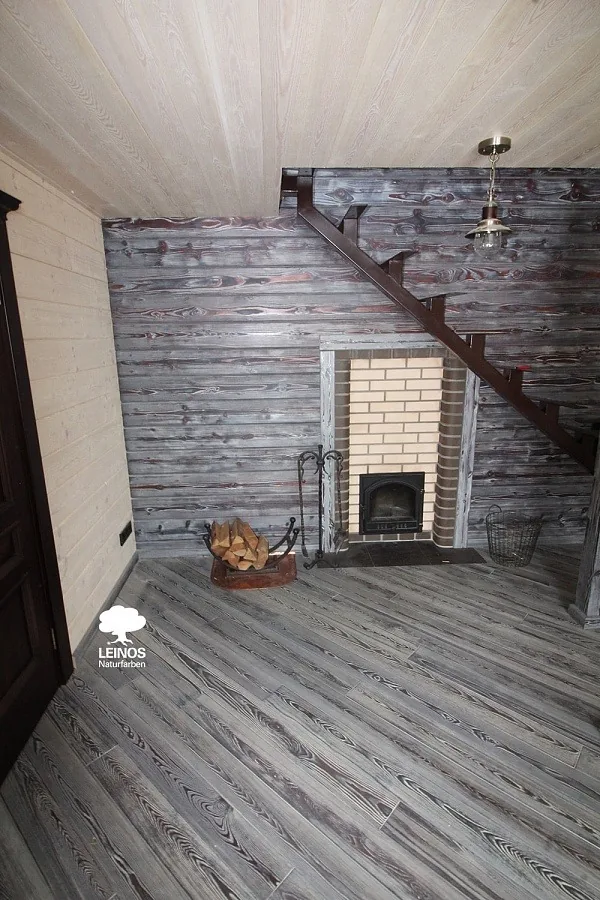
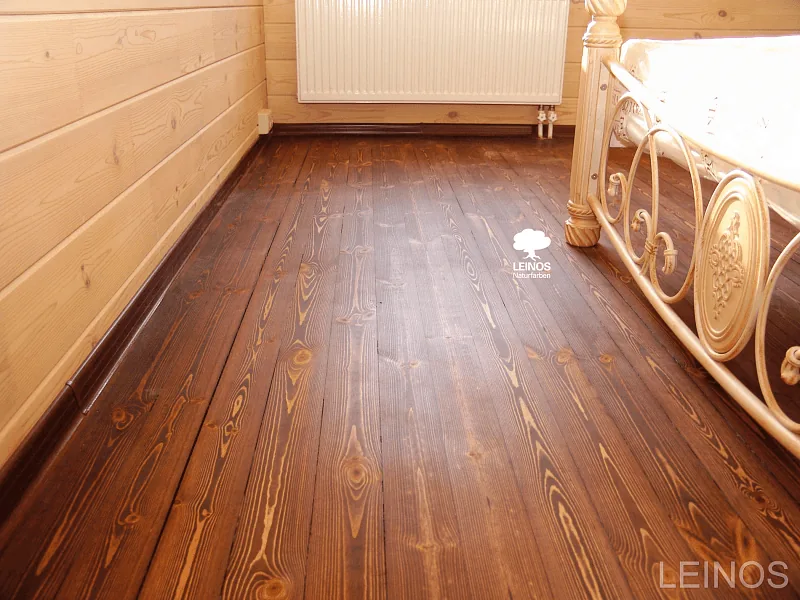
All projects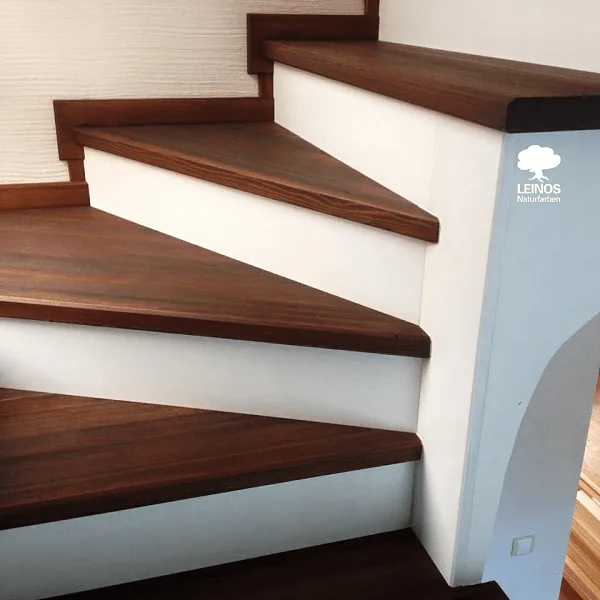

Got Questions?
Questions about decorative wall finishes
Quick answers on formulation, application and Indian-climate suitability. Pulled from our full FAQ and TDS library.
- It depends on the look and the room. Effect Spatula 632 gives a polished trowel finish with a metallic shimmer; Scumble Filler 630 gives a classic Venetian-style polished plaster; Clay Paint 655 is a soft matte, humidity-regulating clay surface; and Lime Brush Rendering 667 is a textured lime render that resists mould and suits humid rooms. The layered Vintage Wall look (660 → 631 → 635) is a separate antique technique.
- Yes, and it depends on the family. For the trowel finishes (630, 632) and Clay Paint 655, smooth the wall with Filler 684 if needed and prime absorbent walls with Deep Sealer 620, diluted 1:1. For Lime Brush Rendering 667, use the mineral-side primer, Mineral Plaster Primer 622. The two are not interchangeable — never use 620 under a lime render.
- All of them are tinted with Pigment Concentrate 668, a high-strength additive that colours the finish from within — it is never used on its own. For 630 and 632 the LEINOS technique uses about 10% 668 (pearlescent 668 is not suitable for these). On lime render 667, use only lime-fast pigments, up to 20%.
- The trowel finishes can take an optional coat of Wall Wax Finish 350 for extra dirt- and abrasion-resistance, applied sparingly above 15 °C. Clay Paint 655 and Lime Brush Rendering 667 have no named wall finish — they are left as they are, and 350 is not used on lime or clay. The Vintage Wall look is sealed and maintained with its own Vintage Finish 635.
Ready to design your wall?
Open a product to download its TDS, or talk to a LEINOS specialist about your wall, your substrate and the look you want before you order.
Written by the LEINOS India technical team, in collaboration with
Reincke Naturfarben R&D, Lower Saxony.
Last updated